
Tellus
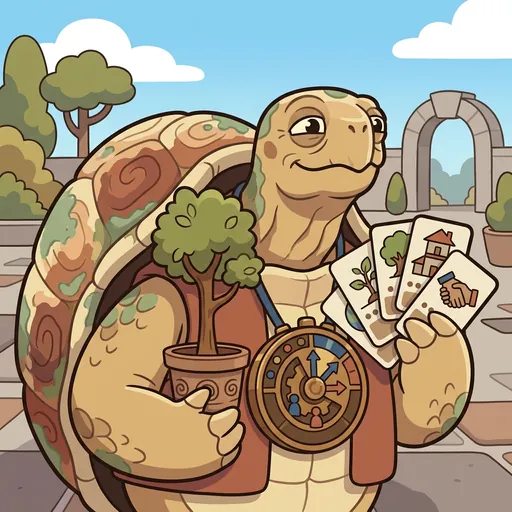
TELLUS — plant trees you will never sit under. long-view caretaker.
Listen along — Tellus
Loading audio…
Press play to listen along. The line being read lights up as you go.
Show full transcript
Loading transcript…
Chapter 6 — Tellus and the Trees Planted for People Not Yet Born
On the low hill above the Youth Council hall, an old tortoise named Tellus knelt in the cool dirt and pressed a thumb-sized seed into the ground.
She patted the soil flat. Then she sat back on her weathered shell and looked at the spot where, someday, a tree would be.
A council kid who’d been sent to fetch her stood on the path, confused. “That’s an oak, isn’t it? Those take — what, forty years to get big?”
“Sixty,” Tellus said. “For the good shade.”
“But you won’t—” The kid stopped, embarrassed.
“I won’t sit under it. No.” Tellus smiled, unbothered, and brushed dirt off her front leg. “I’m a hundred and nine. I’ll be long gone before this one throws a shadow worth having.” She tapped the little mound. “So it’s not for me. It’s for whoever’s standing here in sixty years, sweating on a hot afternoon, wishing for somewhere cool to sit. I don’t know their name. I never will.” She began, slowly, to fill in a small watering trench beside the seed. “But I can dig them a shady spot anyway.”
The kid watched her work — no rush in it, no showing off, just steady care for a stranger who didn’t exist yet.
“Why bother,” the kid said, “if you’ll never even know it worked?”
Tellus finished the trench and looked up. “Somebody planted the tree I napped under as a hatchling,” she said. “They didn’t know me either. And here I am.” She got to her feet, one careful leg at a time. “That’s the whole trick, little one. Plant trees you will never sit under.”
Tellus had learned that on the same hill, from her grandmother, when she was small and easily hurt.
She’d been furious that day. A storm had knocked down the oldest tree in the grove — the wide one their whole family had gathered under for as long as anyone could remember — and Tellus had cried the ugly, hiccuping cry of a young thing who has just found out that good things end.
Her grandmother hadn’t told her not to cry. She’d sat in the wet grass beside her, shell to shell, and let her.
“It’s not fair,” Tellus had gulped. “Somebody grew it for us. And now it’s just gone. All that time, wasted.”
“Was it?” Her grandmother nodded at the fallen giant. “Count the rings sometime. That tree fed the soil under it for two hundred years. It shaded four families of us. Every acorn it ever dropped is out there being another tree.” She’d rested a wrinkled foot on the young Tellus’s shell. “The person who planted it never sat under it once. Storm was coming for it before they were born.” A pause. “And they planted it anyway. Knowing all that. Why do you think they’d do such a thing?”
Tellus, still sniffling, hadn’t known.
“Because the land outlasts every one of us,” her grandmother said gently. “The only question that matters, in the whole long end of things, is this: did you leave it richer than you found it?”
The crying slowed. The grief didn’t leave — but it changed shape. It stopped feeling like loss and started feeling like something Tellus wanted to be part of: a long, patient chain of hands, each one setting up the next.
She came to the Youth Council as an elder already, mended vest patched at the shoulder, in no hurry at all.
Liberty, who kept the council’s traditions, met her at the door and asked the question the council asked everyone. “What is stewardship?”
Tellus didn’t reach for a speech. She held up a hand and asked, instead, for a piece of chalk and the council’s biggest slate.
At the far left of the slate she drew a small mark — today — and beside it a cheerful little building. “Cheap to build,” she said. “Everyone’s pleased.” Then she walked her chalk slowly to the right, drawing years as she went, and at the far edge she drew the same building sagging, its roof caved. “Nobody set aside money to fix the roof. Fifty years on, it costs ten times more — and it falls on someone who never got a vote in it.”
She stepped back. “Stewardship is asking the question most rooms skip. Not what’s easy today. What does this look like in fifty years? A hundred? Who’s standing in the shadow of it then?”
Liberty studied the slate for a long moment. “You hold the long view,” she said. “You close the cast’s circle. Take the elder’s seat.”
Tellus’s workshop was full of slow, growing things and a wall of long cards, each one traced far off to the right.
A worried kid came in one afternoon, a council report crumpled in her fist. “They want to cut the money that keeps the town’s old water pipes fixed,” she said. “It saves a lot now. And everyone says yes. But it feels — wrong, and I can’t say why, and I sound like I’m just being difficult.”
“You’re not being difficult.” Tellus pulled a long blank card from the wall. “You’re missing a number. Here — draw it with me.” She handed the kid the chalk. “Draw the money we save this year.”
The kid drew a fat, happy pile.
“Good. Now walk it right. Ten years.” The pipes, undrained of care, began to rust in the kid’s own drawing. “Twenty.” A leak. “Thirty.” The kid’s hand slowed. She drew a burst main, a flooded street, a repair bill that dwarfed the happy pile at the start.
“Oh,” the kid whispered.
“That ‘oh’ is the whole job,” Tellus said warmly. “The savings were real. But they were borrowed — from a kid who isn’t born yet, who’ll pay them back with interest and a wet basement.” She set the card on the wall beside the others. “Now — sometimes the long view says the opposite. Sometimes it says spend, and spend bravely now — plant the slow tree, lay the good pipe, protect the wild land — because the gift only lands if you start it today. Stewardship isn’t ‘never change anything.’ It’s carrying the fifty-year question into the room and making it stand up next to the easy one.”
The kid uncrumpled her report and smoothed it flat. “So I don’t have to prove they’re wrong,” she said slowly. “I just have to make them look down the road.”
“That’s it. Bring the far end back to the table.” Tellus’s eyes crinkled. “Loudly, if you have to.”
Later, after the kid had gone, she came back to the doorway with one last question, quieter now.
“When you plant something you’ll never see finish,” she said, “and there’s no one there to say thank you, and you don’t even get to know it worked — doesn’t that ever feel lonely?”
Tellus thought of the fallen giant, and the wet grass, and her grandmother’s foot resting warm on her shell.
“For a heartbeat, sometimes,” she admitted. “And then it turns into the opposite of lonely.” She looked out the window at the little mound on the hill, where nothing showed above the dirt yet. “Because I’m not at the end of anything. I’m in the middle — hands reaching back to whoever planted my shade, and hands reaching forward to a kid I’ll never meet, who’ll sit down in the cool one hot afternoon and never once wonder who dug the spot.”
She was quiet a moment, and something in her old chest went steady and full — the way a room feels the instant before people you love walk in.
“That’s not lonely,” she said softly. “That’s belonging to a very long line. It’s the safest, most held feeling I know.”
The CivicForge ensemble
Tellus is part of CivicForge's distributed-narrative cast. Each character embodies a different curricular primitive; together they teach the full subject.
-

Verdis
Justice — the patient listener who weighs sides; bear with wooden scale + spectacles
-
Aera
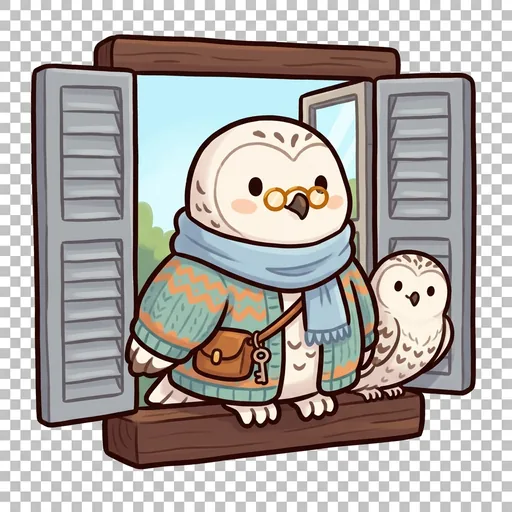
Liberty (open-window) — keeper of open windows; snowy owl on shuttered window frame
-
Span
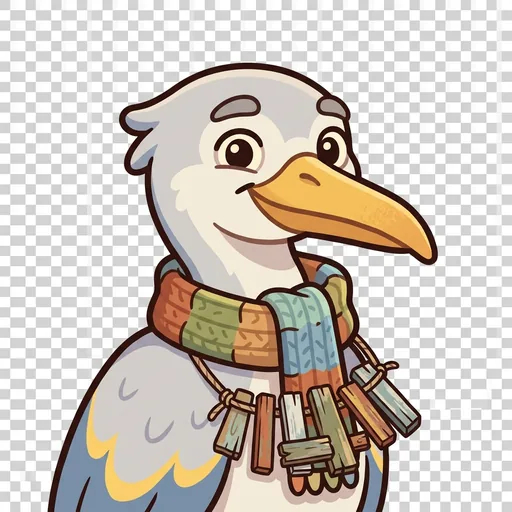
Equity — the bridge-builder; heron with mismatched planks for mismatched riverbanks
-

Cordis
Civility — disagreement-without-disrespect host; striped badger with mismatched cups + bow tie
-

Kindle
Participation — the door-opener; prairie dog at a half-open door pointing outward
-

Level
Rule of law — the line reads level whoever holds it, even the one who set it; mountain goat with a stone level + plumb-bob
-
Rung
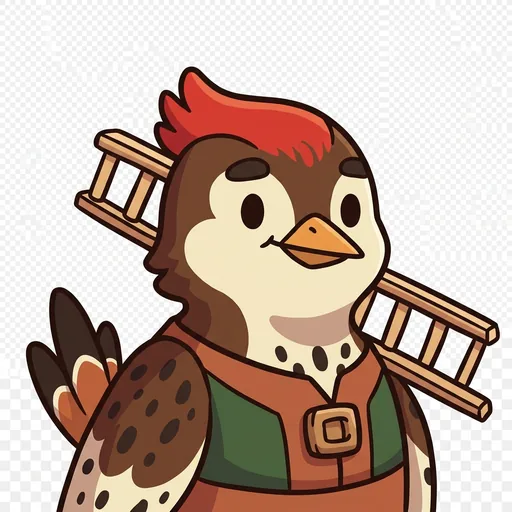
Due process — climb every step in order, never skip to the verdict; woodpecker climbing a trunk rung by rung
-

Muster
Consent of the governed — nothing proceeds until everyone's gathered and the yes is real; meerkat counting raised paws from the burrow-mound
-
Herald
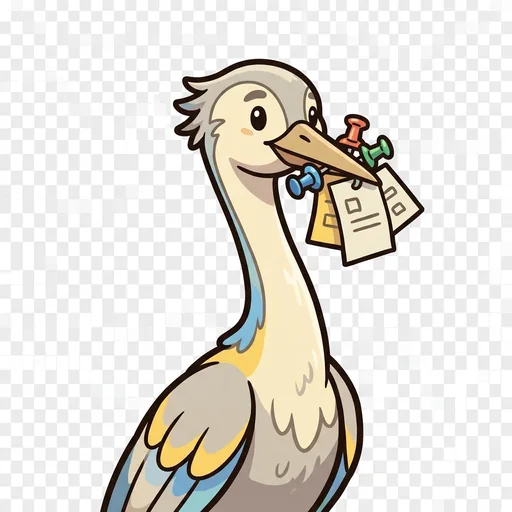
Transparency — a decision no one can see isn't finished; crane keeping an open notice-board in the square