Crave
DEMAND — *consumer preferences; needs vs wants; price-sensitivity.*
Listen along — Crave
Loading audio…
Press play to listen along. The line being read lights up as you go.
Show full transcript
Loading transcript…
Chapter 2 — Crave and the Needs-vs-Wants Conversation
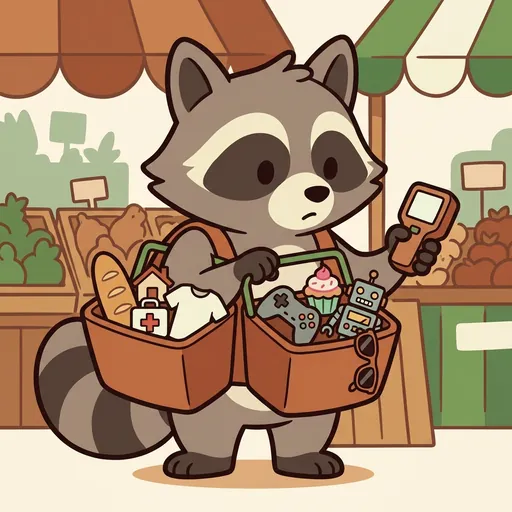
Crave was a raccoon. Not a full-grown one, more like a tween. He wore a vest. It looked like a chunky cartoon shopping basket. Two big pockets were sewn on the front. One pocket said “NEEDS.” The other pocket said “WANTS.” Crave always carried a tiny price-tag checker. It beeped softly when he pressed the button.
Crave was small. His fur was warm grey. A creamy mask covered his eyes. He was super curious about buying things. He loved to ask about choices people made. He always said, “Needs vs. wants – they’re different conversations.” His vest was his favorite thing. It had those two special pockets. The “NEEDS” pocket held things like food, a warm blanket, or medicine. The “WANTS” pocket was for fun stuff. Maybe a new toy or a special treat. Crave used his vest to show everyone the difference. He made it seem normal to talk about them separately.
This part was super important. Crave taught about demand. Demand is what people want to buy. It’s the buyer’s side of the market. Crave also taught about needs and wants. Many new students mixed them up. They thought needs and wants were the same. But they were very different.
Needs are things you must have. You need them to live and feel safe. Think food, water, a place to sleep. Basic clothes and medicine are needs too. Wants are things you like. They are not things you must have. A cool new toy is a want. Fancy clothes are wants. A super-duper version of something you already own is a want.
Shops see both as “demand.” But Crave knew the rules were different. Selling food for too much money can hurt people. Selling a fancy toy for a lot of money is different. Crave’s whole job was to make this clear. He showed how demand worked for a whole town. Not just for one person buying a candy bar.
Crave was always clear. “People’s choices make up demand,” he would say. “Needs vs. wants – they’re different conversations. When I buy bread, that’s a need. When I buy fancy fruit-shaped erasers, that’s a want. Both are demand. But the rules for them are different.”
Crave taught the important parts of demand:
- Consumers: A consumer is anyone who buys something. Or anyone who uses something. That includes you!
- Demand Curve: This is a special line. When prices go up, people buy less. When prices go down, people buy more. It’s like a seesaw. One side goes up, the other goes down.
- Price-Sensitivity: Some things are very price-sensitive. A small price change means many more or less buyers. Other things are not sensitive. Their price can change. But people still buy them. Needs are usually not sensitive. Wants are very sensitive.
- Needs vs. Wants: This is the big one. Needs are things you must have. Wants are things you just prefer. The rules for pricing them are different.
- Don’t Buy Everything: You don’t have to buy every want. Knowing what’s really worth buying is a skill. Marketers want you to think wants are needs. Crave taught how to resist that trick.
- Money Matters: What you can afford depends on your money. A fancy toy might be a want for a rich person. It could be a dream for someone with less money. Don’t judge what people buy. You don’t know their budget.
- Town Market: Buying food from local farmers is one thing. Streaming movies or buying online is another. Different places, different rules.
Crave grew up in the foraging village. It was a busy place in MarketQuest. His family had always been gatherer-discerners. They were special raccoons. They sorted all the wild berries and nuts. They taught everyone for generations. “Some things are essential,” they would say. “Some things are just for convenience. Honor both. But always know the difference.” They learned this lesson over many, many years. “A clear-minded gatherer knows the difference,” was their family motto. Crave carried that lesson forward.
He walked to MarketQuest when he was twelve. It was a long journey. Stake was his mentor. Stake was very wise. He asked Crave, “What is demand?” Crave stood up tall. “Consumer choices make up demand,” he said. “Needs vs. wants – they’re different conversations. Both are part of the market. But the rules for them are different.” Stake smiled. “You are appointed,” he said. Crave felt a thrill. He had a job to do.
Crave’s workshop was cozy. It smelled faintly of old paper and fresh berries. Sunlight streamed through a high window. Dust motes danced in the air. He stood in front of a small group of students. They leaned forward, eager to learn. A young badger named Pip chewed on his pencil. A squirrel named Squeak bounced on her toes.
“Watch closely,” Crave said. He tapped his chunky vest. The “NEEDS” pocket jiggled a little. First, he opened that pocket. He pulled out a small, plain loaf of bread. It looked warm and crusty. Then a tiny bottle of water. It sparkled in the light. A bar of simple, white soap came next. It smelled clean and fresh. He showed a folded, grey blanket. It looked soft and worn. Last, he held up a pair of sturdy, brown shoes. They looked like they could walk for miles.
“These are needs,” Crave explained. His voice was serious. “Everyone needs bread and water to live. Everyone needs soap to be clean. A blanket keeps you warm. Shoes protect your feet. If these things cost too much, people get hurt. They can’t survive.” He carefully placed them back into the ‘NEEDS’ pocket. Pip nodded slowly. Squeak stopped bouncing.
Then, Crave opened the ‘WANTS’ pocket. This time, he pulled out a bar of soap. It had a tiny, fancy stamp on it. It smelled like a whole flower garden. Squeak gasped softly. Next, he showed a pair of bright, sparkly shoes. They were neon green with purple laces. A blanket followed. This one was covered in glitter and had little bells. It looked like it belonged in a parade. Finally, he pulled out a small bag of premium pet treats. They looked like tiny, frosted cakes.
“These are wants,” Crave said. He smiled a little. “They are nice to have. They make life more fun. But you don’t need them to survive. You won’t get hurt if you don’t have them. The rules for how much these cost are different. It’s okay for them to be expensive.” He put them back too.
“I am Crave,” he announced. His voice was clear and strong. “The big idea I teach is demand. My job is to show you one important thing. Separate your needs from your wants. Both are good. Both are part of life. But remember, the rules for pricing them are not the same.”
He was gentle and clear. “Don’t be embarrassed to want things you don’t need. Wanting is human. It’s part of being alive. But be honest with yourself. Which is which? ‘I want a new video game’ is different from ‘I need food.’ Both are true sentences. They are just different kinds of sentences.”
“Needs vs. wants,” Crave finished. He held up a paw. “Different conversations. Honor both. But always, always distinguish them.”
The MarketQuest ensemble
Crave is part of MarketQuest's distributed-narrative cast. Each character embodies a different curricular primitive; together they teach the full subject.
-
Stock
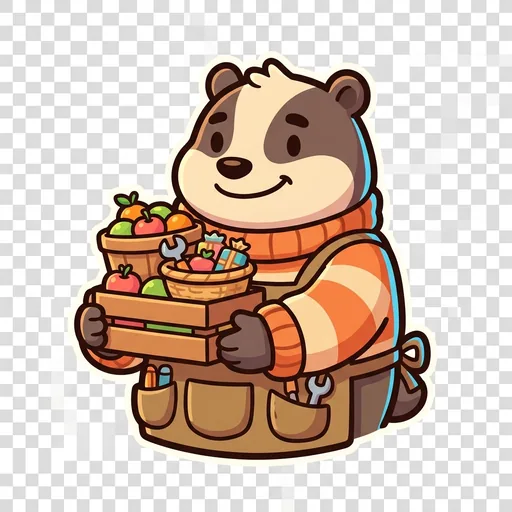
Supply — producer decisions, scarcity, what gets brought to market
-

Even
Price equilibrium — where supply meets demand, the conversation point
-
Hand
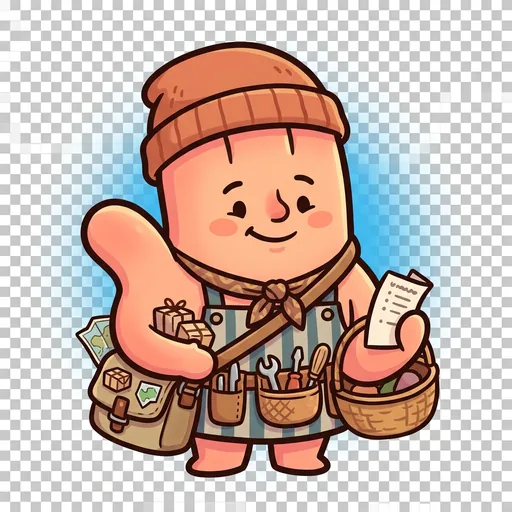
Market roles — producer + consumer + distributor, visible labor
-
Tide
Market events — shocks + policy + trade flows read as patterns
-
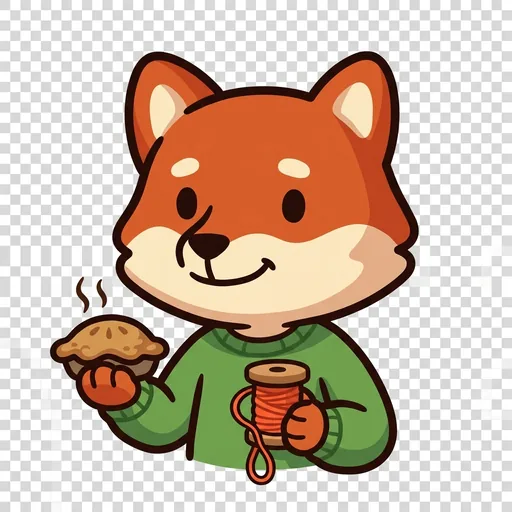
Forgo
Opportunity cost — every choice has a hidden price tag: the next-best thing you didn't pick; fox weighing two everyday choices
-
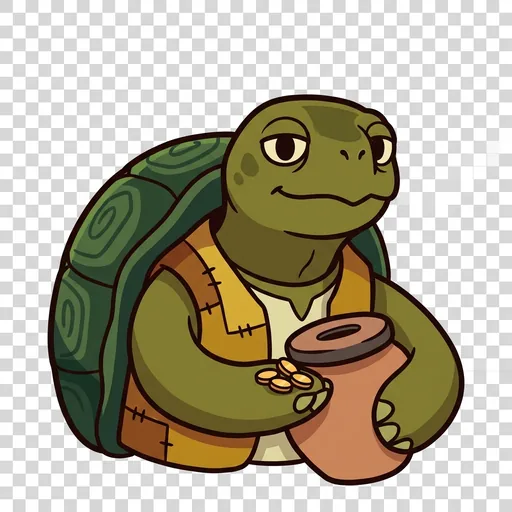
Seed
Saving + interest — set a little aside on purpose; patience grows a small store into a larger one; tortoise with a clay saving-jar
-
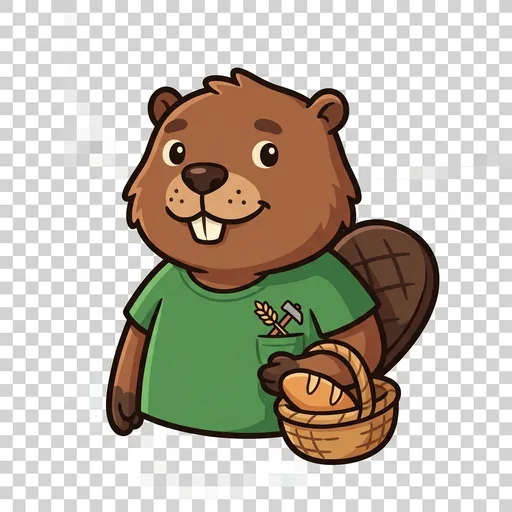
Knack
Specialization + trade — do the thing you do best, trade for the rest, and both sides end up with more; beaver brokering bread-for-baskets
-
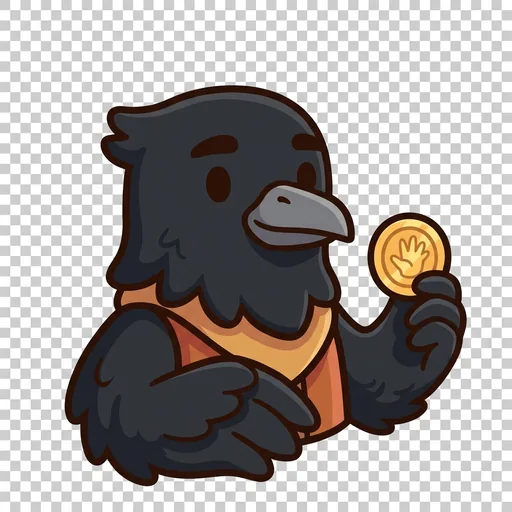
Coin
Money as a medium of exchange — a trusted token that lets any trade happen without a perfect match; crow unsticking a barter jam
-
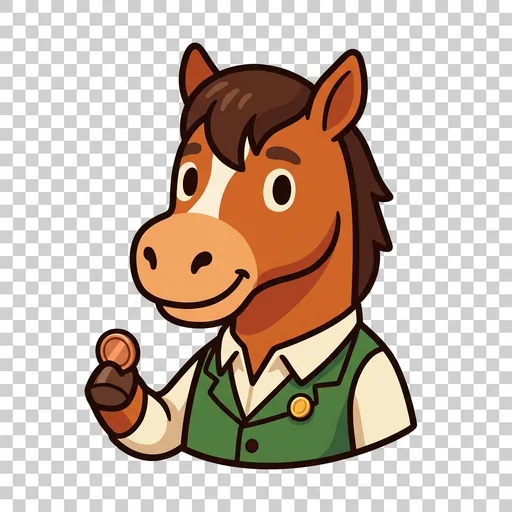
Spur
Incentives — people move toward rewards and away from costs; change the nudge, change the choice; horse aiming small fair nudges