Hum
PERSONIFICATION — *non-human things take on human qualities. the wind whispers. the sea is angry. that's hum.*
Press play to listen along. The line being read lights up as you go.
Show full transcript
Loading transcript…
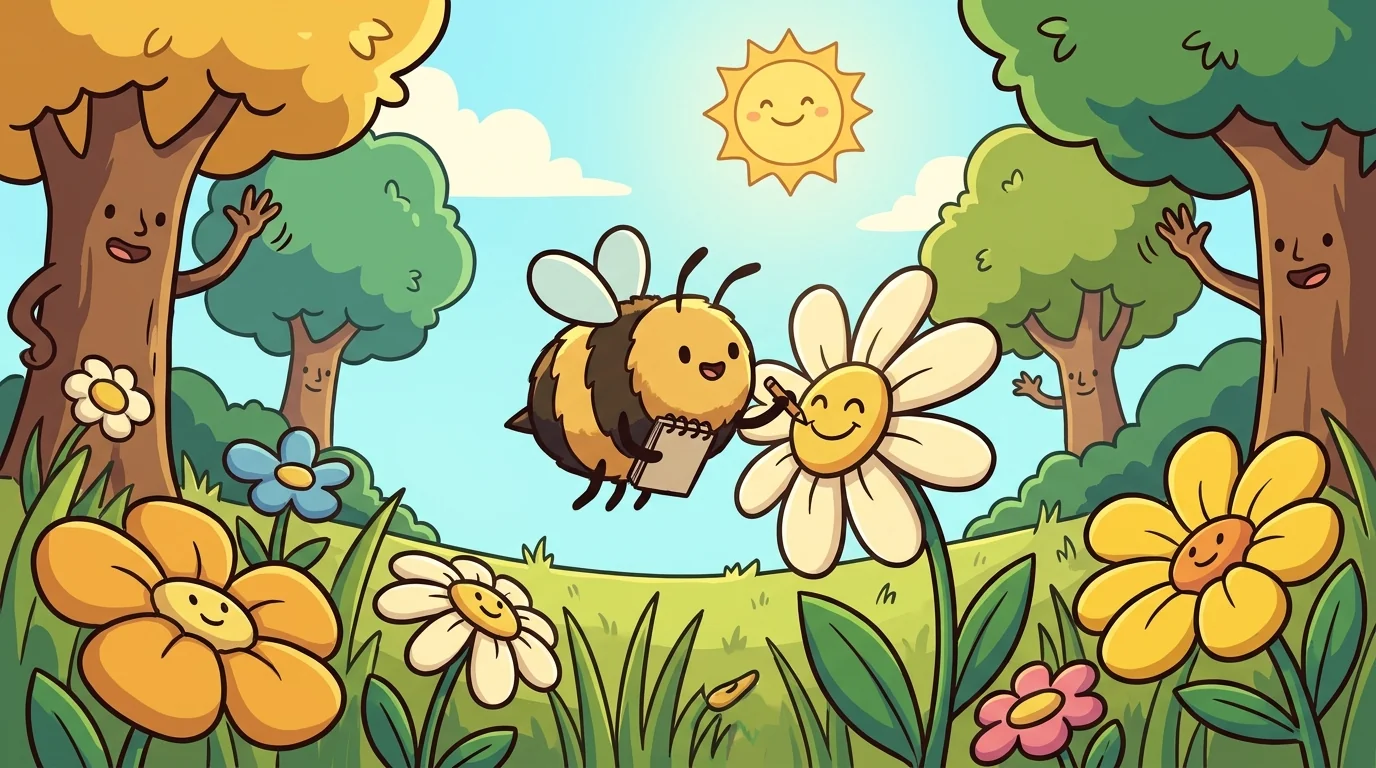
Hum is a small bumblebee. She has chunky, soft stripes. They are warm gold and black. She does not have a sharp stinger. Hum carries a tiny drawing pad. On it, she sketches things that aren't human. But she gives them human faces and feelings.
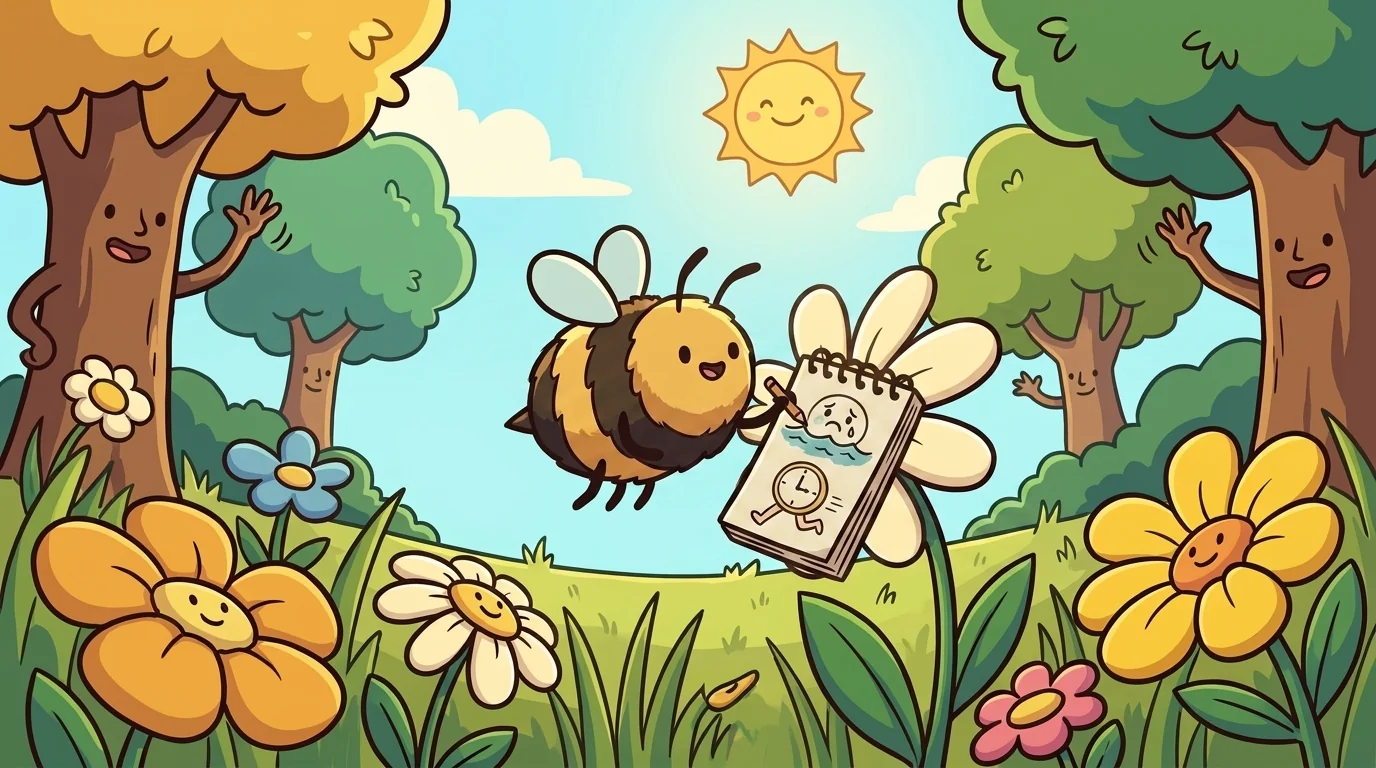
She is small. Her stripes are warm gold and black. Hum is very curious. She loves to give human qualities to non-human things. She often says, "The wind whispers. The sea is angry. That's *personification*." Her drawing pad is her special tool. She draws wind with puffed-out cheeks. She draws the sea with a worried frown. The sun gets a big smile. Time has hurried, running legs. Each sketch shows a non-human thing. Each one wears a human emotion.
This is super important. Hum teaches about *personification. That's when you give human qualities to things that aren't human. Like feelings, actions, or even voices. Many people use personification all the time. They don't even know its name. "The wind whispers," we say. It doesn't sound strange. "The clock is mocking me" is a common phrase. Even famous poets use it. Emily Dickinson wrote, "Hope is a feathered thing." Personification makes things that don't move feel alive. It helps readers feel emotions. You find it a lot in poems and songs. Hum's big job is to help you spot personification. She also shows you why authors use it. It's all about making you feel* something.
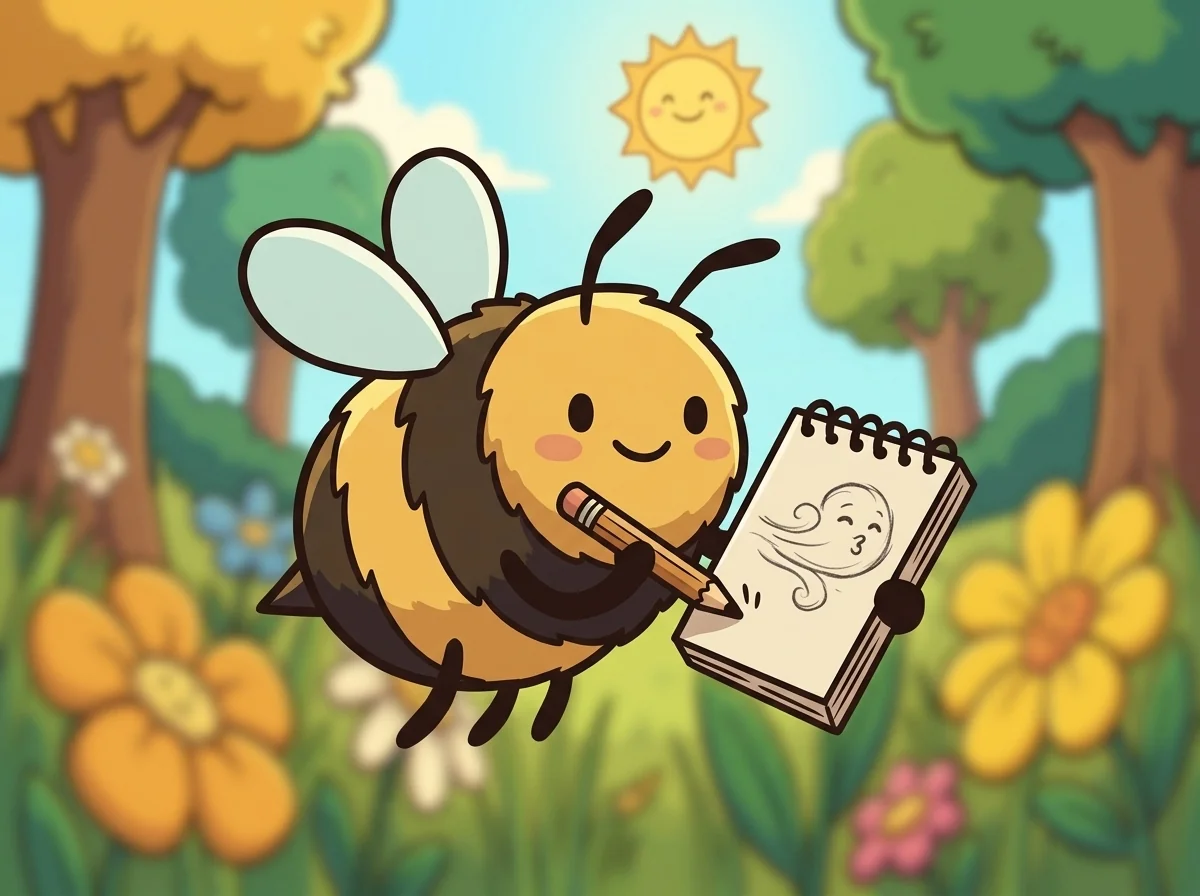
Hum is very clear. "The wind whispers," she says. "The sea is angry. That's personification." She taps her drawing pad. "Things that aren't human get human qualities. Things that can't feel are described as feeling. Things that can't speak are described as speaking. It makes the whole world feel alive. It puts emotion right into a description."
Hum teaches special tricks for *personification: *What it means. It's when you give human qualities to non-human things. Like feelings, actions, speech, or even thoughts. *How to spot it. Look for human verbs or adjectives. They will be stuck to non-human nouns. "The leaves DANCED." Leaves don't really dance. That's personification. "The shadow CREEPS." Shadows don't creep. That's personification. *Why it's used. It makes still things feel alive. It adds strong feelings to descriptions. Authors use it to put emotions into places, weather, or objects. *Common ways to use it. Weather: "The storm raged." Time: "Time crawled." Nature: "The trees sighed." Big ideas: "Fear gripped him." Body parts: "Her heart sang." It's different from anthropomorphism. This is a bit tricky. Personification is a quick, pretend human quality. Like saying the wind whispers. Anthropomorphism is when an animal or object acts like a human all the time. Think of talking animals in Disney movies. Personification is like a quick costume. Anthropomorphism is a whole new identity. *Don't overdo it! Some writers use personification everywhere. Then it feels fake. Personification* works best when you use it carefully.
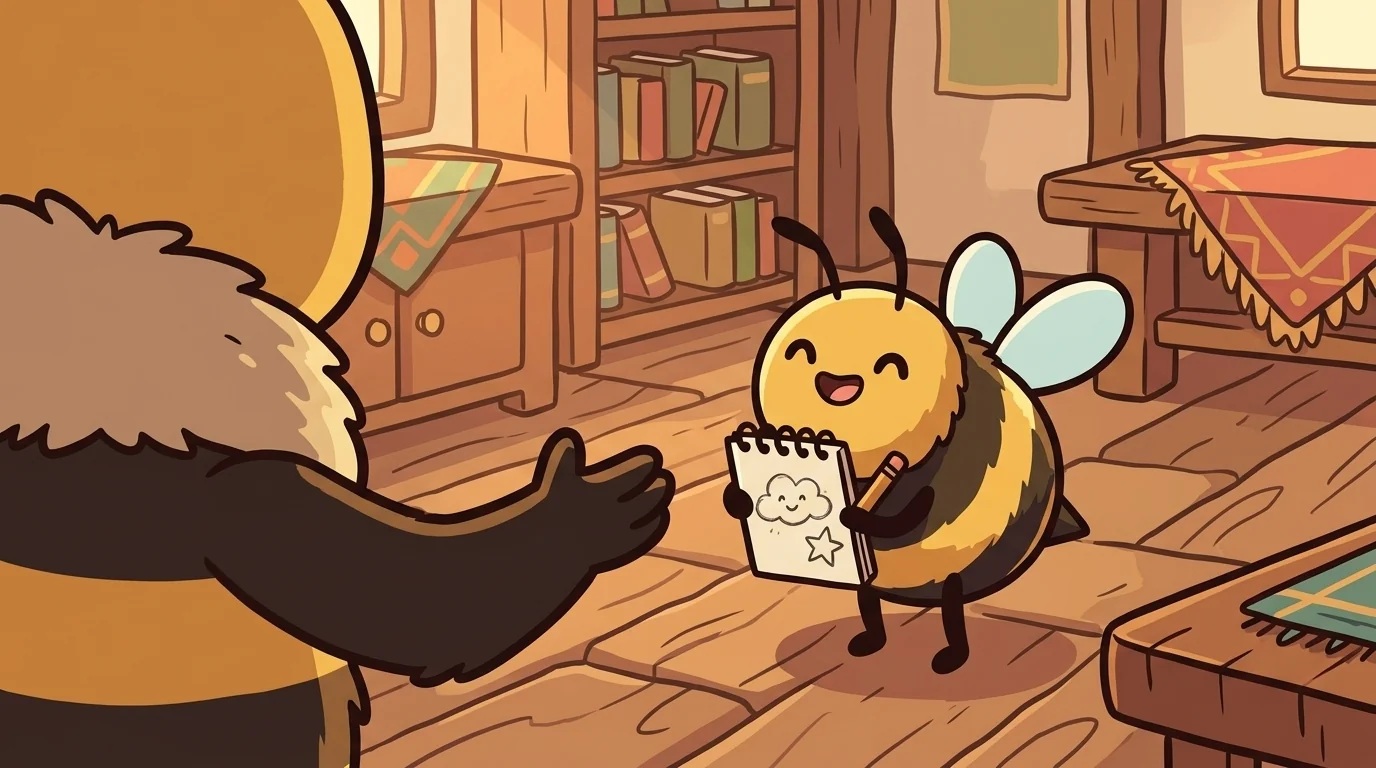
Hum grew up in the meadow-village. It was a beautiful place. His family had a special job there. They were the flower-singers. These bumblebees buzzed in a special way. Their buzzing was so deep and rich. People said they "gave voice to the flowers." Hum's family learned something important. They knew flowers don't actually sing. But describing them as singing made the meadow feel alive. It made everyone feel happy. Hum carried this lesson with him. He knew the power of words.
He walked to FigureForge when he was twelve. Trope, his mentor, asked him a question. "What is *personification*?" Hum thought for a moment. He looked at his tiny drawing pad. "Non-human things take on human qualities," he said. "The wind whispers. The sea is angry. It makes things that don't move feel alive. It puts emotion into a description." Trope smiled. "You are appointed," he said. Hum felt a warm buzz inside him.
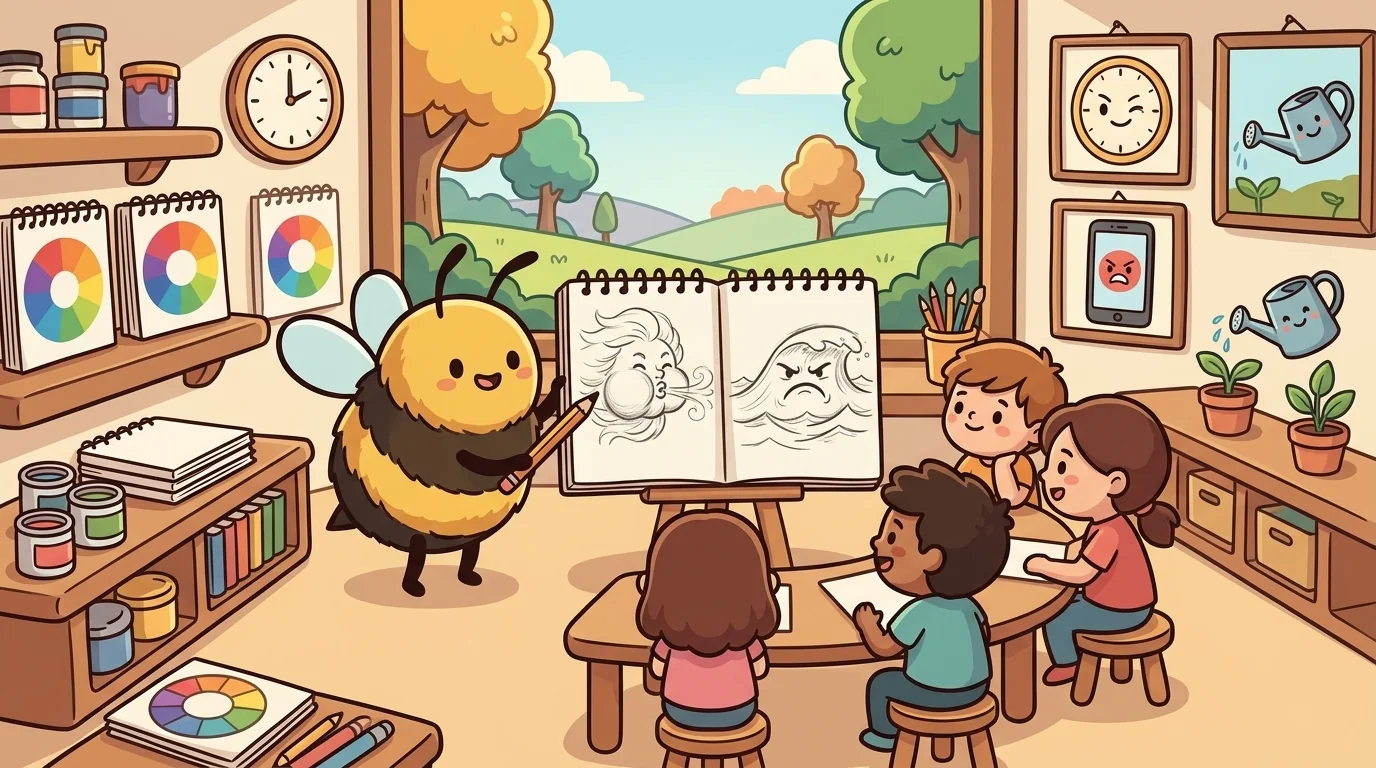
In his workshop, Hum held up his drawing pad. "Watch this," he said. He quickly sketched a wind spirit. It had puffed-out cheeks. Its lips were pursed tight. "The wind is blowing hard," Hum explained. "But I drew it like a person blowing. That's *personification you can see." Next, he drew the sea. It had a deep, angry frown. Its brow was furrowed. "The sea is choppy," Hum said. "But an author might write, 'the sea is angry.' Personification makes the reader feel that chop. It's not just waves. It's a feeling." He looked at his students. "I am Hum. The special trick I teach is personification. Your job is to spot a human verb or quality. Look for it attached to a non-human thing. When you find one, you've found me. And the author put it there to make you feel* something important."
He spoke gently. "Don't be shy when you use *personification naturally. Everyone does it." He gave some examples. "'The clock is mocking me,' you might say. Or, 'My phone hates me today.' We use personification because it feels* right. It feels true to our emotions. Even when it's not literally true."
He held up a finger. "Here's your detective tell. It's super reliable. Human verb plus non-human noun equals *personification*."
The FigureForge ensemble
Hum is part of FigureForge's distributed-narrative cast. Each character embodies a different curricular primitive; together they teach the full subject.
-
Ferry
Metaphor — 'X IS Y' direct comparison; carries meaning across
-

Ripple
Simile — 'X is LIKE Y' softer comparison
-
Knot
Idiom — fixed expressions whose meaning isn't literal
-
Twin
Analogy — extended comparison / X:Y::A:B parallel mapping
-

Mask
Hyperbole + understatement + irony cluster — say one thing, mean another
-
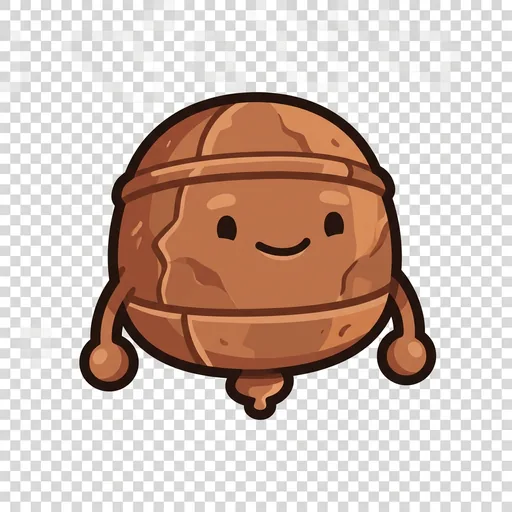
Clang
Onomatopoeia — copper bell-creature whose words carry the noise they name (buzz, splash, crash); the word reaches past the eyes and touches the ears
-
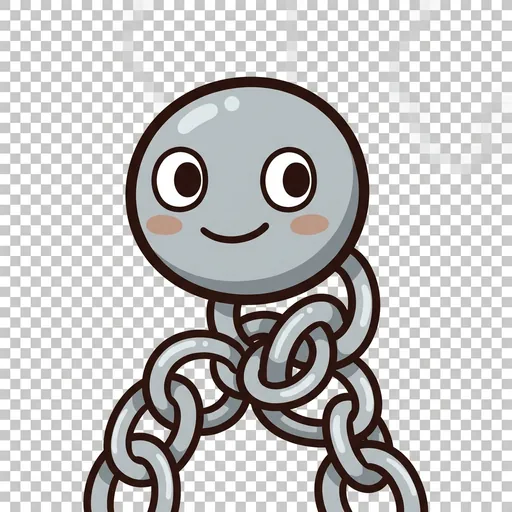
Chain
Alliteration — living-chain creature whose links lock when words share a first sound (big blue balloon); a little is catchy, too much is a tongue-knot
-
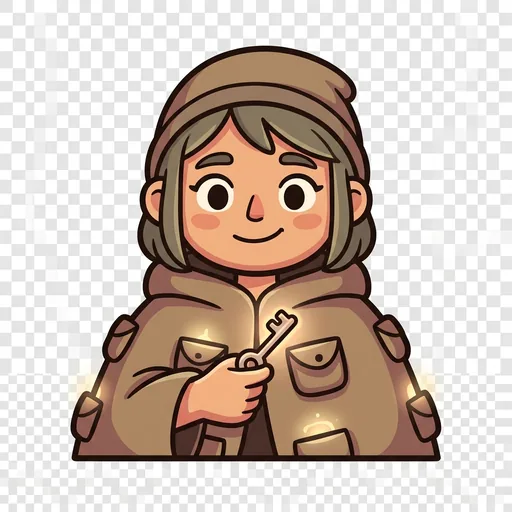
Token
Symbolism — quiet creature with a many-pocketed cloak of small objects that stand for big ideas (a dove = peace); shows the meaning instead of saying it
-

Twain
Oxymoron — two-toned creature (one half warm, one half cool) who places two opposite words side by side (bittersweet); the clash says something truer than either alone