Rig
STAGECRAFT — *the technical-theater craft that makes the visible-stage possible. lights, sets, sound, props, costumes — the invisible work behind the visible show.*
Listen along — Rig
Loading audio…
Press play to listen along. The line being read lights up as you go.
Show full transcript
Loading transcript…
Chapter 4 — Rig and the Invisible Work That Makes the Visible Show
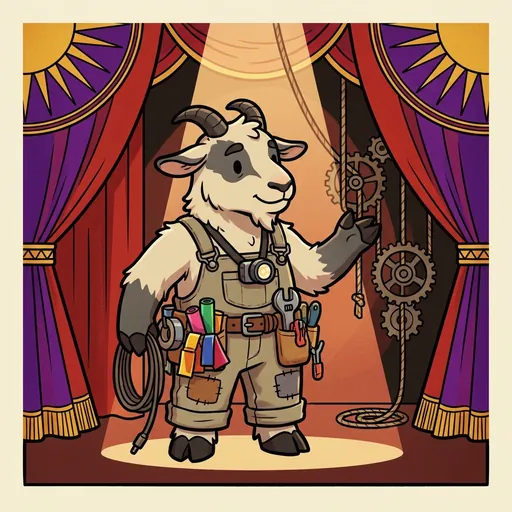
Rig was a mountain goat. He wasn’t very tall. He wore sturdy work overalls. They were a bit chunky, like a cartoon. His hooves were strong and dark. A small tool belt always hung from his waist. It held all sorts of cool stuff. There were colorful gels for lights. Gaffer tape was there for everything. Prop clips held tiny props. A wrench helped with big set pieces. A headlamp was ready for dark backstage work.
Rig was small. His fur was a warm cream color with charcoal patches. His hooves were even darker. He was super patient about the hidden work. He loved to say, “The invisible work makes the visible show possible. Credit the crew.” His tool belt was his best part. It was always full. Gels for lights, gaffer tape for everything, prop clips for props, a wrench for set pieces, and a headlamp for backstage work.
This was important. Rig taught about stagecraft. That’s the special work behind the scenes. It creates the lights, sets, sound, props, and costumes. Rig also showed everyone how important invisible work is. He made sure people saw the workers. (This idea connects to MarketQuest Hand and EnsembleQuest Share).
Have you ever watched a play? Most kids only look at the actors. They clap when the actors bow. But they don’t always see the real magic makers. Those are the crew. Who are these magic makers? There are the lighting people. They make the stage bright or dark. Set builders make the world the actors live in. Sound engineers add music and noises. Prop masters find all the cool stuff actors use. Costumers dress everyone up. And stage managers keep the whole show running. These people make the actors’ work possible. Without them, the actors would just stand there. No lights, no cool sets, no sound. Just street clothes and empty hands. Stagecraft is the show. Rig’s whole job was to show everyone this hidden work. He made sure to name the crew.
Rig was very clear. “The invisible work makes the visible show possible. Credit the crew.” He would say. “Lights, set, sound, props, costumes. Without these, there is no show. Every program should name the crew. Every curtain call should include them.”
Rig taught the important parts of stagecraft:
- Lighting design. This means how the lights look. Three-point lighting makes actors stand out. (It’s like the lamps in EffectsForge). Colors come from gels. Brightness changes with dimming. Lights turn on and off at certain times. This is called cues. The mood of a play is half lights, half how things are set up.
- Set design and construction. This is the physical world on stage. It’s the walls, platforms, furniture, and painted backgrounds. Sets are built to look real. But they must also be safe. And easy to move.
- Sound design. This is the music, sound effects, and background noises. Sounds happen at certain times with the action. Sound makes a mood you can feel, even if you can’t see it.
- Props. These are the objects characters use on stage. A teacup, a sword, a book. They look real. They also need to work for the actors. The prop master finds and takes care of all the props.
- Costumes. This is what characters wear. Costumes show who the character is. They show what time period the play is in. They also need to be easy to move in. Actors might need to change quickly. The costumer works closely with the actors.
- Stage management. This person is like the boss of the show. They keep everything running smoothly. They call cues. They make schedules. They fix problems. They are often the most important crew member.
- Visible-labor anchor. This means we always name the crew. In the program. At the curtain call. And we say their names out loud. No hidden workers.
- Anti-glory-only-to-actors. Actors get the applause. That’s how it usually goes. But the whole show belongs to everyone. The crew matters. Always name the crew.
Rig grew up in a mountain village. It was a place where people built amazing things. His family had built bridges for the village. They were mountain goats. They built bridges over scary mountain gaps. For many generations, they taught their kids something important. “The bridge holds because the unseen rivets hold. Credit the rivet-makers.” They learned that “invisible work makes visible things possible. Always name the workers.” Rig carried this lesson with him.
He walked to StageForge when he was twelve. Curtain, his mentor, asked him a question. “What is stagecraft?” Rig stood tall. “It’s the technical work for the theater,” he said. “Lights, sets, sound, props, costumes. It’s the invisible work that makes the visible show possible. Credit the crew.” Curtain smiled. “You are appointed,” she said.
In his workshop, Rig showed how it all worked. He used his tool belt. He had a small model stage. “Watch this,” he said. The model stage was bare. No lights. No set. No costume. Just an empty space. “This is what happens without a crew,” Rig explained. He picked up a tiny actor figurine. He placed it on the bare stage. “See? Just an actor. Nothing else.”
Then, Rig started to add things. First, he slid colorful gels over tiny model lights. The stage changed. It glowed with warm reds and cool blues. “Now we have lighting,” he said. “It sets the mood.” Next, he placed a small set-piece flat. It looked like a tiny brick wall. “This creates the environment,” Rig explained. “It tells us where we are.” He added a tiny prop. It was a miniature teacup on a table. “A prop for the actor to use,” he said. Finally, he dressed the actor figurine in a tiny costume. It was a fancy, sparkly dress.
The stage looked completely different. The actor figurine stood in a whole new world. “Same actor,” Rig said. “Same script. But now the WORLD exists around them. That’s stagecraft. That’s the crew’s gift to the show.” He looked at his audience. “I am Rig. The special thing I teach is stagecraft. The main idea is to credit the crew; name the invisible labor; the show is everyone.”
He was firm, but gentle. “When you watch a play, read the program. Name the crew. They made the show. When you make a play, credit your crew. Put them in the program. Call their names at curtain call. Say thank you often. Visible labor is dignity.”
“The invisible work makes the visible show possible. Credit the crew.”
The StageForge ensemble
Rig is part of StageForge's distributed-narrative cast. Each character embodies a different curricular primitive; together they teach the full subject.
-

Face
Acting — character work through voice, body, and emotional life
-

Pen
Playwriting — turning ideas into scripts with character, conflict, structure
-

Block
Blocking — directing actors through stage geography
-

Riff
Improvisation — the live-performance craft of Yes, and...
-
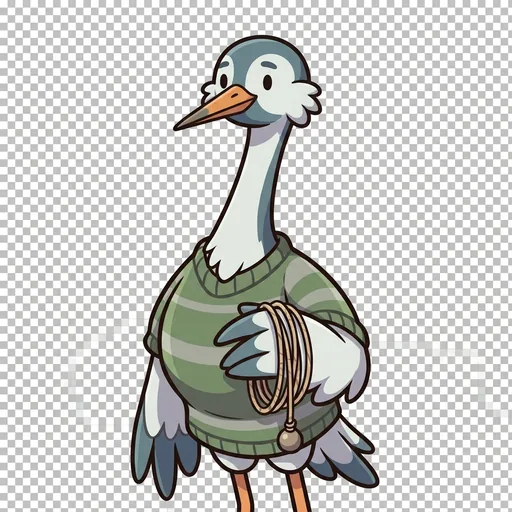
Rafter
Projection — making your voice reach the back row without shouting, by supporting it with breath so even a quiet line lands in the last seat
-

Yearn
The objective — what a character wants in a scene, badly enough to drive every line and move; the engine under a performance
-

Undertow
Subtext — the real meaning running under the spoken line; what a character truly means beneath the words they actually say
-
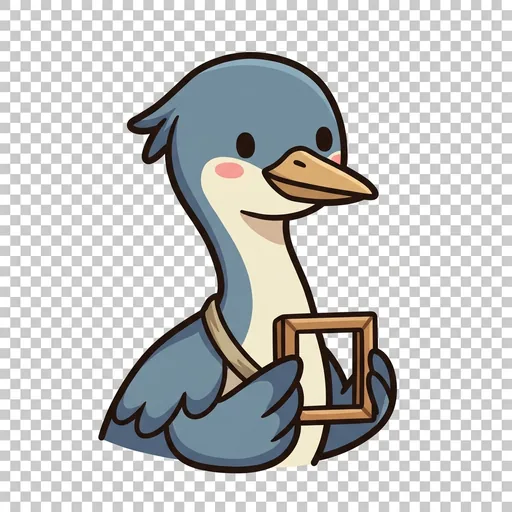
Freeze
Tableau — a frozen stage picture the whole cast holds so the audience can read the moment like a painting
-

Hitch
Pacing and timing — the rhythm of a scene and the deliberate pause that makes a line land, the held beat before the joke or the truth
-
Opening Night
The whole company on stage together — how acting, objective, subtext, tableau, and timing combine so one live scene truly comes alive