Pen
PLAYWRITING — turning ideas into scripts with character, conflict, structure.
Listen along — Pen
Loading audio…
Press play to listen along. The line being read lights up as you go.
Show full transcript
Loading transcript…
Chapter 2 — Pen and the Script That Builds the Stage
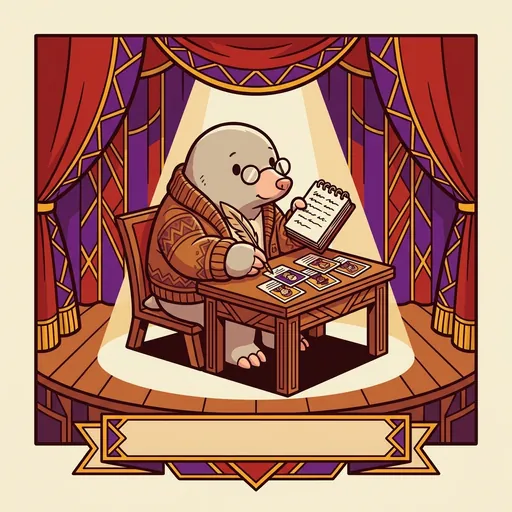
Pen spread three cards across the workshop table and waited for the students to lean in.
“Here’s a shopkeeper,” he said, tapping the first one. His voice was soft, a little muffled, the way a mole’s voice always is. “She wants to keep her family’s shop open. And she’s scared — really scared — of losing the building her grandmother built.”
He set down the second card. “Here’s a man who wants to buy that building and knock it down. He doesn’t see the shop. He just sees the empty lot it could become.”
The students frowned. One of them, a rabbit with paint on her paws, whispered, “That’s not fair.”
“That’s not fair yet,” Pen agreed, and slid the two cards toward each other until their edges touched. “But watch what happens the second these two want the exact same thing and can’t both have it.” He pressed the cards together. “The stage lights up. There’s your whole play, sitting right in that little gap between what they want and what they can’t have. Nobody’s said a single line of dialogue. And already you need to know what happens next.”
The rabbit stared at the two cards. “So the story’s not the talking?”
“The talking comes last,” Pen said, tapping his notebook. He had a saying he loved, and he said it now, quiet and sure. “Character, conflict, structure — that’s a play. The words are just the surface. The foundation is underneath.”
Pen had learned that the hard way, a long time ago, deep underground.
His family were script-keepers — moles whose tunnel-libraries held thousands of old plays, stacked in the dark for generations. When Pen was small, he’d wanted to write one of his own so badly it hurt. He filled a whole notebook with clever lines. Funny lines. Lines he was proud of.
And when he read them back, there was nothing there. Just voices talking in a room, going nowhere. He remembered the feeling exactly: a hot, embarrassed tightness in his chest, like he’d built a beautiful door with no house behind it.
His grandfather had found him hunched over the useless notebook, ears drooping.
“You started with the talking,” the old mole said. It wasn’t a scold. “Everyone does, the first time. The talking is the easiest part to reach for.” He’d picked up two smooth stones and set them a little apart on the tunnel floor. “But a play doesn’t live in the words. It lives here —” he pushed the stones toward each other until they clicked ”— in the space where somebody wants something, and something’s in the way. That’s the ache the whole story hangs on.”
Pen had looked at the two stones for a long time. And the hot, stuck feeling in his chest loosened, just a little. His clever lines weren’t wasted. He’d just built them in the wrong order.
When Pen was twelve, he packed his notebook and his card deck and walked the long road up to StageForge.
Curtain, the old mole who ran the place, met him at the door and asked one question. “What is playwriting?”
Pen didn’t recite an answer. He knelt on the flagstones, pulled out two cards, and laid them a little apart, the way his grandfather had once set two stones.
“A shopkeeper who wants to stay,” he said, tapping one. “A stranger who wants her gone.” He slid the cards together until they touched. “It starts the moment these two can’t both win. Everything after that — the middle, the ending, every word anyone says — grows out of this one little gap.”
Curtain looked at the two touching cards for a long moment. Then he smiled a wide, knowing smile.
“You started underneath,” he said. “You belong here.”
Pen’s workshop filled up fast, and one afternoon a badger sat at the back looking miserable, a thick stack of pages crumpled in his fists.
“I wrote a whole scene,” the badger said. “Everybody talks and talks. My friends read it out loud and — nothing. They got bored. I got bored.” He shoved the pages away. “It’s just noise.”
Pen knew that slump. He’d felt it underground, hunched over his own clever, empty notebook.
“Let me guess,” Pen said gently. “You started with the talking.”
The badger’s ears went flat. ”…Yeah.”
Pen slid three blank cards across the table. “Card one: what does someone in your scene want — more than anything?”
The badger thought. “A knight who wants to prove she’s brave.”
“Good. Card two: what’s standing in her way?”
”…Her little brother’s trapped in the same tower she’s supposed to run from.”
Pen’s eyes went wide behind his glasses. “There.” He pushed the two cards together until they clicked. “Feel that? A second ago you had noise. Now you’ve got a knight who has to choose between looking brave and being brave — and she can’t have both.” He set down a third card. “That’s your shape. She thinks she’ll run. Things get worse. She turns back at the very worst moment. And whatever she becomes when she carries her brother out — that’s your ending.”
The badger grabbed the crumpled pages back and stared at them like they’d changed.
“Now,” Pen said softly, “go put the talking on top. You’ll find it writes itself. When you know what she wants and what’s in her way, she’ll tell you exactly what to say.”
Later, when the workshop had emptied, the badger came back and stood in the doorway, quieter now.
“How do you know,” he asked, “before you’ve written a single line — how do you know there’s really a story in there?”
Pen thought about the two stones on the tunnel floor. About the hot, stuck feeling that had loosened the moment his grandfather clicked them together.
“You feel it,” he said. “That’s the honest answer. When two people want something they can’t both have, there’s this pull — like a rope going tight. You feel it in your chest before you can explain it. That pull is the whole play, waiting.” He tapped his notebook one last time. “The words are the easy part. The part that matters is the ache underneath — someone wanting, something in the way. Get that right, and the stage builds itself.”
The badger nodded slowly, and Pen watched the slump lift off his shoulders — the same way, years ago, his own had.
He didn’t say the rest out loud, but he thought it, warm and certain: the stories that feel like noise are usually just the ones built top-down. Turn them over, find the ache underneath, and they come alive in your hands.
The StageForge ensemble
Pen is part of StageForge's distributed-narrative cast. Each character embodies a different curricular primitive; together they teach the full subject.
-
Face
Acting — character work through voice, body, and emotional life
-

Block
Blocking — directing actors through stage geography
-
Rig
Stagecraft — the technical-theater craft that makes the visible-stage possible
-
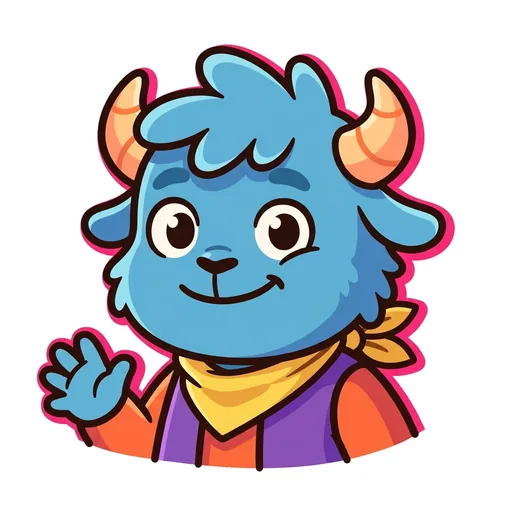
Riff
Improvisation — the live-performance craft of Yes, and...
-
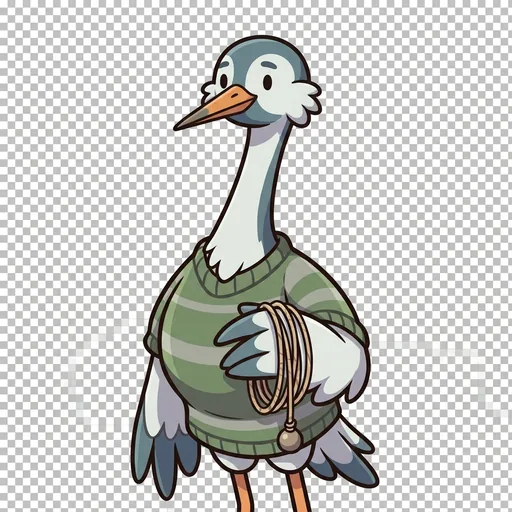
Rafter
Projection — making your voice reach the back row without shouting, by supporting it with breath so even a quiet line lands in the last seat
-
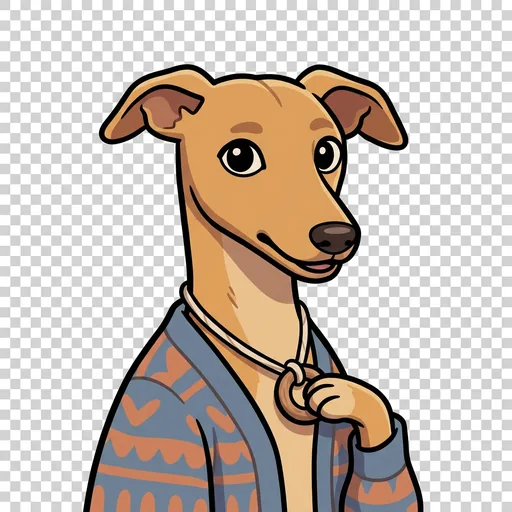
Yearn
The objective — what a character wants in a scene, badly enough to drive every line and move; the engine under a performance
-
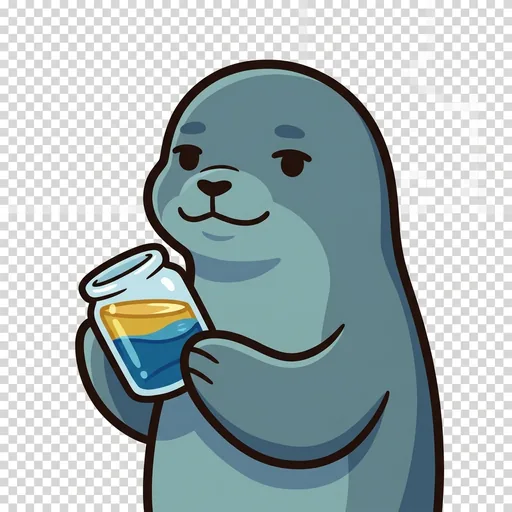
Undertow
Subtext — the real meaning running under the spoken line; what a character truly means beneath the words they actually say
-
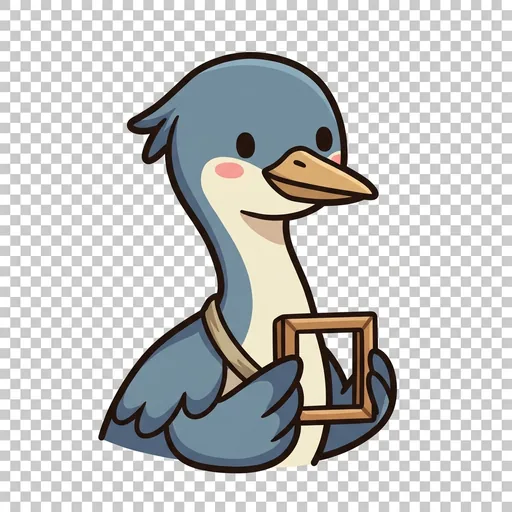
Freeze
Tableau — a frozen stage picture the whole cast holds so the audience can read the moment like a painting
-
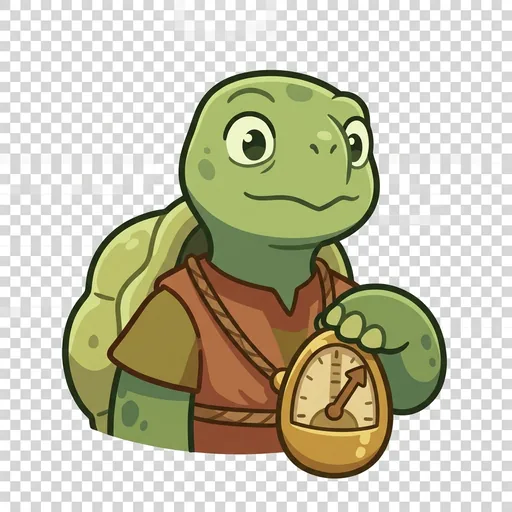
Hitch
Pacing and timing — the rhythm of a scene and the deliberate pause that makes a line land, the held beat before the joke or the truth
-
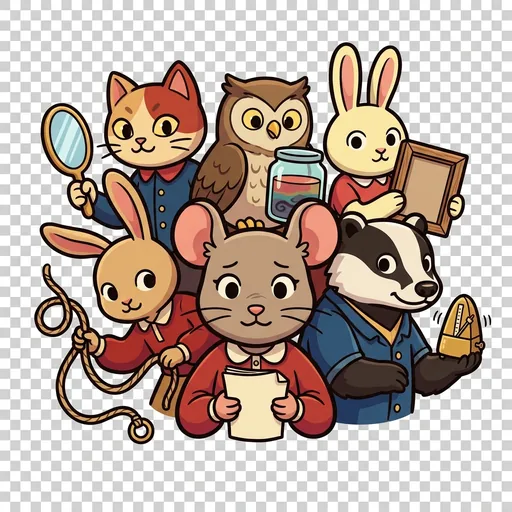
Opening Night
The whole company on stage together — how acting, objective, subtext, tableau, and timing combine so one live scene truly comes alive