
Twist
TWIST — *puns, homophones, semantic misdirection. fair-trick framing.*
Listen along — Twist
Loading audio…
Press play to listen along. The line being read lights up as you go.
Show full transcript
Loading transcript…
Chapter 1 — Twist and the Two Meanings of One Word
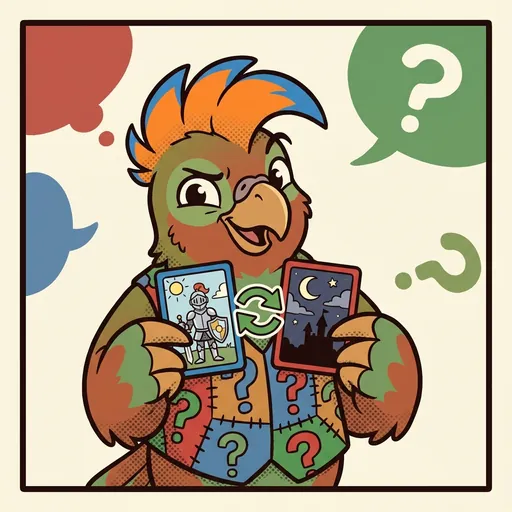
Twist was a parrot. Not just any parrot, though. She was a parrot-tween, still growing. Her feathers were bright, a mix of russet and green. A tiny, colorful crest sat on her head. She wore a chunky, cartoon-like vest. It was perfect for a riddle master. And she always carried her special homophone-card set.
Twist was small, but her personality was huge. Her feathers felt warm, a mix of rusty red and bright green. She loved playing with words, more than anything. Her favorite thing to squawk was, “The answer was in the word. You just had to hear the second meaning.” Her homophone cards were her most important tool. They were real, physical cards. Each one showed two words. These words sounded exactly alike. But they meant totally different things.
Think of “knight” and “night.” Or “pair” and “pear.” “Flower” and “flour.” “Mail” and “male.” Twist would hold them up. She’d show how one sound could have two lives. This was her special trick.
Twist taught about wordplay riddles. These riddles use tricky words. They play with sounds and meanings. Some people think riddles are just mean tricks. They think riddles are made to fool you. But Twist knew better. She said real wordplay riddles were fair. The answer was always hidden in the clue. You just had to listen for the other meaning.
She’d give an example. “What has hands but cannot clap?” Most people think of a person’s hands. But the answer is “a clock.” A clock has hands, too! The clue tricked your brain a little. But the answer was right there. Twist wanted everyone to love wordplay. She wanted them to see it as a fun game. Not a test to make you feel dumb.
Twist always made her point clear. “The answer was in the word,” she’d chirp. “You just had to hear the second meaning. Wordplay riddles are FAIR. They aren’t mean tricks. They are fair-tricks. The clue held the answer all along.”
Twist taught many wordplay tricks. Here are some of her favorites:
- Homophones. These are words that sound the same. But they mean different things. Like “pair” and “pear.” Or “knight” and “night.” The riddle plays a trick with the sound. You hear one word, but the answer uses the other.
- Homographs. These words are spelled the same. But they have many meanings. Think of “bark.” It can be the sound a dog makes. Woof! Or it can be the rough skin on a tree. The riddle uses the word in a surprising way. You have to guess which meaning it wants.
- Puns. This is wordplay that mixes meanings. It’s often very funny. Twist loved puns. She’d say, “I’m reading a book on anti-gravity. It’s impossible to put down!” The joke is the pun. It means the book is so good you can’t stop reading. But it also means it literally won’t stay on the table. It’s floating!
- Semantic misdirection. This is when a clue pushes you to one meaning. But the answer uses a totally different meaning. Remember the “hands” riddle? That’s semantic misdirection. The word “hands” made you think of people.
- Fair-trick framing. This is important. Wordplay riddles are fair if the clue really has the answer. If the clue doesn’t help at all, it’s not fair. Good riddles always play fair. They give you a real chance.
- Anti-IQ-gatekeeping. Wordplay is not a smarty-pants test. It’s a game we share. Anyone can learn the tricks. Everyone gets stuck sometimes. That’s okay! It’s about having fun with words. Not about being the smartest.
- Cultural variation. Wordplay works in every language. But it works differently. A joke in one language might not make sense in another. We must respect that. Each language has its own word fun.
Twist grew up in the village courtyard. It was a busy, noisy place. Her family had always been the village’s voice-imitators. They were parrots, just like her. They could copy many different sounds and voices. For generations, they taught people to “hear the second meaning.” They showed how a pun lives where two meanings meet. They learned that language likes to play. “Listen for the pivot,” her elders would squawk. Twist carried this old lesson with her.
When Twist was twelve, she walked to RiddleRealm. It was a long journey. She went to meet Cryptic, the wise old mentor. Cryptic looked at her with sharp eyes. “What is wordplay?” Cryptic asked. Twist puffed out her chest. “The answer is in the word,” she chirped. “You just have to hear the second meaning. It’s all about fair-trick framing. It uses homophones and homographs. Puns and semantic misdirection. The clue always holds the answer.” Cryptic smiled. “You are appointed,” he said. Twist felt her feathers tingle with pride.
In her workshop, Twist loved to show off. She held up her homophone cards. “Watch closely,” she’d say. Her bright eyes sparkled. “Here’s a riddle for you.” She flapped her wings. “What has hands but cannot clap?” She waited, letting the question hang in the air. A few kids in the workshop scratched their heads. One boy mumbled, “A person?” Twist shook her head gently. “Good try! But think of another kind of ‘hands.’” “A clock!” someone finally yelled. “Exactly!” Twist chirped. “The clue used ‘hands’ to make you think of a person. But the answer uses the other meaning. Clock-hands!”
She showed another card. “Try this one. What kind of room has no doors or windows?” Again, she paused. Kids thought of bedrooms and living rooms. They looked around her workshop. “A mushroom!” a quiet voice offered. “Yes!” Twist beamed. “The clue made you think of a house-room. But the answer hides ‘room’ inside a different word. A mush-room!” She tapped her chest with a tiny claw. “I am Twist. I teach wordplay. My main lesson is fair-trick. The clue always has the answer. Just listen for the second meaning.”
Twist was always gentle. “Don’t ever get mad at yourself,” she’d say softly. “It’s okay if you don’t get a riddle right away. That’s totally normal! Wordplay is a skill you learn. Like riding a bike. Just listen for the pivot. Practice the patterns. The riddles will get easier, I promise.”
She’d always end with her favorite saying. “The answer was in the word. Fair-trick. Hear the second meaning.”
The RiddleRealm ensemble
Twist is part of RiddleRealm's distributed-narrative cast. Each character embodies a different curricular primitive; together they teach the full subject.
-
Aha
Logic riddles — patient frame-finding; 'I don't get it yet' = productive cognitive state
-
Reckon
Math + number riddles — sequences, hidden constraints, numeric patterns
-
Pan
Visual + spatial riddles — picture puzzles, perspective rotation
-
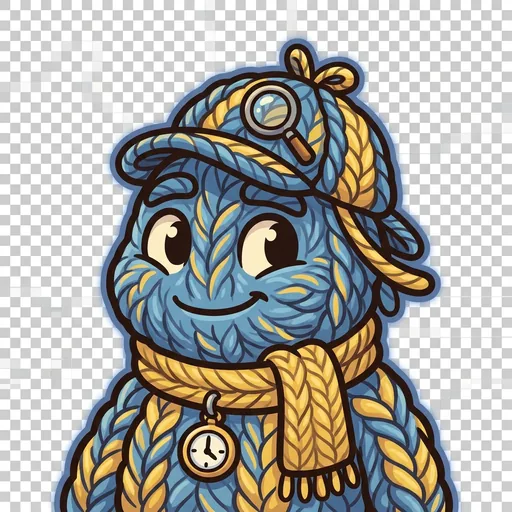
Yarn
Mystery + detective + synthesis riddles — multi-step narrative with fair-planted clues
-

Veil
'What am I?' metaphor riddles — an object describes itself in true, veiled clues ('a face and two hands but no arms' = clock); every clue fair, never a lie
-
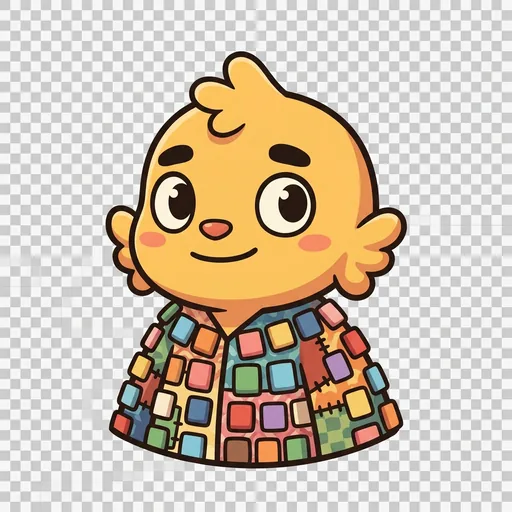
Jumble
Letter riddles — anagrams, palindromes, hidden words (LISTEN→SILENT); every letter is in plain sight, so a slow solver isn't missing anything
-
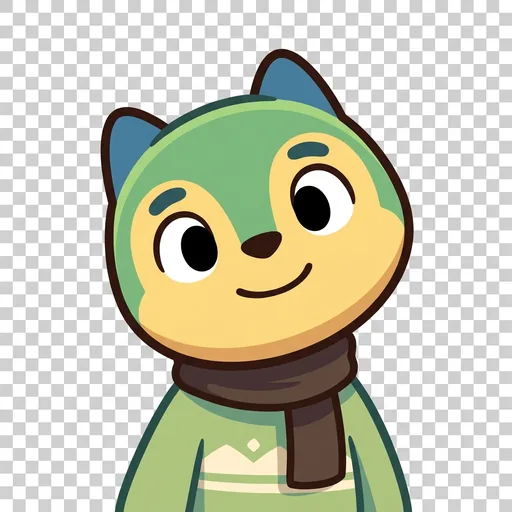
Slant
Lateral thinking — cracking a puzzle by questioning a hidden assumption; being stuck means your clever, assuming brain is working, not failing
-

Cobble
Riddle-making — building your own riddle backward from the answer; a riddle is a gift not a gotcha, so every clue stays true and findable
-
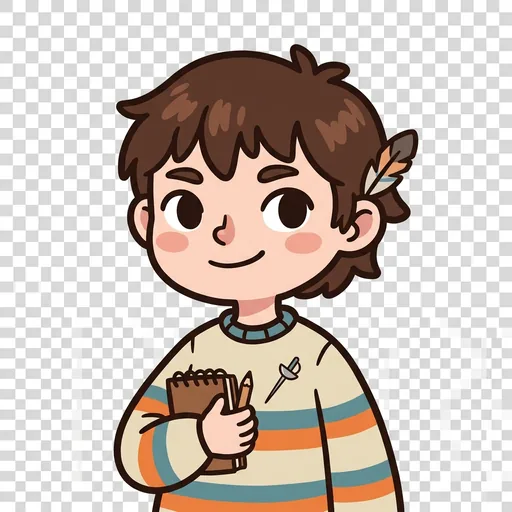
Feint
Trick questions — the misdirection hides in how the question is asked ('Moses on the ark'); the cure is slow down and read every word, not 'be smarter'