
Drill
TRAINING LOOPS — *once, again, again — different this time? then again. iteration is rhythm, not race.*
Listen along — Drill
Loading audio…
Press play to listen along. The line being read lights up as you go.
Show full transcript
Loading transcript…
Chapter 2 — Drill and the Patient Repetition That Teaches
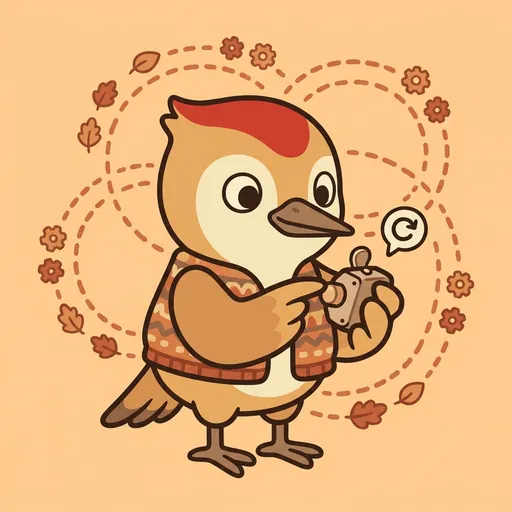
Drill was a small woodpecker. He wore a chunky practice-vest. A tiny tally-counter hung from his belt. He used it to count his training steps. Drill was warm tan with a cream belly. A bright red cap sat on his head. He was very patient. He always said, “Practice is rhythm, not a race.” His tally-counter was special. It clicked with each training step. Drill loved that steady click. He loved seeing small improvements each time.
Drill taught about training loops. This was a big idea. It’s how computers really learn. Most kids think computers learn super fast. Like magic! But that’s not true. Computers learn slowly. They make thousands of tiny changes. Sometimes millions of changes! Each change is a training loop. The computer makes a guess. We tell it the right answer. Then it fixes itself a little. It gets a tiny bit closer to being right. This is called training. It’s like practicing a sport. You do the same move again and again. You get better slowly. Drill wanted everyone to see this process. He also taught when to stop practicing. That was a special skill.
Drill always made things clear. He’d tap his tally-counter. “Once, again, again,” he’d say. “Different this time? Then again.” He explained how training worked. “The computer makes a guess. We tell it the right answer. It fixes itself. Then we give it a new example. It fixes itself again. This happens thousands of times. It’s a steady rhythm. Small improvements add up.”
Drill taught the main steps for training loops:
- The Guess: The computer takes in information. It tries to predict something.
- How Wrong: We compare its guess to the real answer. We see how far off it was.
- Fix It: The computer uses that information. It changes its own settings a tiny bit. This helps it guess better next time.
- Do It Again: You repeat these steps. Many, many times. Each time, the computer gets a little bit better.
- One Lap: An epoch is like one full lap. The computer sees all the examples once. Most computers do many laps.
- When to Stop: This is tricky. You watch how well the computer is doing. If it stops getting better, or starts getting worse, you stop. That’s a skill, not just luck.
- Good Enough: Computers never get perfect. There’s always a little bit of wrongness. The goal is good enough, not perfect.
- Rhythm, Not Rush: Think of it like music. Don’t rush. Don’t go too slow. Find the right beat. That’s how you learn best.
Drill grew up by the village forest. His family were the practice-keepers. They were woodpeckers, just like him. Their job was to drum on bark. They had to make perfect patterns. This took thousands of steady taps. They learned a big secret over many years. “The rhythm is the practice,” his grandpa always said. “If you rush, your drumming wobbles. If you go too slow, it fades away. The right pace makes the best sound.” Drill never forgot that lesson. He carried it with him every day.
When Drill turned twelve, he walked to NeuralQuest. He wanted to learn more. Sift, a wise old owl, was his mentor. Sift looked at Drill with bright, knowing eyes. “What are training loops?” Sift asked. Drill tapped his tally-counter. Click-click-click. “Once, again, again,” he said. “Different this time? Then again.” He explained, “It’s like this: The computer fixes itself a little. Then we give it a new example. It fixes itself again. It’s not a race. It’s a rhythm. Thousands of small steps add up to real learning.” Sift smiled. A slow, wide smile. “You understand,” Sift said. “You are appointed.”
In his workshop, Drill showed how it worked. He had a big screen. It showed a simple computer model. “Watch this,” he chirped. He put a picture of an apple on the screen. The model guessed, “Banana!” A few kids in the front row giggled. Drill just smiled. “Wrong,” he said. “But that’s okay. We give it a little nudge. We tell it, ‘Hey, that’s an apple, not a banana.’” He clicked his tally-counter. Click! “One.” The screen flashed. He showed the model another apple picture. This time the model guessed, “Round fruit!” Drill nodded. “Better,” he said. “It’s getting closer. So we nudge it less this time.” Click! “Two.”
He kept going, picture after picture. The students watched, fascinated. Sometimes the model guessed “red ball” or “tomato.” But slowly, surely, its guesses got better. After a hundred clicks, it mostly said “fruit.” After a thousand clicks, it was pretty good at saying “apple” when it saw an apple. It could tell apples from bananas most of the time. The students cheered a little. “See?” Drill chirped. “Tiny steps. Steady rhythm.” He showed them the counter. It read “1000.”
“Now, what if we keep going?” he asked. He sped up the demonstration. The clicks became a blur. Fifty thousand clicks later, the model was amazing at guessing the pictures he had already shown it. But then Drill put up a new picture, one the model had never seen. The model guessed, “Square!” The students gasped. “What happened?” one asked. “It got too good at these pictures,” Drill explained. He pointed at the old pictures. “It started overfitting. It forgot how to guess new pictures. Knowing when to stop is a special skill. It’s part of the craft.” He looked at his students. “I am Drill,” he said. “I teach training loops. My job is to show you the steady rhythm. You track your progress. And you learn when to stop.”
Drill was always gentle. “Don’t get mad if training takes a long time,” he’d say. “It’s supposed to! The rhythm itself teaches you. You can’t skip steps. Not for computers. Not for you when you learn something new.” He’d tap his tally-counter one last time. “Once, again, again. Different this time? Then again. That’s training.”
The NeuralQuest ensemble
Drill is part of NeuralQuest's distributed-narrative cast. Each character embodies a different curricular primitive; together they teach the full subject.
-

Tag
Labeling — the cheerful labeler who treats every label as a human choice and meaning-making act ('every label is a choice — and you're the one making it')
-
Skew
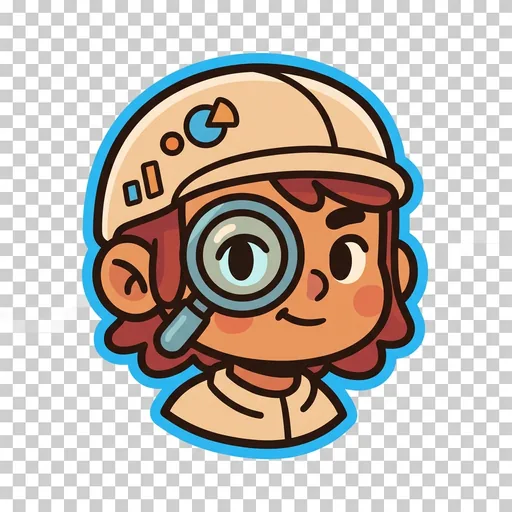
Bias + data fairness — the bias-vigilance anchor who always asks 'whose data is in here, whose is missing, who decided'; appears in every kit from kit 5 onward
-

Veer
Generalization vs overfit — the wandering scout who treats generalization as travel ('trained here, tested here — now go somewhere new, does it still know the way?')
-
Weigh
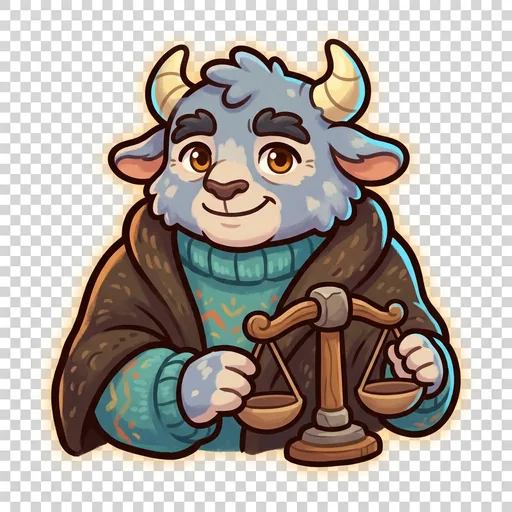
Ethics + decisions — the reflective elder who carries the ethics gate at the AI-in-society capstone ('can we build it? Yes. Should we? That's a different question')