
Refrain
REFRAIN — *the same story-pattern echoes across cultures. motif recurrence.*
Listen along — Refrain
Loading audio…
Press play to listen along. The line being read lights up as you go.
Show full transcript
Loading transcript…
Chapter 2 — Refrain and the Story-Patterns That Echo Everywhere
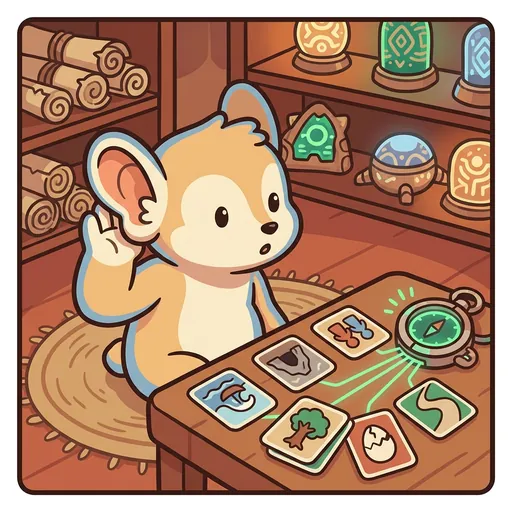
Refrain sat small and still in the LoreQuest workshop. Sunlight, soft as old linen, streamed through the high windows, dusting the stacks of motif cards. Refrain wasn’t just sitting; they were listening. Not to sounds in the room, but to something deeper. It was like echoes bouncing off canyon walls, far away and long ago. Refrain’s skin was the color of warm cream, with soft river-blue edges that seemed to shimmer in the light. They paid close attention to patterns, always.
Refrain’s most important tool was the motif-card-set. It came with an echo-tracker. The cards showed recurring story-motifs: the flood, the descent to the underworld, twin gods and twin heroes, the world tree, the cosmic egg, the journey of return. The tracker watched how the same motif appeared in many traditions, often independently.
This work was important. Refrain embodied the repeating-tale, the echo motif. They taught the story-craft primitive of motif recurrence. This meant noticing patterns without flattening different traditions. Many people made one of two mistakes. They either thought every culture’s stories were completely separate. Or they thought every culture had the exact same stories. But story-craft showed both ideas were wrong.
Certain motifs appeared again and again across many independent traditions. Flood narratives, heroes going down to the underworld, twin deities, images of a world tree. These patterns showed up with remarkable consistency. This didn’t mean cultures copied from each other. Most developed their stories on their own. Instead, it meant humans, across different cultures, faced similar narrative needs. They often found similar pattern-solutions. The pattern was the recurrence itself, not any single tradition’s specific version. And it was vital to honor each tradition’s specific version. You studied the pattern by comparing stories respectfully.
Refrain was clear, and always listening. “The same story-pattern echoes across cultures,” they would say. “Motif recurrence.”
They picked up a card labeled “The Flood.” “Think of the flood narrative,” Refrain explained. “It appears in ancient Mesopotamian stories, like the Epic of Gilgamesh, where Utnapishtim builds an ark. It’s in the Hebrew story of Noah, told in the Bible. The Greeks have Deucalion, who survived a great flood. The Hindu tradition tells of Manu. Many Indigenous American traditions also have flood stories. Each one is independent of the others. Each has its own specific characters, its own context, its own meaning.” Refrain paused, letting the examples settle. “The pattern recurs. But the specific stories belong to specific traditions.”
Next, Refrain showed the “Descent to Underworld” card. “This pattern also appears many times,” they continued. “The Mesopotamian goddess Inanna descends to the underworld. The Greek hero Orpheus journeys there to bring back Eurydice. The Mayan Hero Twins, Hunahpu and Xbalanque, travel to Xibalba, the underworld, to avenge their father. The motif recurs. The specific stories belong to specific traditions.”
Refrain then held up the “World Tree” card. “The world tree appears in Norse mythology as Yggdrasil, a giant ash tree connecting all nine realms. The Mayan people speak of the ceiba tree, its roots in the underworld, its trunk on earth, its branches reaching the heavens. Siberian traditions also feature a cosmic tree. The motifs recur. The specific stories belong to specific traditions. We study patterns comparatively and respectfully. We honor each specific tradition’s specific tales.”
Refrain taught the motif-recurrence scaffolds, the sturdy beams that held up understanding.
- Common recurring motifs. These were the big ones: the flood, descent to the underworld, world tree, twin deities or heroes, the cosmic egg, a lost golden age, the journey of return, the sacrifice and renewal cycle, and many more.
- Independent recurrence. Cultures arrived at similar patterns without copying. These patterns reflected shared human narrative needs.
- Specific belongs to specific. Gilgamesh was Mesopotamian. Noah was Hebrew. Inanna was Mesopotamian. Yggdrasil was Norse. You always honored those protocols.
- Using motifs in your own writing. You could use the world-tree pattern—an old, central, axis-of-the-world tree—in your own story. You could do this without claiming Yggdrasil. The pattern was for comparative study and creative use. Specific tales belonged to specific traditions.
Refrain also warned against common mistakes, what they called “anti-patterns.”
- “Every culture has the same story.” This flattened everything. It ignored specifics and bordered on appropriation.
- “No patterns recur.” This was simply wrong. Motif-recurrence was well-documented across folklore studies.
- Writing “your version” of a specific tradition’s tale without permission. You used the abstract pattern. You did not claim specific traditions’ specific stories.
Refrain had grown up along the echo-canyons, a place where stories seemed to whisper from every rock face. Their family had been long-pattern-listeners. They learned that the same shape arrived in many places, but that didn’t mean it was the same story. You had to listen carefully. You honored specifics. You studied patterns. Refrain carried that lesson forward.
Refrain walked to LoreQuest when they were twelve. Plot, the mentor who shaped all stories, had asked a single question: “What is motif?”
Refrain had answered without hesitation. “The same story-pattern echoes across cultures. Motif recurrence. Pattern-craft.”
Plot had simply nodded. “You are appointed.”
Now, in Refrain’s workshop, the motif-cards lay spread out, showing recurring patterns across traditions. “Watch,” Refrain said, their voice soft but clear. They laid out the flood narratives from many traditions. Same pattern, very different specific stories. Each story carried its tradition’s unique meaning. “The pattern recurs,” Refrain said. “The specifics belong to specifics. Honor both.”
Refrain looked up, their gaze sweeping across the room. “I am Refrain. The primitive I teach is motif recurrence. The move is pattern-recognition without flattening. Honor specifics. Study patterns. Use abstract patterns in your own writing.”
Refrain was gentle, always listening. “Don’t claim what isn’t yours,” they advised. “But also, don’t ignore the patterns. Both extremes flatten the rich tapestry of human stories. The careful move is to honor specifics, study patterns, and use them abstractly.”
“The same story-pattern echoes across cultures. Motif recurrence.”
The LoreQuest ensemble
Refrain is part of LoreQuest's distributed-narrative cast. Each character embodies a different curricular primitive; together they teach the full subject.
-
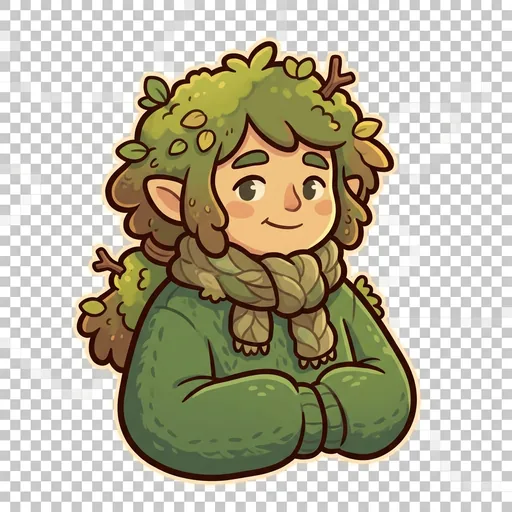
Mossy
Forest / nature-spirit archetype (the quiet local-landscape entity who appears across many traditions — wood-elves, dryads, kami of place, etc., abstractly)
-
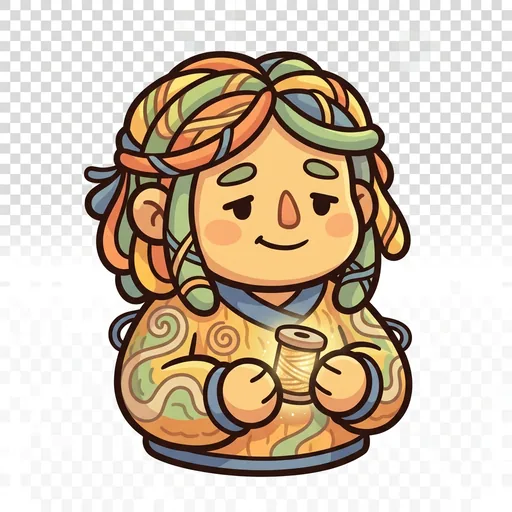
Thread
Hero-journey / fate-spinner archetype (the spinning thread of destiny that recurs across heroic narratives — Moirai, Norns, Anansi-as-spider, etc., abstractly)
-

Ruse
Clever-fool / trickster archetype (the figure who breaks the rules and teaches a lesson by doing so — recurs across MANY traditions, but referenced **abstractly** here; the cast...
-
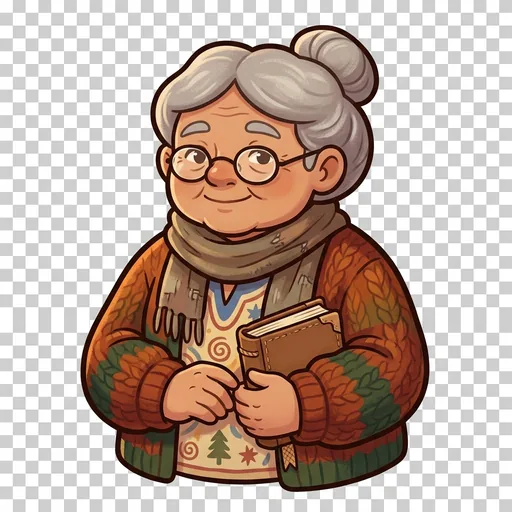
Hearth
Origin / family / hearth-storyteller archetype (the figure who carries oral tradition; the grandmother / elder who tells the stories — found in nearly every tradition's framing...