
Mossy
MOSSY — *the quiet local-landscape entity. every story has a place; the place has a presence.*
Listen along — Mossy
Loading audio…
Press play to listen along. The line being read lights up as you go.
Show full transcript
Loading transcript…
Chapter 1 — Mossy and the Place That Listens Back
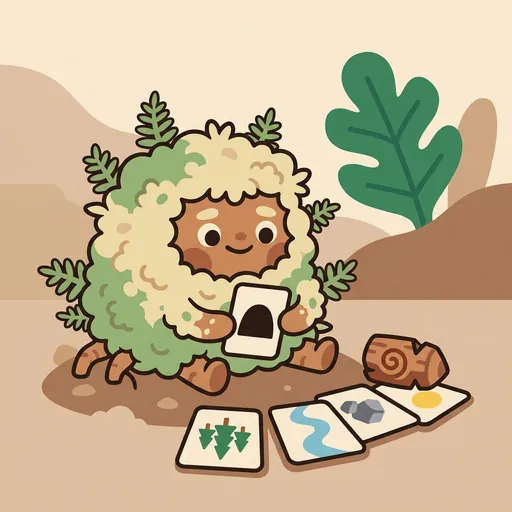
Mossy is a small, mossy creature. Mossy helps kids understand places in stories. Mossy is like the spirit of any place. Not a specific spirit, but the idea of a place having feelings.
Mossy is small and covered in soft moss. Mossy is warm cream with fern-green edges. Mossy always seems connected to the ground. Mossy often whispers, “Every story has a place. And that place has a presence.”
Mossy carries special landscape cards. These cards show different places. They might show a stand of trees. Or a winding stream. Maybe a big rock or a quiet meadow. Mossy also has a little marker. It shows how each place can feel alive in a story.
Mossy teaches a big idea. It’s about how a place can feel like a character in a story. We call this place-as-presence. Many new writers think a setting is just a picture. Like wallpaper behind the action. But good stories make places feel real. The forest might watch you. The river might remember old secrets. A mountain can have moods.
Many cultures have stories about spirits of places. Like wood-elves, dryads, or kami. These are special to those cultures. But the big idea is always the same. The place feels alive. So, when you write, don’t just describe a place. Make it part of the story. Strong storytellers make places active. Mossy helps you do this. Mossy isn’t any one spirit. Mossy is the idea of all places having a presence. Mossy’s job is to show you how. How to make places feel like characters. Not just pretty pictures.
Mossy spoke in a soft, mossy whisper. “Every story has a place,” Mossy said. “And that place has a presence.” Mossy paused. “If your story is in a forest, don’t just say ‘the forest.’ Make the forest feel something. Is it quiet? Watching? Friendly? Or maybe a little scary? A forest can feel different at different times. It depends on who is there. And what is happening. Place is a character in the story. Treat it like one.” Mossy added, “Many cultures have special names for place spirits. Those spirits belong to those cultures. But the idea of a living place is for everyone. You can use this idea in your own stories.”
Mossy teaches many ways to make places come alive:
- Use your senses. What does the place smell like?
- What sounds do you hear? Is it hot or cold?
- What does it feel like to touch? How is the light?
- Places have moods. A forest can be happy one day.
- It can feel sad the next. Show that mood.
- Places change people. Walking from a sunny field into a dark forest feels different.
- It changes how a character acts.
- Places can have memories. If a character visits a place twice, it might feel different.
- Because of what happened there before.
- Remember other cultures’ spirits. Many cultures have their own special place spirits.
- Respect them. Don’t just borrow them.
- You can use the idea of a living place. You don’t need to use specific spirits.
- Mossy’s way works for any story.
- Don’t make places boring. Don’t just use them as wallpaper.
- Don’t take other cultures’ spirits. Kami, wood-elves, or bunyips belong to their own stories.
- Mossy’s ideas fit with other story tools. Like TaleForge Glimmer or StageForge Block. They all help you build places.
Mossy grew up near an old, shady grove. Sunlight dappled through the leaves there. Mossy’s family were “place-listeners.” They taught Mossy a secret. “The place listens back,” they said. “If you listen to it. And it becomes a character if you let it.” Mossy carried that lesson forward.
When Mossy was twelve, Mossy went to LoreQuest. Plot, a wise old mentor, asked a question. “What is a place?” Plot asked. Mossy answered, “Every story has a place. And that place has a presence. It’s place-craft.” Plot nodded. “You are chosen,” Plot said.
In Mossy’s workshop, the landscape cards were spread out. They showed simple pictures of places. A river. A mountain. A deep cave. “Watch,” Mossy whispered. Mossy read two sentences. “Version A: ‘She walked through the forest.’” Mossy paused. “That’s fine,” Mossy said. “But it’s a bit plain.”
“Now, Version B,” Mossy continued. “She walked through the forest where the trees held their breath. The ground felt soft under her boots. The air smelled of cold pine and something ancient. Light peeked between the trunks like a secret question.” Mossy looked up. “Same forest,” Mossy said. “But one is just wallpaper. The other is a presence.” Mossy added, “I am Mossy. I teach about place-as-presence. It means using senses, mood, and memory. It’s about making places feel alive. For any story you write.”
Mossy spoke gently. “Don’t think of a setting as just wallpaper,” Mossy said. “Listen to the place. Let it become a character. The best stories let the place be part of the action.”
Mossy finished with a soft whisper. “Every story has a place. And that place has a presence.”
The LoreQuest ensemble
Mossy is part of LoreQuest's distributed-narrative cast. Each character embodies a different curricular primitive; together they teach the full subject.
-

Refrain
Repeating-tale / echo motif archetype (motif recurrence — same story-pattern appearing across cultures: flood myth, hero descent to underworld, twin gods, etc.)
-

Thread
Hero-journey / fate-spinner archetype (the spinning thread of destiny that recurs across heroic narratives — Moirai, Norns, Anansi-as-spider, etc., abstractly)
-
Ruse
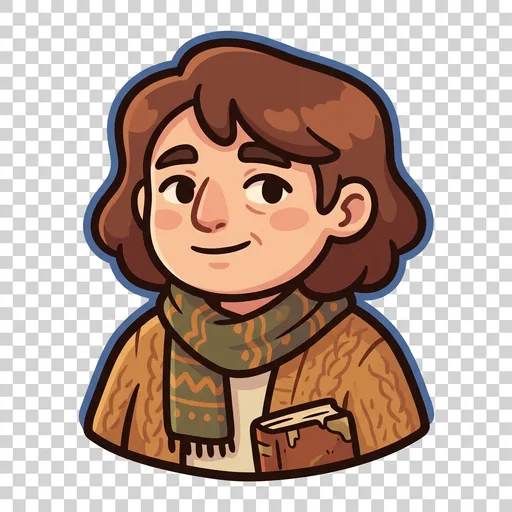
Clever-fool / trickster archetype (the figure who breaks the rules and teaches a lesson by doing so — recurs across MANY traditions, but referenced **abstractly** here; the cast...
-
Hearth
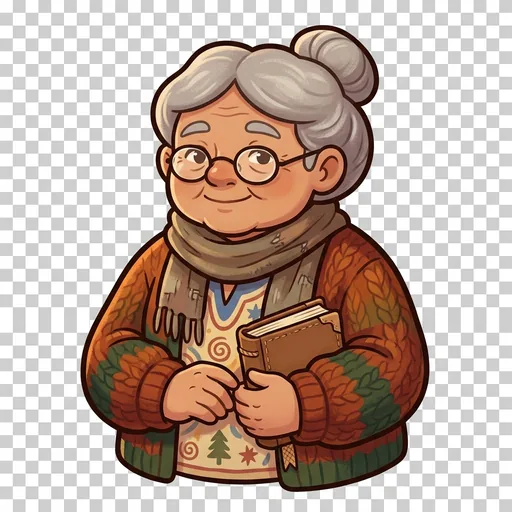
Origin / family / hearth-storyteller archetype (the figure who carries oral tradition; the grandmother / elder who tells the stories — found in nearly every tradition's framing...