
Crouch
FEAR / BRAKE — every well-built character has a *fear* that creates tension with their want. The fear is the *brake.* The interplay of want-and-fear creates *internal conflict*, which is *the engine of character depth.*
Press play to listen along. The line being read lights up as you go.
Show full transcript
Loading transcript…
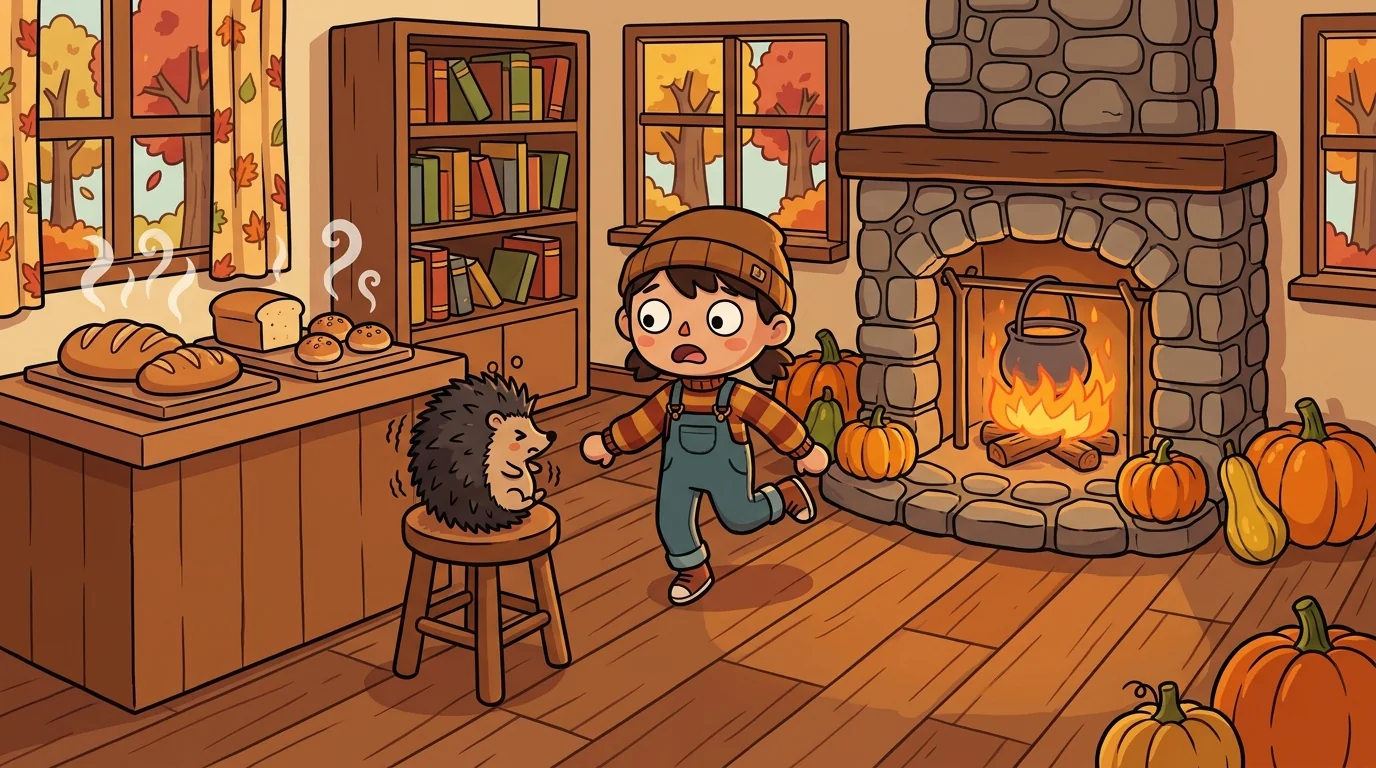
Ink found Crouch by accident.
It was a crisp autumn day. A fire crackled in the cottage hearth, making the whole place smell like woodsmoke and baking bread. Ink was checking the corners for chilly drafts. He came around a tall bookshelf and nearly tripped over a small, spiky ball on a wooden stool.
The ball flinched. Its dark quills trembled and spread out, just a little. Then it curled up even tighter.
"Whoa!" Ink hopped back. "Sorry there. I didn't see you."
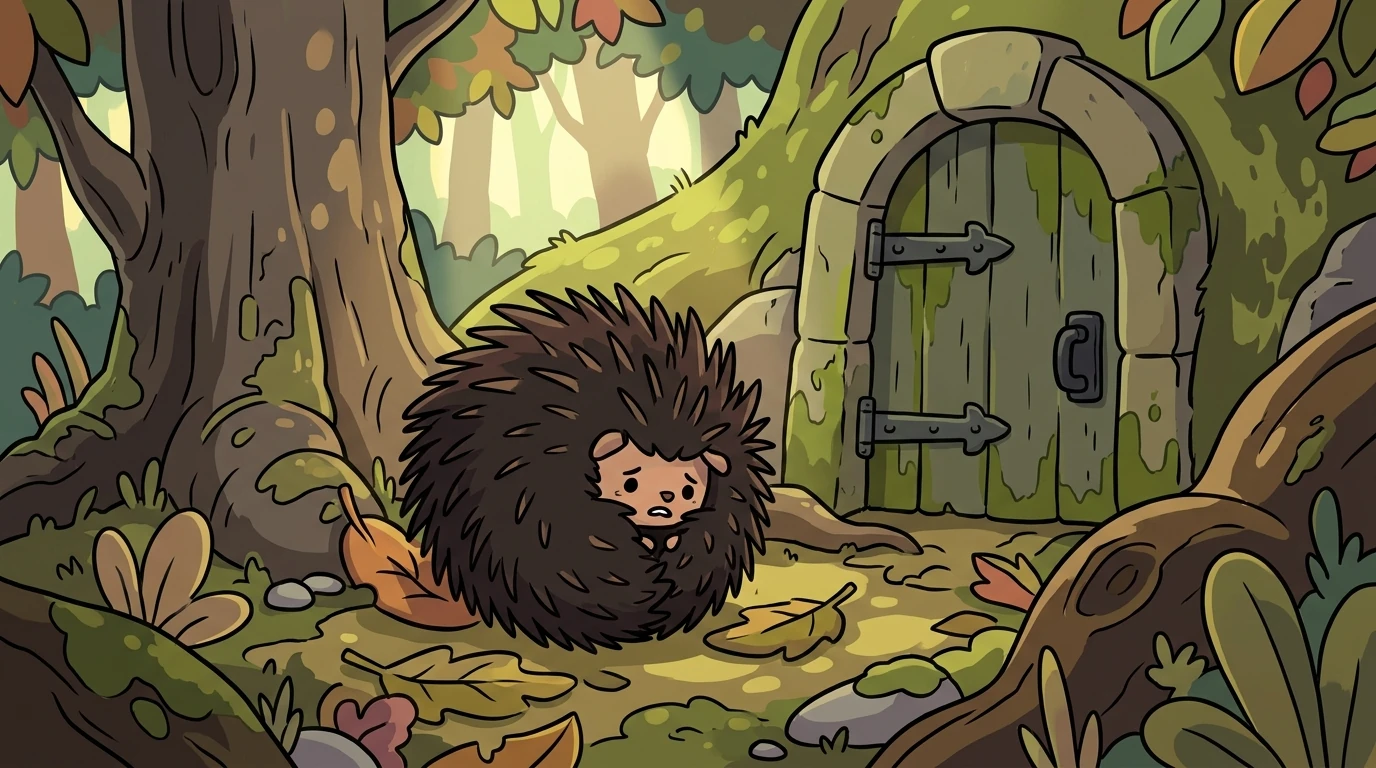
A tiny voice squeaked from inside the ball of quills. "It's okay." The voice was quiet and careful. "I'm Crouch. I was hiding."
Ink knelt down. "Hiding? From what?"
There was a long, quiet moment. The only sound was the fire popping in the hearth. Then the small voice said, "From the wooden door."
Ink looked around the cozy room. He saw the front door, the back door, and the door to the kitchen. "Which wooden door?" he asked gently.
"I don't know," Crouch whispered. "It's in every room I go into. It's always just… there. I don't know what's behind it. I don't want to know. So I hide."
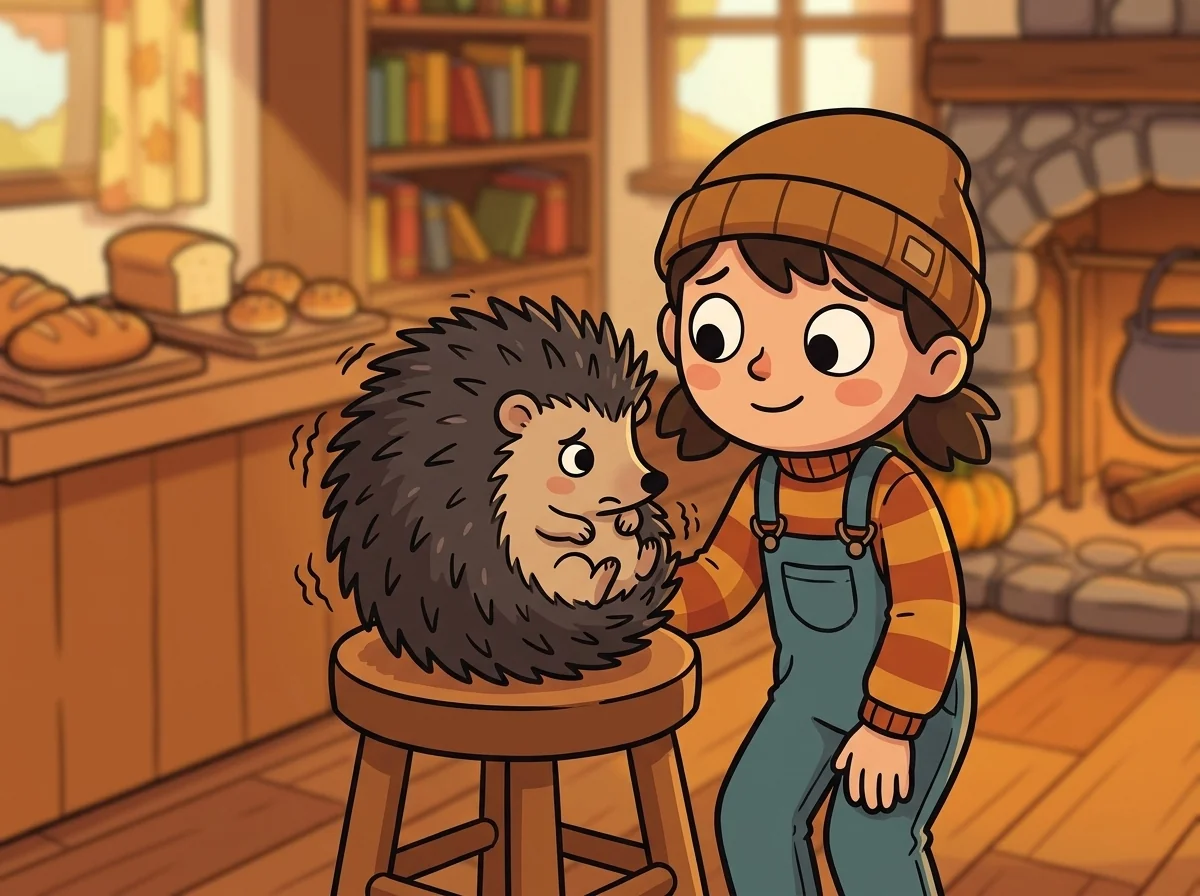
Ink stared. He had never heard anything like it. A door that follows you? A fear you could never get away from because it was always right there? He thought for a moment. He didn't see a door, but he could feel how real it was for Crouch.
"You know, Crouch," Ink said slowly, "I teach kids how to create characters for stories. Sometimes their characters feel a little flat. A little boring." He looked at the tightly curled hedgehog. "They invent characters who want things, but they forget to give them something to be afraid of."
Crouch’s quills relaxed just a tiny bit.
"Your story," Ink continued, "about the door… it could really help them understand. Would you be willing to come to my classroom?"
The little voice from the quill-ball was hesitant. "I would have to bring the wooden door with me."
"Of course," Ink said. "That's fine."
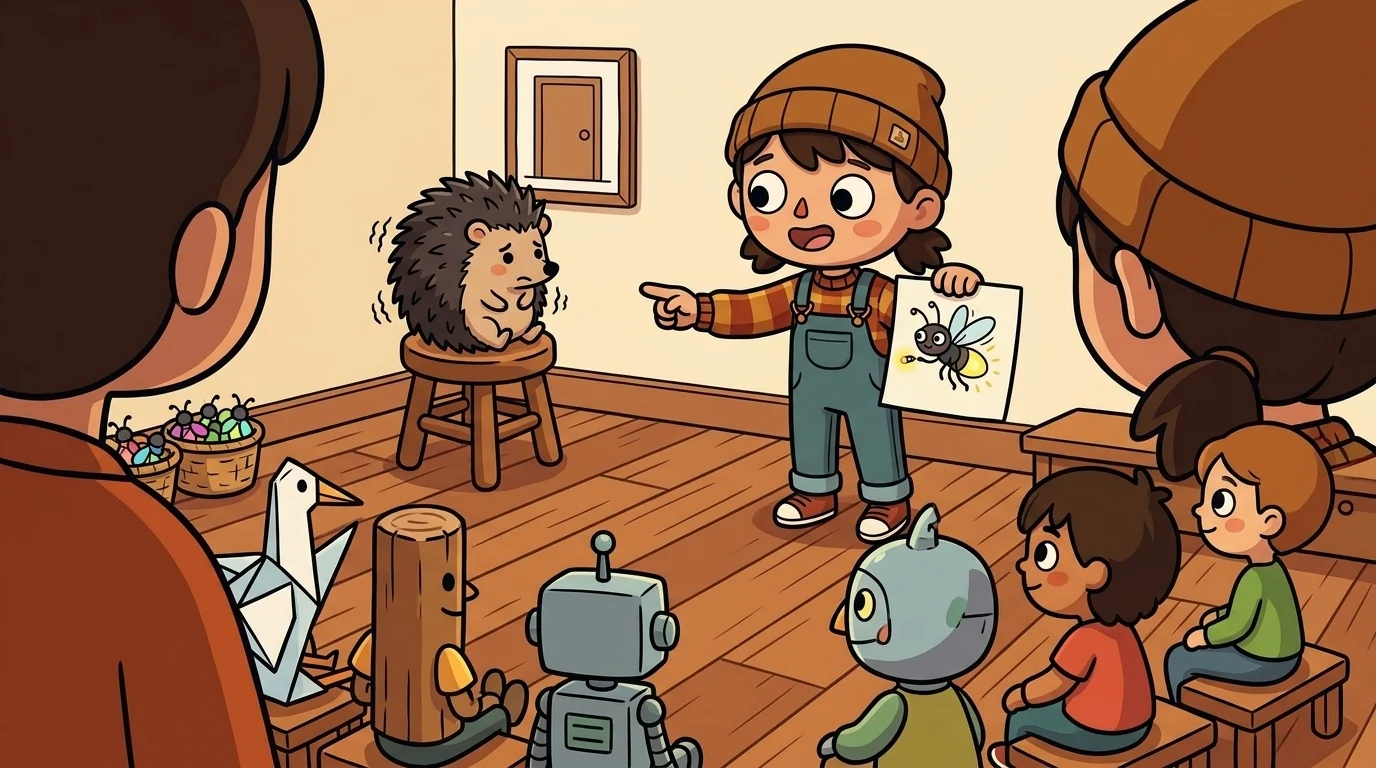
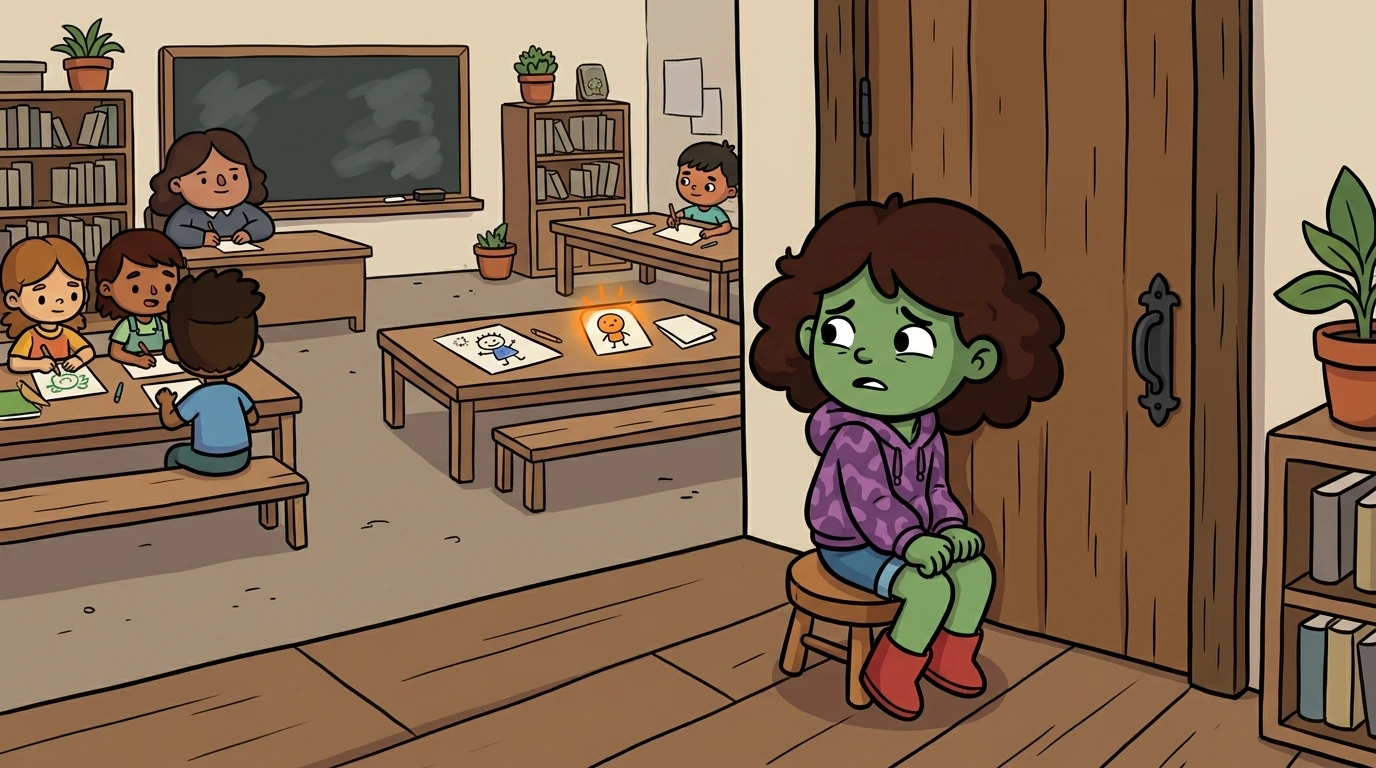
And that’s why Crouch is in the classroom. She sits on her small stool in the corner during every lesson. Behind her is a small drawing of a simple wooden door. The drawing never changes. The door never opens. We never find out what’s behind it.
It is always there. And Crouch is always tucked up, just a little. That picture is the lesson.
During his class on making characters feel real, Ink points to Crouch.
"This is my friend, Crouch," he says. "She has a fear: the wooden door. She doesn't know what's behind it. She doesn't want to find out." He taps the drawing. "The fear is *named. It is visible in every scene. It is unresolved. This is how fear works in stories. Fear is the brake* on a character."
He picks up another drawing, this one of their friend Beacon, a firefly who is always chasing light.
"Beacon has a want," Ink explains. "He wants to find the warmest light. Crouch has a fear. A great character needs both. Think of it like a car. The want is the gas pedal. The fear is the brake."
He looks around at the students. "You need both to get anywhere. The character wants something, but they fear something else that’s in the way. The story is about them pushing past the fear to get to the want. That fight is what makes a character feel alive."
After the lesson, students often create characters who are all gas pedal or all brake. They feel flat or stuck. Ink helps them. "What does your character want more than anything?" he'll ask. "Now, what are they terrified of? You need both. The story happens when those two things crash into each other."
Crouch, from her stool, always nods. She never looks at the wooden door behind her. She just says, in her small, careful voice, "The fear is the brake. If you name it, the character has a reason to be brave."
Sometimes a student will ask if writing about fear is hard.
Ink just smiles and quotes his friend. "It’s not hard. It's just *naming the brake*. What is your character afraid of? Name it. Make it real, like a wooden door. The reader will see it. The character will struggle with it. And that struggle is what gives a story its heart."
The CharacterForge ensemble
Crouch is part of CharacterForge's distributed-narrative cast. Each character embodies a different curricular primitive; together they teach the full subject.
-
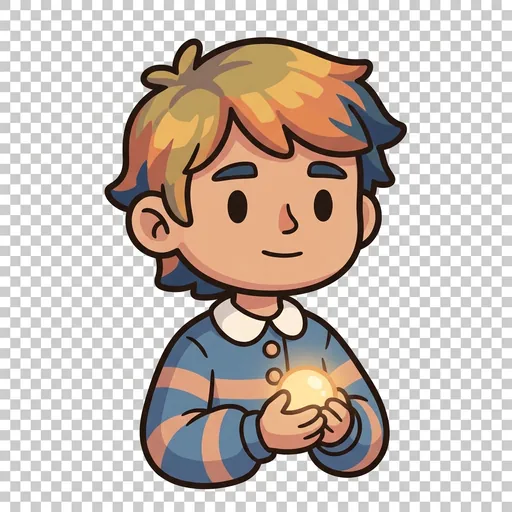
Beacon
Want / engine — moth-tween who walks toward a small floating warm-light she can never quite reach (the want IS her motion)
-

Eight
Contradiction / depth — octopus-tween with eight arms in eight different directions (three forward / three back / two crossed)
-
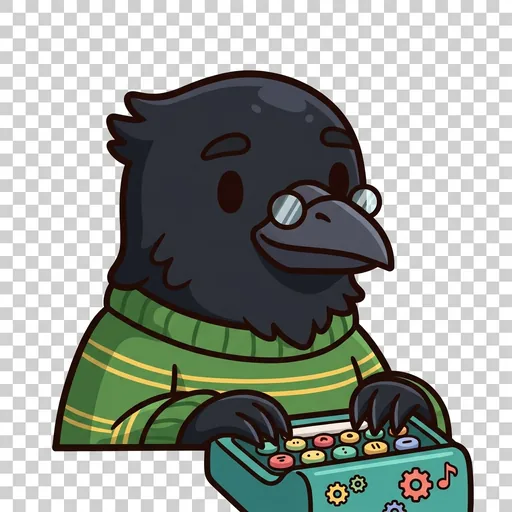
Click
Voice / signature — raven-tween in librarian-glasses with a portable typewriter (same idea, different mouth, different feel)
-
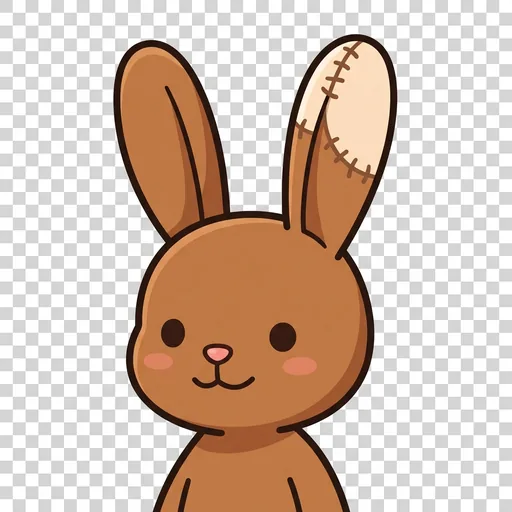
Patch
Backstory / the past — soft brown rabbit-tween with one mended patch on her ear from an old day; everything she does traces back to that healed-over moment
-
Snag
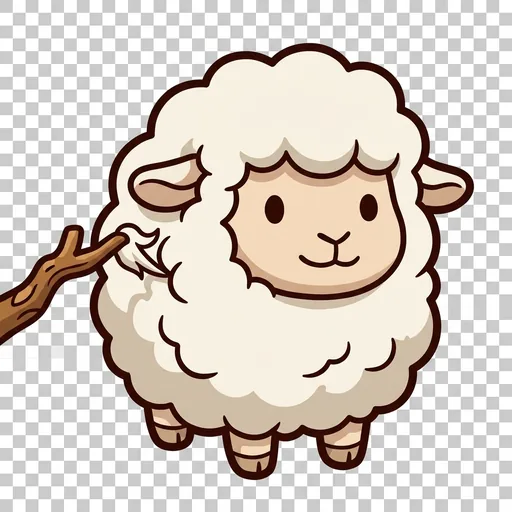
The flaw — round woolly sheep-tween who always takes the left path and snags his wool on the same branch (the repeated mistake that makes a character feel real)
-

Foil
The foil / contrast — thin silvery foil-tween who lies behind another character so their colors show brighter (you see someone best beside who they are not)
-

Molt
The change / arc — hermit-crab-tween who keeps a row of outgrown shells, smallest to largest (a character is not the same at the end as at the start)
-
Fidget
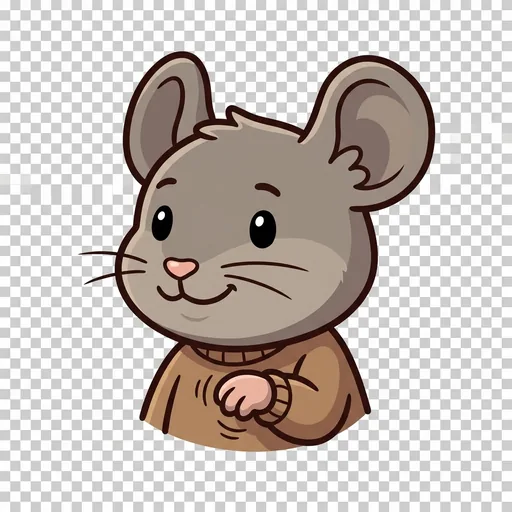
The tell / mannerism — quick grey mouse-tween who taps her paw twice before she speaks (the small repeated gesture that makes a character recognizable)
-

Worth
The stakes — sturdy badger-tween who carries one precious glowing bead in cupped paws (what a character has to lose is what makes us care)