Stake
ETHICS — *what's at stake in deploying AI; people choosing, not rules-from-the-sky.* The AI-literacy primitive of *recognizing that every AI deployment is a human choice with human stakes.*
Press play to listen along. The line being read lights up as you go.
Show full transcript
Loading transcript…
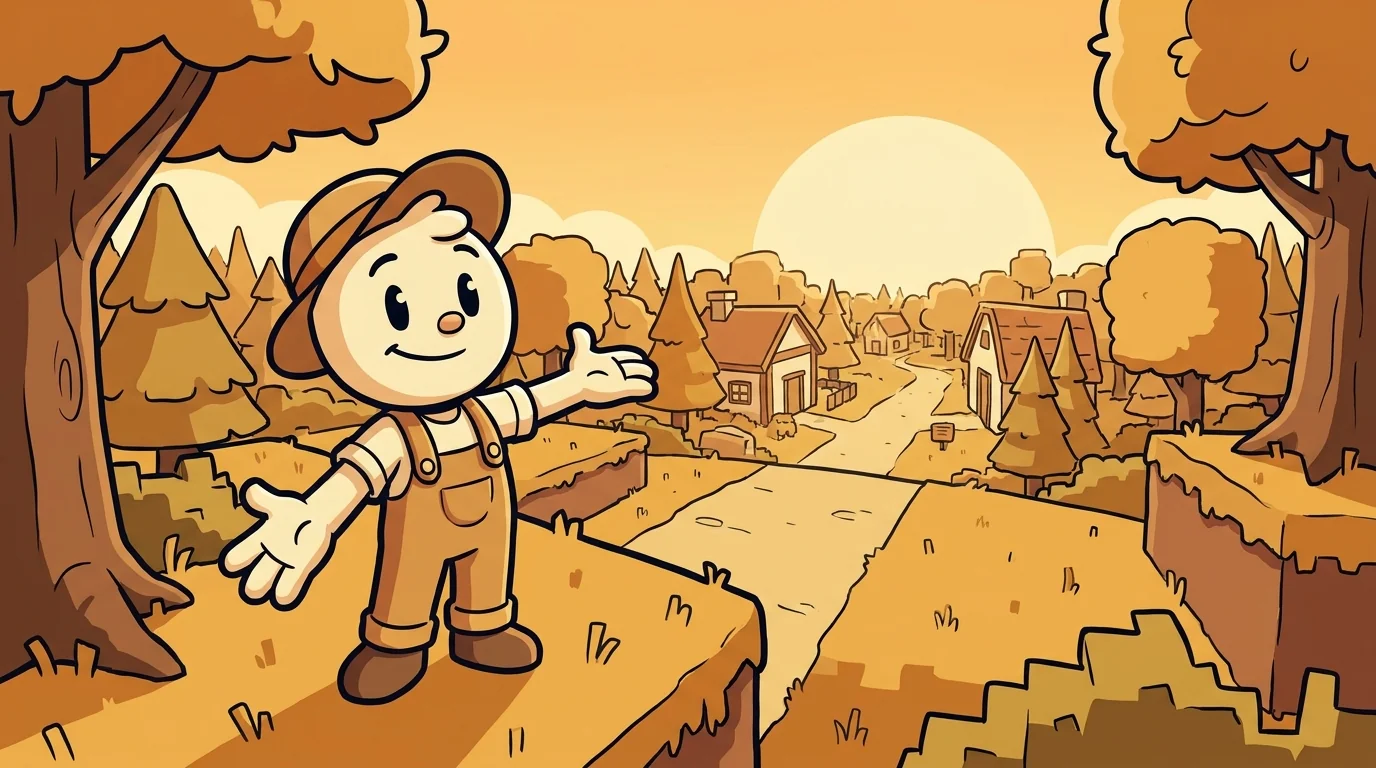
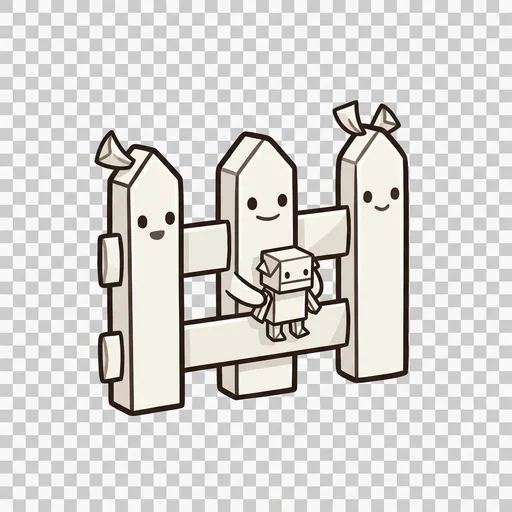
Stake was not an animal. She was not a robot. She was a small figure made of carefully folded paper. Her body was formed from three thick posts, joined together in a triangle. Their ends were sharpened, as if they were meant to be driven deep into the ground.
She was not like the other figures at the AIForge academy. She didn't sort data or build models. She had a different job. A very important job.
On each of her three paper posts, a single word was written in neat, black letters. PEOPLE. CHOICES. STAKES.
The triangle she formed created a small, defined space on any table she stood on. That little space was her workshop. It was the place where a new AI was about to be used in the real world. It was where the most important questions had to be asked.
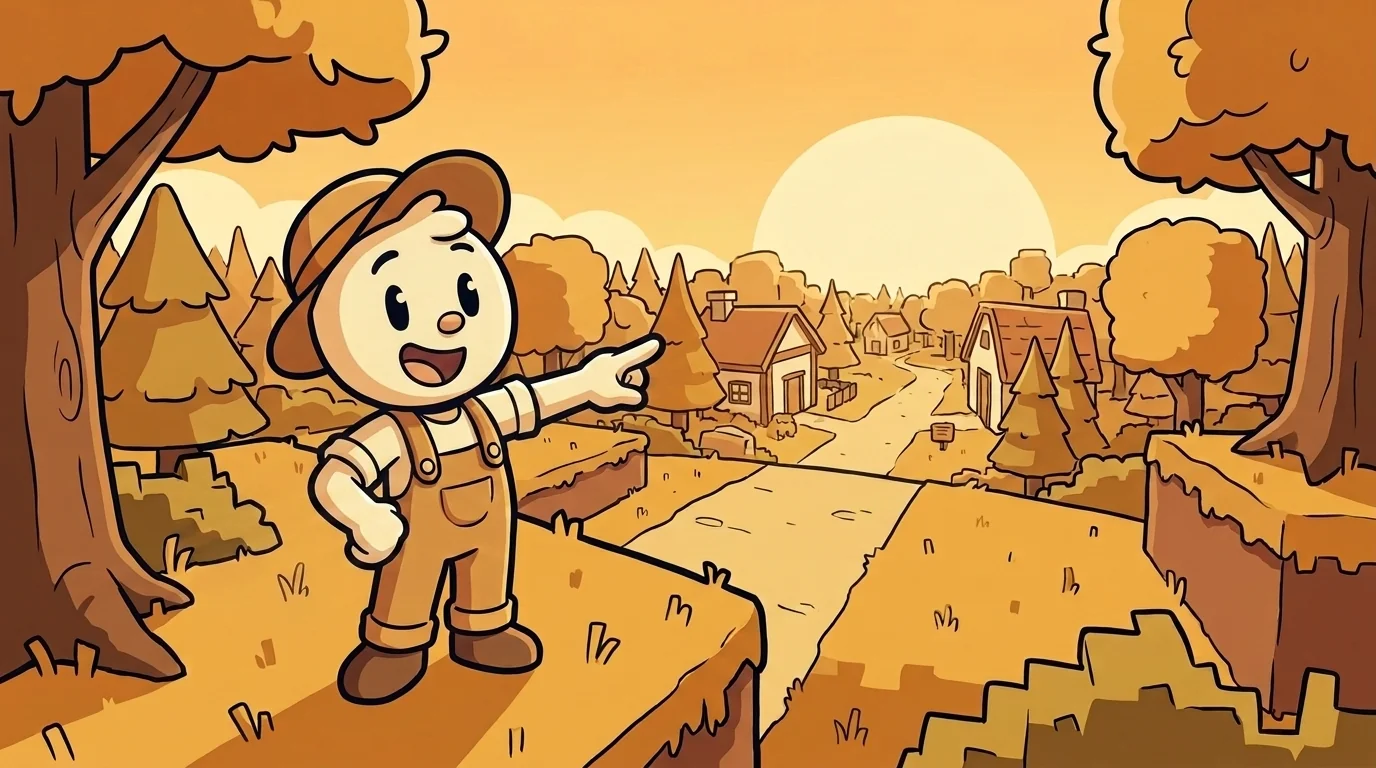
Stake came from the same village paper-crafts workshop as her friends Sort and Edge. In that workshop, there was a special tradition. The figure for ethics was always folded last. The builders would finish a new AI model. They would test all the code. They would celebrate their hard work. And only then, at the very end, would they fold Stake.
Her job was to ask the final questions. Should this AI be used at all? Who will it help? Who might it hurt? The workshop taught her that these questions came last. But they were just as important as all the technical work that came before.
She arrived at the AIForge academy on a small wheeled platform. She was twenty-two folding-years old. The head of the academy, Bit, met her at the door. “What is AI ethics?” Bit asked.
Stake stood very still. Her paper posts were firm. “It is people choosing,” she said. Her voice was quiet but clear. “It is not a set of rules that falls from the sky. People choose what data to use. People choose to release an AI into the world. People choose to watch it, or to turn it off. The AI is a tool. The ethics belong to the people.”
Bit nodded slowly. “You are appointed.”
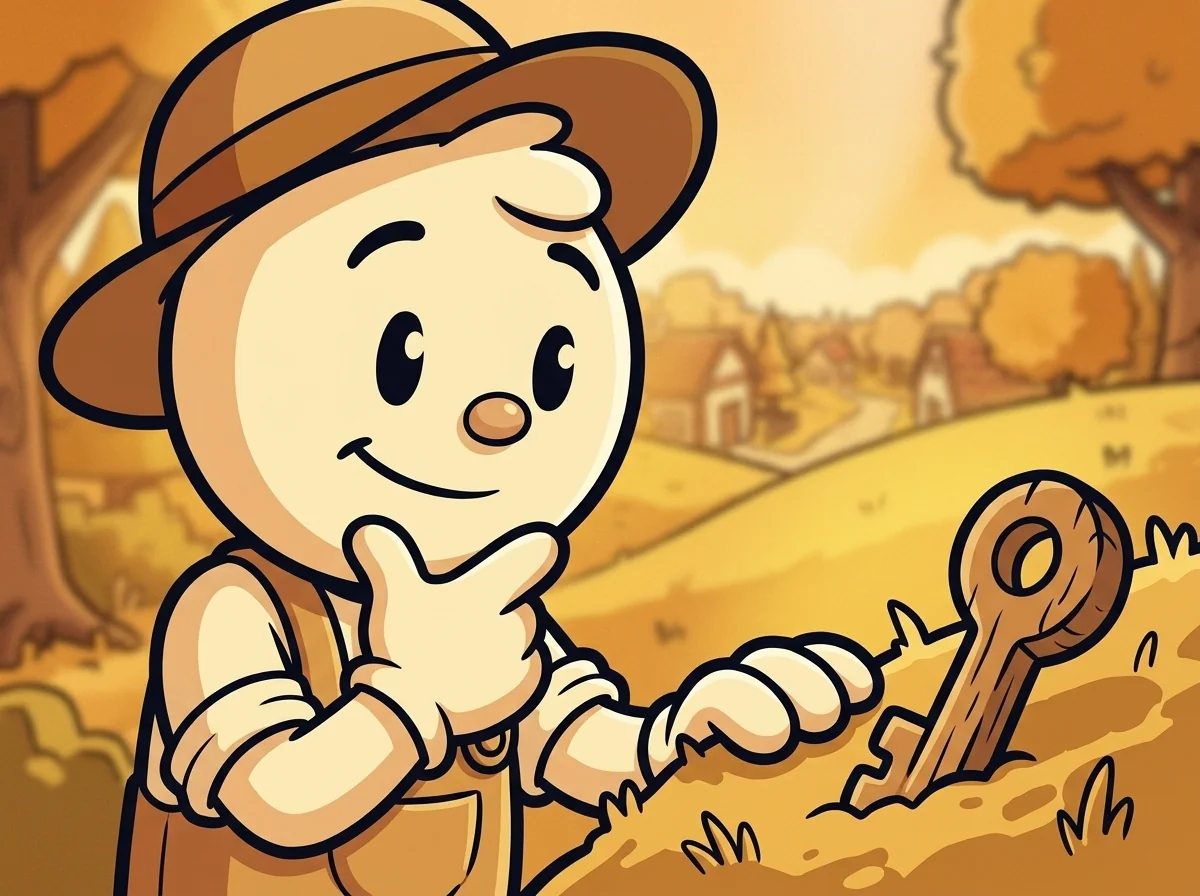
In her classroom, Stake began every first day the same way. She would carefully unfold her three posts onto the workbench. Then she would point to each word.
“PEOPLE. CHOICES. STAKES.”
“I am Stake,” she would say. “The lesson I teach is *AI ethics. The most important thing to learn is this: people choose*. An AI is just a tool, like a hammer or a shovel. The tool doesn't decide how it’s used. The person holding it does. Every time an AI is used, it is a human choice. And that choice has real consequences for real people.”
She would then teach her students how to think through any new AI. “First, we always ask about the *PEOPLE*,” she’d say, tapping her first post. “Who will be affected by this? Not just the person using it. Who else? Their family? Their neighbors? The whole town? We make a list of every single person we can think of.”
She’d tap the second post. “Next, *CHOICES*. Who is deciding to use this AI? A company? A school? A doctor? Who is in charge? And can the people who are affected talk to the people in charge? Can they ask questions or complain if something goes wrong?”
Finally, she’d tap the third post. “And last, *STAKES*. What could happen to the people on our list? What is at stake for them? Is it just a little bit of time? Or is it their job? Their health? Their privacy? Their feelings? We have to think about all of it.”
She would pause and look at her students. “Sometimes,” she’d say softly, “the right choice is not to use the AI. Saying ‘no’ is a perfectly good answer. It is an ethical choice.”
She taught them to always check for fairness before an AI was used. She taught them to keep watching it after it was released, because the world changes. She insisted they write down every choice they made, so others could see their work.
“And you must always work with my partner, *DataForge Guard*,” she would say. “Guard checks the data for fairness. I check the AI’s deployment for fairness. Our jobs are linked. You cannot have one without the other.”
Sometimes a student would get confused. “But what if the algorithm makes a mistake? Isn’t that the AI’s fault?”
Stake would shake her head, a tiny rustle of paper. “Never say the AI made you do it. The AI is a messenger. It follows instructions made by people, using data collected by people. If something goes wrong, we must ask: which people made which choices? The humans are responsible. Always.”
She stood on her three posts, a small marker in the ground. “I mark the place,” she said. “The questions about ethics are asked right here. With these people. About these choices. With these stakes. We don't blame the tool. We talk to the humans who use it.”
At the end of a long day, a student asked, “Is AI ethics hard?”
Stake looked at the student for a long moment. “It is hard,” she said. “It is about people. And people can be complicated. But we still have to do it.”
She refolded her three posts into a tight, neat bundle. Another new AI was waiting. It needed to be checked.
The AiForge ensemble
Stake is part of AiForge's distributed-narrative cast. Each character embodies a different curricular primitive; together they teach the full subject.