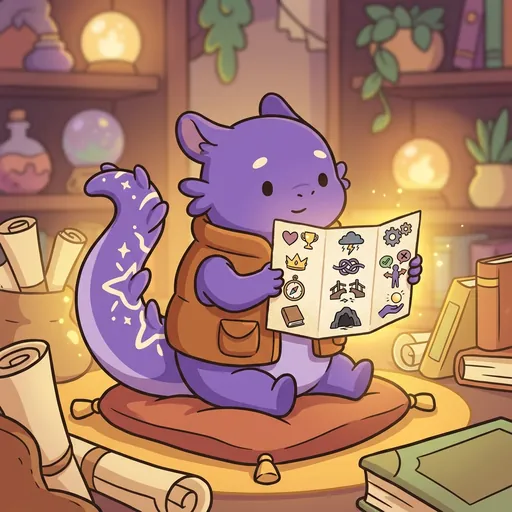
Spine
SPINE — *character-as-tension. wants × fears × contradictions. every character has a NO they keep saying YES to.*
Listen along — Spine
Loading audio…
Press play to listen along. The line being read lights up as you go.
Show full transcript
Loading transcript…
Chapter 2 — Spine and the NO That Becomes a YES
In the workshop, a young writer showed Spine a hero named Bram. “He’s brave,” the writer said proudly. “And kind. And he always knows the right thing to do.”
Spine, a small twilight-purple creature with a many-jointed tail, listened with their head tilted. They set a blank card on the bench and picked up a stub of chalk. “Brave, kind, always right,” they said, writing nothing. “Tell me one thing Bram is scared of.”
The writer thought. “Nothing, really. He’s the hero.”
“Then Bram isn’t a character yet,” Spine said, gently, not unkindly. “He’s a list of good words.” They drew three columns on the card — WANTS, FEARS, CONTRADICTIONS — and slid it across the bench. “Watch what happens when we make him real. What does Bram want more than anything?”
“To be respected by his village.”
Spine wrote it down, tiny claws tapping. “And what’s the worst thing that could happen to him? Not dying. Something smaller. Something that would make his stomach drop.”
The writer was quiet a moment. “Being seen as… ordinary. Just a normal kid.”
“Now.” Spine leaned in. “Does Bram ever, without meaning to, choose the ordinary thing? The safe, easy path that no one respects?”
”…Yeah. He does. All the time.” The writer’s eyes went wide.
Spine capped the chalk. “That’s Bram. Not the brave-kind-always-right list. The kid who wants to be respected and keeps choosing the very things that keep him ordinary — and gets angry about it. That pull, that argument he’s having with himself — that’s where the whole story lives.” They smiled. “Every character has a NO they keep saying YES to.”
Spine hadn’t always known that. They’d learned it as a small creature in the Storyteller Grove, where their family had built story-characters for as long as anyone could remember.
Little Spine had wanted, more than anything, to make a perfect character. A hero with no flaws. Someone brave and clever and good, who never stumbled and never argued with themselves. They worked on it for weeks, filling card after card with shining traits, and when they finally showed their grandmother, they were nearly bursting with pride.
Their grandmother read the card slowly. Then she set it down and said, “Spine, this one makes me feel nothing at all.”
The words landed like a stone in Spine’s chest. Their throat went tight. They had worked so hard, and the person they trusted most had felt nothing. “But I made them good,” Spine whispered. “I gave them every good thing.”
“I know, little one.” Their grandmother pulled Spine close. “But think about you, right now. You want me to be proud. You also fear being ordinary — being just another Grove-child. So you tried to build someone who could never be ordinary.” She tapped the card. “And it came out flat. Because you aren’t flat. You’re pulling in two directions at once, and that tug is the most real thing about you. Your character has none of that. That’s why it’s empty.”
Spine sat with the heavy feeling for a long time. And slowly, it turned into something else — a kind of relief. The mess inside them, the wanting-and-fearing at the same time, wasn’t a problem to fix. It was the material. That night they tore up the perfect hero and started a new card, and this one had a fear on it, and a contradiction, and for the first time, when their grandmother read it, she laughed and then went quiet — feeling something.
Spine walked to TaleForge the year they turned twelve, because a place that studied stories ought to understand the kind of character that argues with itself.
Loom, the teacher who ran the workshops, met them at the gate. Loom didn’t ask Spine to prove they were clever. They asked one question. “What makes a character real?”
Spine didn’t answer with a speech. They picked up a card from Loom’s own bench, one that read only KIND, BRAVE, HONEST, and they added two lines beneath it: wants to be trusted and lies to protect people.
“There,” Spine said. “Now she’s trapped. She wants to be trusted, and the way she keeps people safe is by lying to them. Every choice costs her something.” They handed the card back. “Before, she was a list. Now she can’t get through a single day without a real decision.”
Loom looked at the card for a long moment, at the small contradiction that had turned three flat words into a person. “You belong here,” they said.
One grey afternoon a girl came into Spine’s workshop, slumped and stuck. “My story won’t move,” she said. “My character just… sits there. She does everything right and nothing happens.”
Spine knew that slump. They’d felt it over the perfect hero, years ago. “Tell me what she wants.”
“To join the sailing crew.”
“Good. Sharp. What’s she scared of?”
The girl shrugged. “Failing?”
“Too big,” Spine said, kindly. “What does failing look like for her? Picture the exact moment.”
The girl’s face changed. “Everyone watching her freeze up at the dock. Seeing that she’s afraid of deep water.”
“There it is.” Spine slid her a fresh card. “She wants the crew. She’s afraid of the deep water they sail on. So what does she do?”
“She…” The girl started to smile. “She keeps signing up for crews that never actually go out. Safe little harbour boats. And then she’s mad she’s not a real sailor.”
“Write it down.” Spine watched the chalk move. “She wants the sea and keeps choosing the harbour. That’s her NO she keeps saying YES to. Now your story has somewhere to go — because sooner or later, a real crew is going to ask her to cast off.” They tapped the card. “Every character worth reading is stuck in a fight with themselves. Your job isn’t to fix them. It’s to find the fight.”
The girl was already scribbling, fast now, the story unlocking under her hands.
Later, when the workshop had emptied, the girl came back with one last question. She was quieter.
“When I put a fear and a want that fight each other,” she said, “it feels almost mean. Like I’m hurting my own character on purpose.”
Spine thought about the torn-up perfect hero, and their grandmother’s arm around them, and the heavy feeling that had turned into relief.
“I know that feeling,” they said. “But you’re not hurting her. You’re letting her be a whole person instead of a list of nice words.” They looked toward the window, where the Grove-light was going gold. “The parts of a character that pull against each other — those aren’t the broken parts. They’re the alive parts. It’s the same for us. The things you want and fear at the same time, the habits you keep saying YES to even when you mean NO — that’s not a flaw in you. That’s the proof there’s a real story inside.”
The girl nodded slowly, and Spine watched the stuck, heavy look lift off her shoulders — the same way, long ago, theirs had lifted off. And Spine felt something warm settle in their chest: not the pride of building something perfect, but the quieter, steadier gladness of watching someone stop being afraid of the mess inside them.
The TaleForge ensemble
Spine is part of TaleForge's distributed-narrative cast. Each character embodies a different curricular primitive; together they teach the full subject.
-
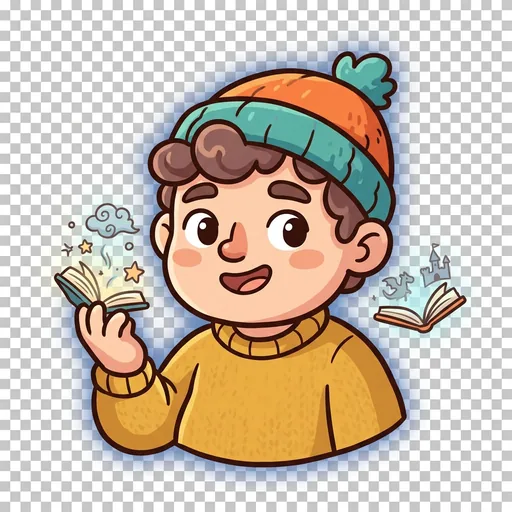
Hook
Story elements — opening as contract with the reader; the first line is a promise; 'Make me lean in. Then keep me leaning.'
-
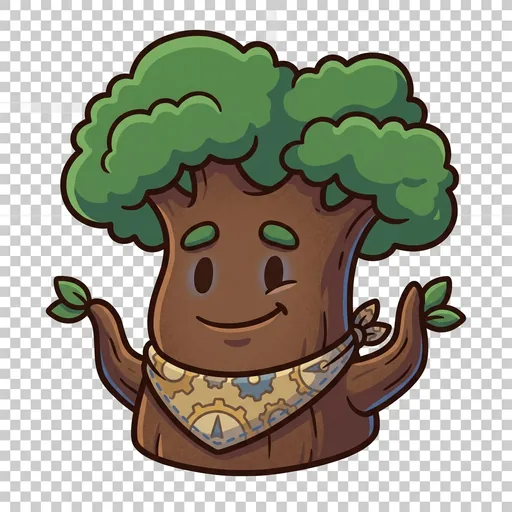
Bough
World-building — coherence-rules-as-promises-the-world-keeps; what the world ALWAYS does + NEVER does (SOFT collision with LinguaQuest Bough — different role/domain/visual)
-

Echoes
Voice + dialogue — voice as listening-craft NOT inherited-by-birth; if two characters could say it, neither one really did
-
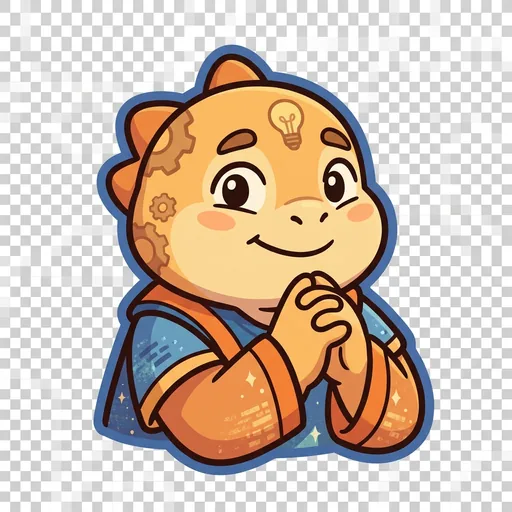
Glimmer
Revision + reflection — first draft as DATA not failure; the second look that makes the first attempt useful
-
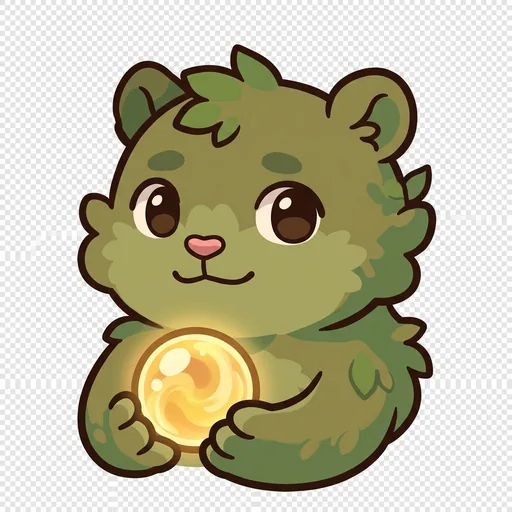
Wager
Stakes — moss-soft creature (they/them) who carries one glowing marble holding everything they'd hate to lose; a story matters when something precious is at risk
-
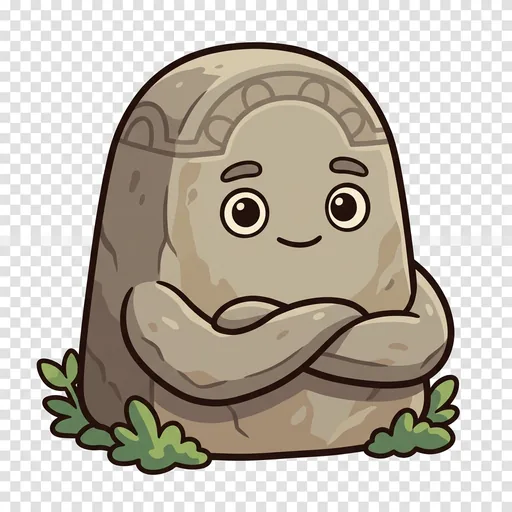
Keystone
World-consistency — kind-eyed stone (they/them) at the center of an arch; an invented world feels real when it keeps its own rules all the way through
-
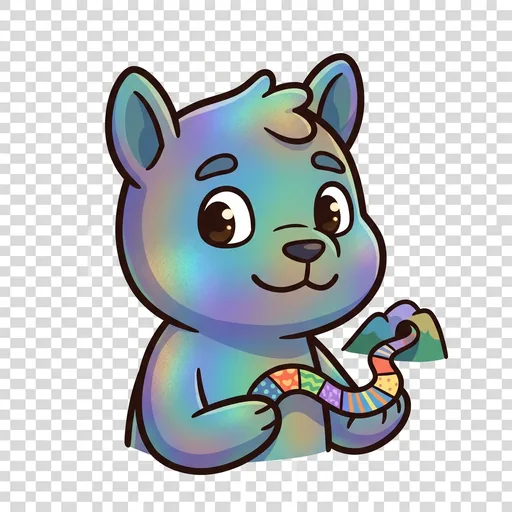
Swerve
The twist — sideways-shimmering creature (they/them) who loves a road that turns; a twist must be surprising AND fair (the clues there all along)
-
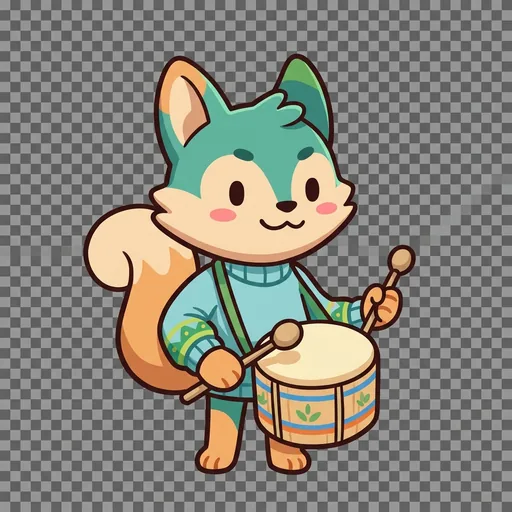
Tempo
Pace / rising tension — lithe creature (they/them) with a self-beating heartbeat-drum; a story breathes, fast and slow on purpose, climbing to its biggest moment
-
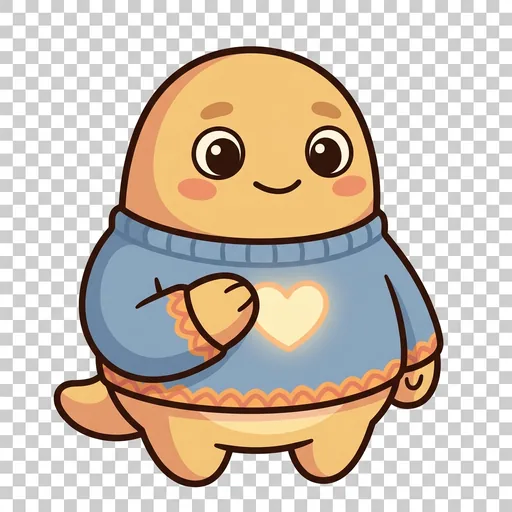
Heart
Theme — soft glowing creature (they/them) who listens for the true thing beating under a story; show the meaning, never announce it like a lesson