Shadow
SHADOW — *the repressed-self. the dark-mirror who is also the hero.*
Listen along — Shadow
Loading audio…
Press play to listen along. The line being read lights up as you go.
Show full transcript
Loading transcript…
Chapter 6 — Shadow and the Mirror That Looks Back
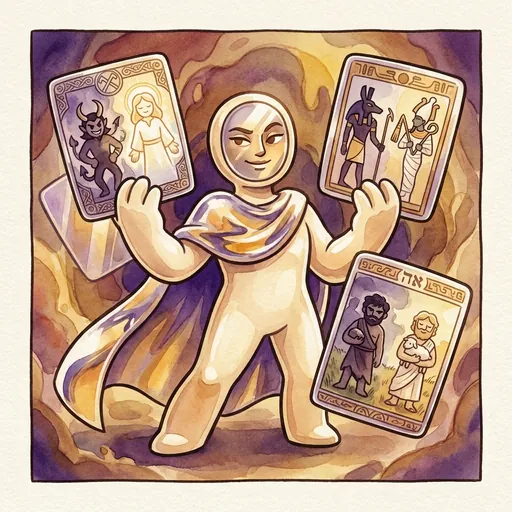
The air in Shadow’s workshop felt different. It was quiet, almost hushed, like a library at dawn. Every surface seemed to shimmer with a faint, inner light. Not bright or glaring, but soft, like polished river stones. A large figure stood near a table covered in cards. This was Shadow.
Shadow was tall, adult-sized, draped in a cloak the color of warm cream. The fabric itself seemed to reflect the room, catching the light and sending it back in gentle waves. It was like looking at a still pond. Shadow turned, a smooth, unhurried motion. “Welcome,” a voice said. It was calm, deep, like the hum of a distant bell. “You’ve found the place where reflections begin.”
On the table, an array of cards lay fanned out. Each card showed two figures, often brothers, standing opposite each other. The art was intricate, hinting at ancient stories. One card depicted two men, one radiating golden light, the other shrouded in a clever, mischievous darkness. Another showed two figures in desert robes, one holding a staff, the other a sickle. A third displayed two young men, one tending flocks, the other tilling the soil, their gazes fixed in a silent challenge.
“These are not just stories of heroes and villains,” Shadow explained, gesturing to the cards. “They show a deeper pattern. The repressed-self. The dark-mirror who is also the hero.”
A student, Leo, stepped closer. He picked up the card with the golden figure and the dark one. “Loki and Baldr,” he murmured, recognizing the Norse gods. “Baldr was good, everyone loved him. Loki was… well, Loki was a trickster. He caused Baldr’s death.”
Shadow nodded slowly. “Many stories simplify them that way. Good versus evil. Light versus dark. But look closer. What talents did Loki possess? What skills did he share with his brother, even if he used them differently?”
Leo frowned, thinking. “Loki was clever. Smart. He could change shape, trick people. Baldr was wise, too, in his own way. And powerful.”
“Indeed,” Shadow said. “Both were powerful. Both were intelligent. Both could sway others. One chose to build, to bring light. The other chose to disrupt, to sow chaos. But the capacity for those actions, the raw talent, was often shared. This is the disowned-self-mirror.”
Leo tilted his head. “Disowned-self mirror? What does that mean?”
“It means,” Shadow explained, picking up the card with the desert figures, “that sometimes, the qualities we dislike most in another person are qualities we refuse to see in ourselves. The parts of us we push away, pretend aren’t there. These become our ‘shadows.’ And sometimes, those shadows appear as an enemy who is surprisingly like us.”
Shadow pointed to the desert card. “These are Set and Osiris from Egyptian tradition. Often seen as brothers, one bringing life, the other destruction. But in some ancient framings, they were two sides of a single royal power. Set, the desert god of chaos, was not simply ‘evil.’ He represented the wild, untamed forces necessary for balance, though his actions often brought suffering.”
“So, like, if I’m really good at drawing, but I hate when someone else draws better than me, and I try to mess up their art,” Leo began, “is that my shadow?”
Shadow smiled, a faint, knowing curve of the lips. “That’s a good start. You recognize a shared talent. And you see how one might react to that talent in another, especially if they feel threatened or inadequate. The mirror-pattern is clear: you share a skill, but your choices diverge. One creates, the other tries to destroy. The part of you that feels jealous, that wants to mess up their art – that’s a part you might not want to admit exists. You disown it.”
“But it’s bad to mess up someone’s art,” Leo insisted.
“Yes, it is,” Shadow agreed. “And the work is not to embrace the destructive action. The work is to recognize the impulse. To understand why you felt it. To integrate that understanding, so you can choose a different path next time. It’s about integration, not destruction.”
Shadow moved to the last card, the one with the farmers. “Cain and Abel, from Hebrew and Christian traditions. Brothers. Both offered sacrifices. One was accepted, one was not. Cain’s jealousy led to murder. But both were sons, both worked the land, both sought favor. Cain’s rage, his feeling of being unloved – these were parts of him he couldn’t control, couldn’t integrate. He projected them onto his brother, seeing Abel as the problem.”
“So, the enemy isn’t always just an enemy,” Leo mused. “Sometimes, they’re like… a twisted reflection?”
“Precisely,” Shadow confirmed. “Not every villain is a Shadow-pattern. Most antagonists are simply people with opposing goals. But the Shadow is specific: it’s the enemy who shares your core talents, your potential, but makes opposite choices. It’s the part of yourself you refuse to acknowledge, reflected back at you.”
Leo thought about the bullies at school. Were they his shadows? He didn’t think so. They didn’t share his talents for, say, coding or writing. They just seemed mean. But what about that time he’d gotten really angry at his best friend for winning a competition he thought he deserved? He’d said some hurtful things, things he regretted. Was that his shadow? The part of him that was envious, that wanted to win at all costs?
“This isn’t about blaming the victim or excusing bad behavior,” Shadow added, sensing Leo’s internal debate. “It’s about understanding the deep patterns in stories, and in ourselves. It’s about recognizing that sometimes, the greatest battles are fought within. And the goal is not to ‘kill’ that inner shadow, but to understand it, to learn from it, and to integrate it into a stronger, more complete self.”
Shadow picked up a blank, polished mirror-card. “Don’t think you can destroy what is also yourself. Recognize it; integrate it; the journey changes you.” The words hung in the quiet air, a gentle challenge.
“The repressed-self. The dark-mirror who is also the hero.”
The MythForge ensemble
Shadow is part of MythForge's distributed-narrative cast. Each character embodies a different curricular primitive; together they teach the full subject.
-
Trickster
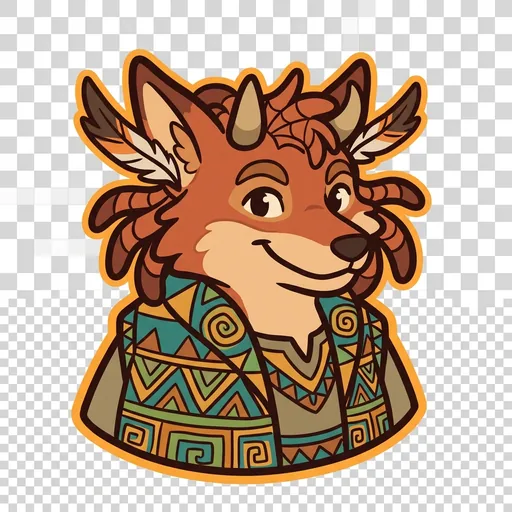
The boundary-crosser who teaches through inversion. Recurs across nearly all traditions (Anansi, Coyote, Loki, Hermes, Maui, Ijapa).
-
Hero-King
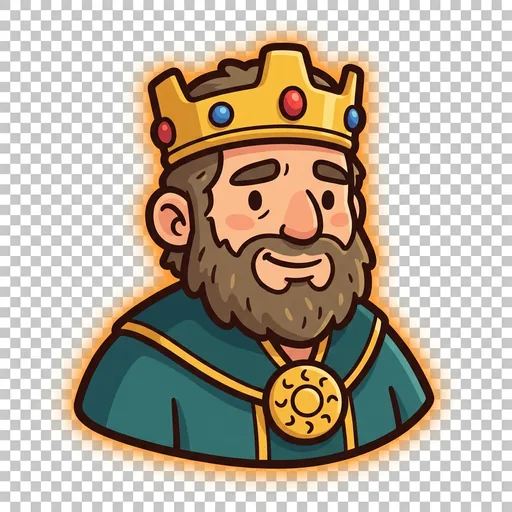
The reluctant ruler called to a journey (Campbell's central figure: Gilgamesh, Odysseus, Arjuna, Beowulf, Cuchulain).
-
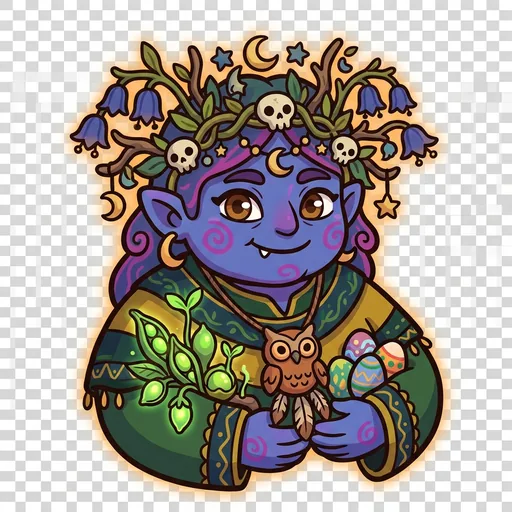
Devouring-Mother
The dark-creator / death-and-renewal force (post-Jungian; surfaces as Kali-aspect / Hel / Coatlicue / Hecate). **High trauma load.**
-
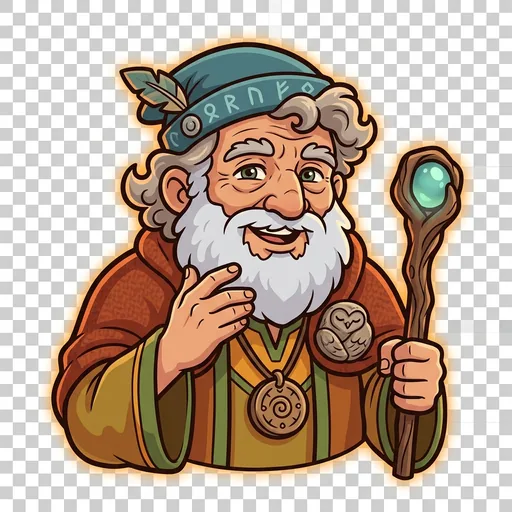
Wise-Elder
The mentor-figure who knows the path but cannot walk it for the hero (Athena, Odin-as-wanderer, Krishna-as-advisor).
-
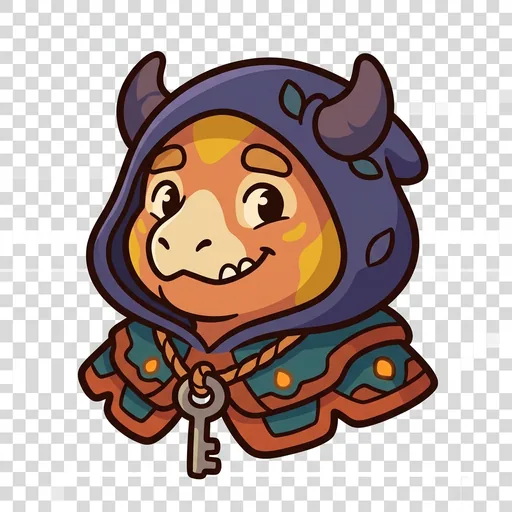
Threshold-Guardian
The figure that tests whether the hero is ready to cross (Sphinx, Cerberus, the dragon at the gate, the riddling stranger).
-

Anima/Animus (paired)
The complementary-other-self (Jungian); represented as a pair-character that always appears together, embodying the inner-other-gendered-self pattern that surfaces across many t...
-
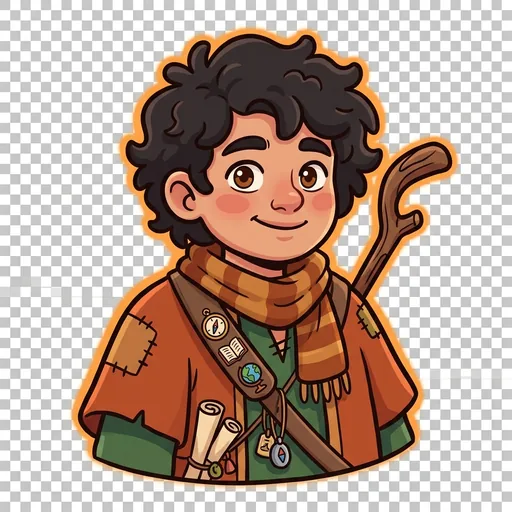
Wanderer
The journeyer-without-fixed-home who carries stories between cultures (Odysseus-after-Ithaca, the wandering Jew, the diaspora-keeper figure).
-
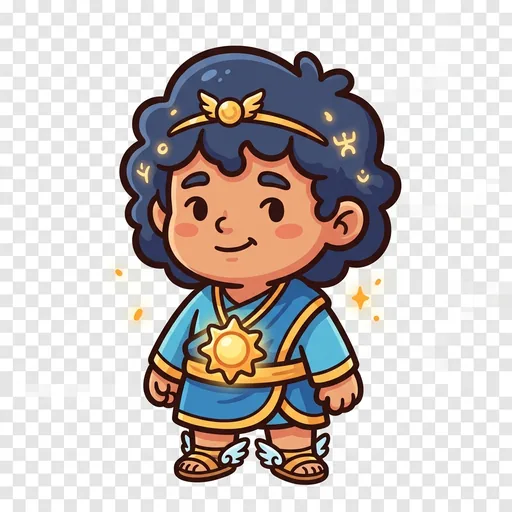
Child-Divinity
The newborn-with-power archetype (infant Krishna, baby Hermes, child Horus, divine-child motif).
-
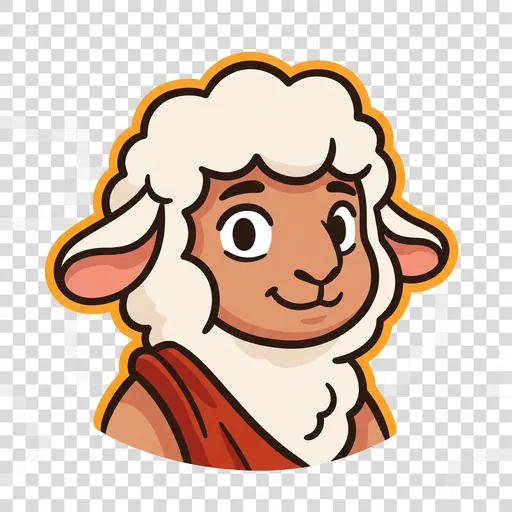
Sacrificial-Lamb
The figure whose loss enables renewal (cross-traditional: dying-and-rising deities, scapegoat figures, voluntary-sacrifice motif).
-
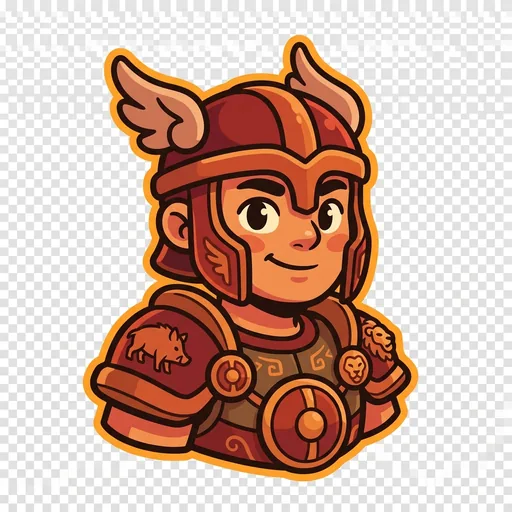
Warrior
The conflict-pattern-bearer (Ares, Tyr, Sekhmet-aspect, the warrior-figure across many traditions).
-
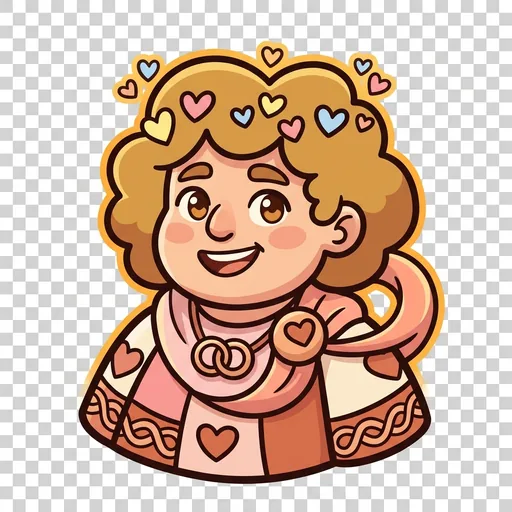
Lover
The relational-bond-bearer (Aphrodite-aspect, the romantic-mythic pair, the bond-that-shapes-the-world archetype).
-
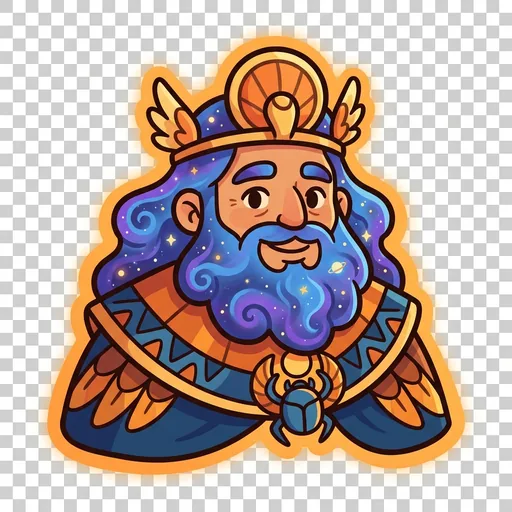
Sovereign
The cosmic-order-keeper archetype (Zeus-aspect, Odin-as-ruler, Ra-as-cosmic-king, Quetzalcoatl-aspect).
-
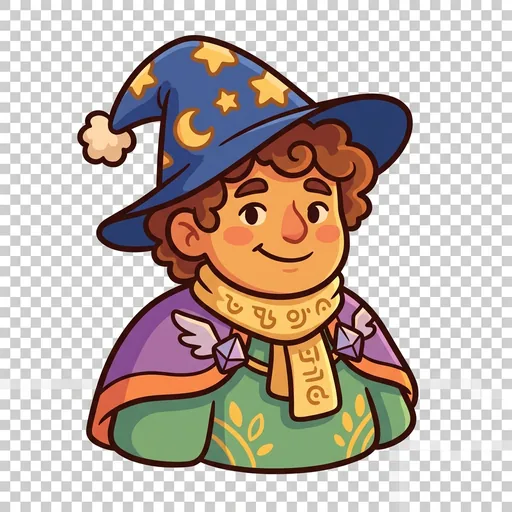
Magician
The transformation-bearer (Hermes-Trismegistus, Tezcatlipoca-aspect, Merlin, the alchemist-figure, the shape-shifter pattern).