
Hero-King
HERO-KING — *the reluctant ruler called to a journey.*
Listen along — Hero-King
Loading audio…
Press play to listen along. The line being read lights up as you go.
Show full transcript
Loading transcript…
Chapter 2 — Hero-King and the Reluctant Call
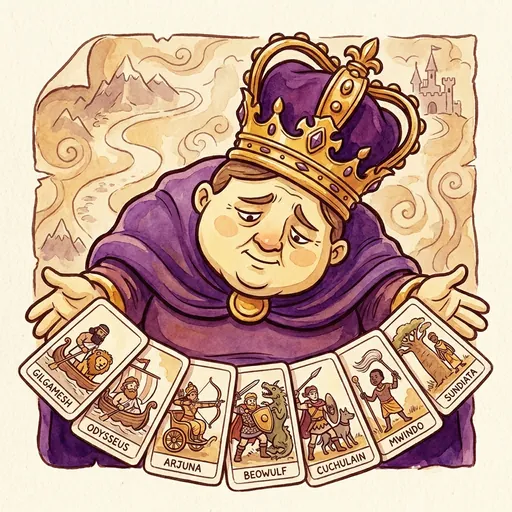
Hero-King wasn’t a person, not exactly. He was more like a feeling, a heavy presence in the room. He stood tall, a chunky-cartoon figure. His shoulders seemed to carry the weight of the world. A golden crown, too heavy for his head, tilted just so. He was warm, though, like cream in a mug on a cold day. That warmth radiated despite the serious look on his face. He often said, “The reluctant ruler called to a journey.”
His workshop was a quiet place, filled with the scent of old paper and polished wood. Maps covered one wall, showing ancient kingdoms and forgotten paths. On another, a complex chart traced lines between myths. But the most important thing was his call-card-set. These weren’t just any cards. They were thick, hand-drawn images, each one glowing with a faint, inner light. They showed a journey, a pattern that repeated across time and cultures. Hero-King called it the journey-pattern-display.
He pointed to the first card, a figure with a powerful build. “Look here,” he rumbled, his voice deep but gentle. “This is Gilgamesh, from ancient Mesopotamia. His closest friend, Enkidu, dies. Gilgamesh is called to seek immortality, to escape the same fate. He doesn’t want to face death. He’s reluctant, terrified of his own end.”
He moved to another card, showing a weary sailor on a stormy sea. “Then there’s Odysseus, from the Greeks. After the long Trojan War, he’s called home. But twenty years of trials, monsters, and angry gods stand in his way. He just wants to get back to his family, to his island of Ithaca. He never asked for this epic struggle.”
“And Arjuna,” Hero-King continued, tapping a card depicting a warrior on a chariot. “He’s a warrior from Hindu tradition. He stands on the battlefield of Kurukshetra, called to fight his own family members. He doesn’t want to raise his bow against them. He needs the divine counsel of Krishna to even begin his terrible duty. These aren’t the same stories. They come from different times and places. But do you see the pattern? The moment of being called, and the hesitation that comes with it?”
Hero-King wasn’t teaching history. He was teaching something bigger, something fundamental about stories themselves. He called it the called-and-reluctant-journey. “It’s about noticing the journey pattern,” he explained, his gaze sweeping over the cards. “A hero gets a clear call to adventure. Sometimes they refuse it, at least at first. Then a mentor appears to guide them. They cross a threshold into a new, often dangerous world. They face trials, a great ordeal, and then a profound transformation. Finally, they return, changed forever.”
This sequence, he said, was the monomyth. “Mono means one,” he told his listeners. “A single, underlying story structure that shows up everywhere. Think of it like a universal blueprint for big adventures, no matter where or when they happen.”
He tapped a card depicting Beowulf, the Anglo-Saxon hero. “Beowulf is called to defeat the monster Grendel. He doesn’t have to go. He chooses to, out of a sense of duty and honor. Cuchulain, from Ireland, is called to defend Ulster. He’d rather stay home with his family, but duty pulls him into battle.”
The pattern, Hero-King stressed, was not about specific heroes being identical. “Gilgamesh belongs to Mesopotamia. Arjuna belongs to the Hindu tradition. Each hero is unique. Their stories are sacred to their cultures. But the journey itself, the way it unfolds, often follows the same steps.”
“Don’t think power makes you ready,” Hero-King rumbled, his voice echoing slightly in the quiet room. “The journey makes you ready. Many heroes don’t want the role. They feel the weight of it, the immense responsibility. That reluctance, that hesitation to step forward, is often a sign of true worthiness. It means they understand the stakes involved. They aren’t seeking glory; they are answering a call.”
He showed cards for Mwindo, a hero from the Nyanga people of Central Africa, and Sundiata, the founder of the great Mali Empire in West Africa. “These heroes, like the others, are called to great deeds,” Hero-King explained. “They face incredible challenges, often against impossible odds. Their journeys are their proving grounds, the crucible where their true character is forged.”
Hero-King frowned slightly, a rare expression that deepened the lines around his eyes. “Some people think all heroes are the same,” he said, his voice losing a touch of its usual warmth. “That’s wrong. The pattern recurs, yes. But the specifics differ wildly. Ignoring those differences flattens the rich tapestry of human stories. It disrespects the unique cultures that created them.”
“And some older studies of the monomyth focused too much on European stories,” he continued, his gaze firm. “That’s also wrong. Modern comparative mythology makes sure to honor heroes like Mwindo and Sundiata. It includes many other traditions, from every corner of the world. We study patterns respectfully, always celebrating the specific stories first.”
He gestured to a large, flowing diagram on the wall. “This framework, this journey-craft, connects with other tools you might see. Like TaleForge Spine, StrategyForge Foresee, and ImprovQuest Leap. They all use aspects of this journey.”
In his workshop, the call-card-set showed the journey in five simple steps: refused; accepted; trialed; transformed; returned. Same pattern, different traditions.
Hero-King nodded slowly. “I am the Hero-King pattern,” he said. “The primitive I teach is the called-and-reluctant-journey. The move is this: honor specifics, study patterns. The journey is the worthiness.”
His voice softened, almost a whisper. “Don’t think power makes you ready. The journey makes you ready. And don’t flatten traditions. Honor the specific heroes who belong to their cultures.”
He looked out, his gaze sweeping across the room. “The reluctant ruler called to a journey.”
The MythForge ensemble
Hero-King is part of MythForge's distributed-narrative cast. Each character embodies a different curricular primitive; together they teach the full subject.
-
Trickster
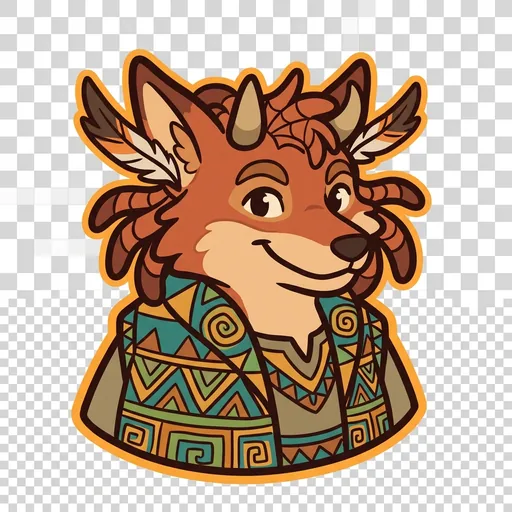
The boundary-crosser who teaches through inversion. Recurs across nearly all traditions (Anansi, Coyote, Loki, Hermes, Maui, Ijapa).
-
Devouring-Mother
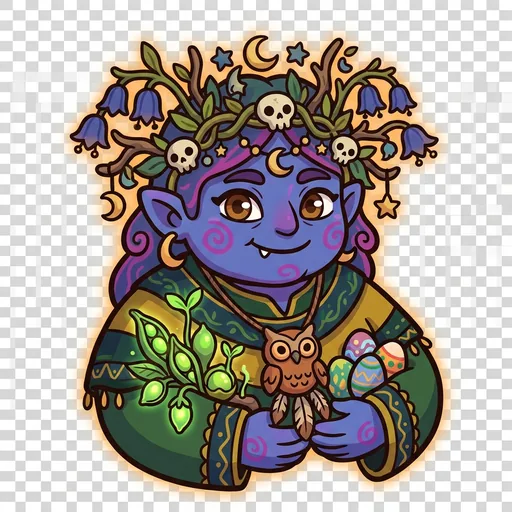
The dark-creator / death-and-renewal force (post-Jungian; surfaces as Kali-aspect / Hel / Coatlicue / Hecate). **High trauma load.**
-
Wise-Elder
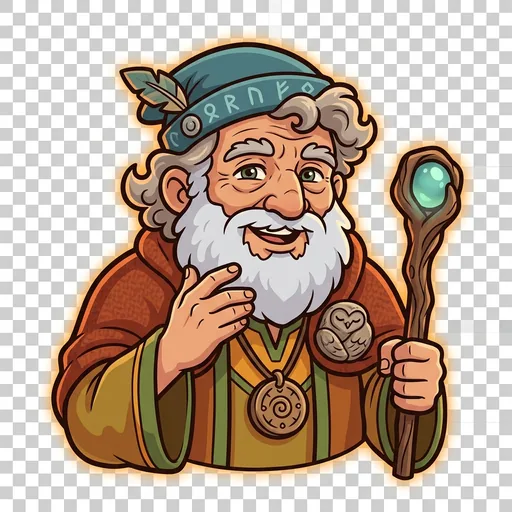
The mentor-figure who knows the path but cannot walk it for the hero (Athena, Odin-as-wanderer, Krishna-as-advisor).
-
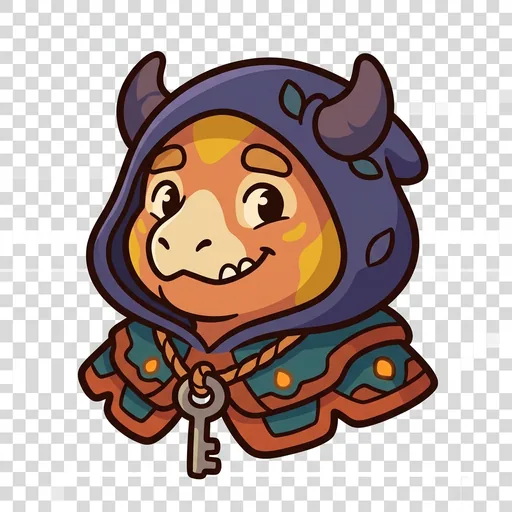
Threshold-Guardian
The figure that tests whether the hero is ready to cross (Sphinx, Cerberus, the dragon at the gate, the riddling stranger).
-
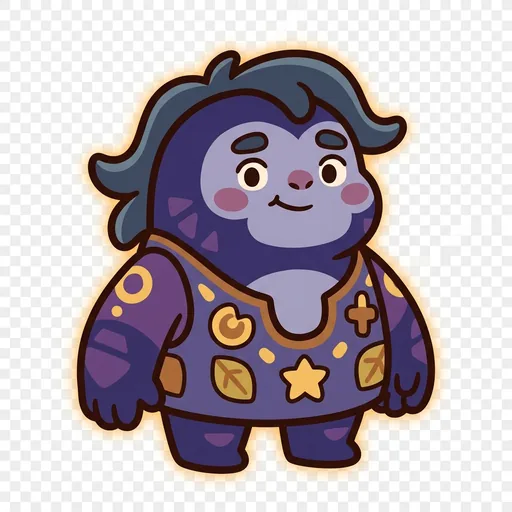
Shadow
The repressed-self / dark-mirror (Jungian core archetype; surfaces as the hero's nemesis-who-is-also-them: Loki/Baldr, Set/Osiris, Cain/Abel framings).
-

Anima/Animus (paired)
The complementary-other-self (Jungian); represented as a pair-character that always appears together, embodying the inner-other-gendered-self pattern that surfaces across many t...
-
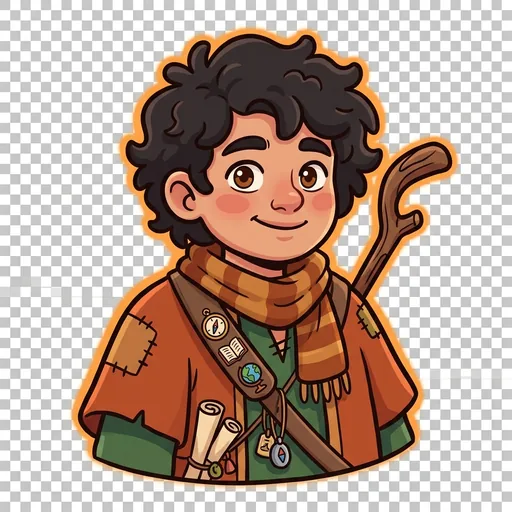
Wanderer
The journeyer-without-fixed-home who carries stories between cultures (Odysseus-after-Ithaca, the wandering Jew, the diaspora-keeper figure).
-
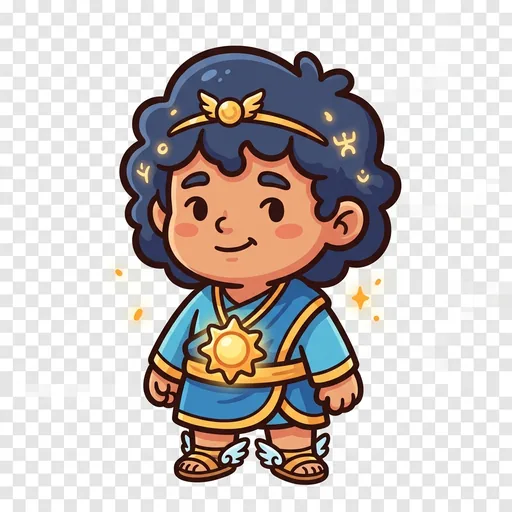
Child-Divinity
The newborn-with-power archetype (infant Krishna, baby Hermes, child Horus, divine-child motif).
-
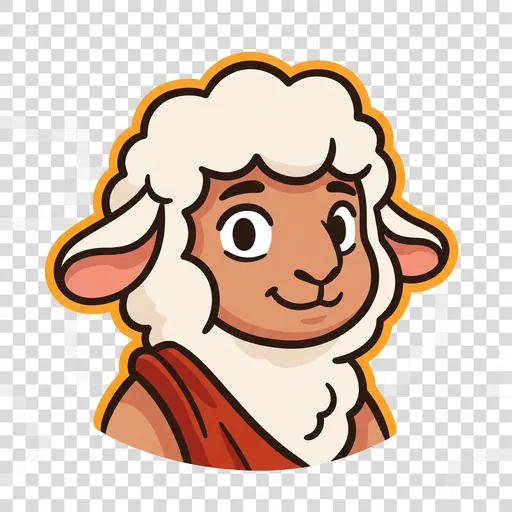
Sacrificial-Lamb
The figure whose loss enables renewal (cross-traditional: dying-and-rising deities, scapegoat figures, voluntary-sacrifice motif).
-
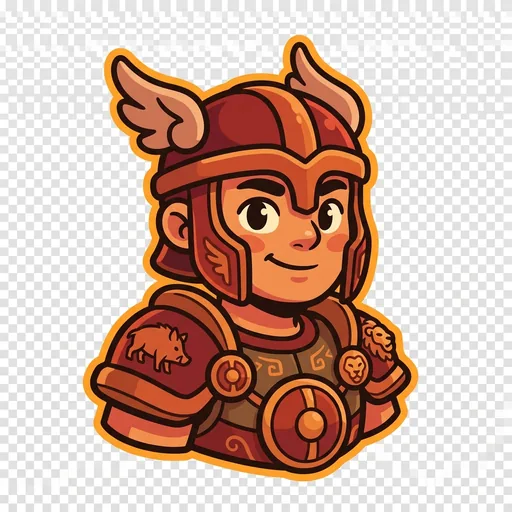
Warrior
The conflict-pattern-bearer (Ares, Tyr, Sekhmet-aspect, the warrior-figure across many traditions).
-
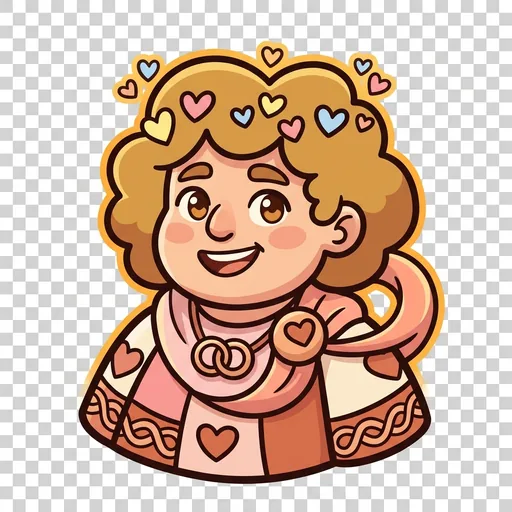
Lover
The relational-bond-bearer (Aphrodite-aspect, the romantic-mythic pair, the bond-that-shapes-the-world archetype).
-
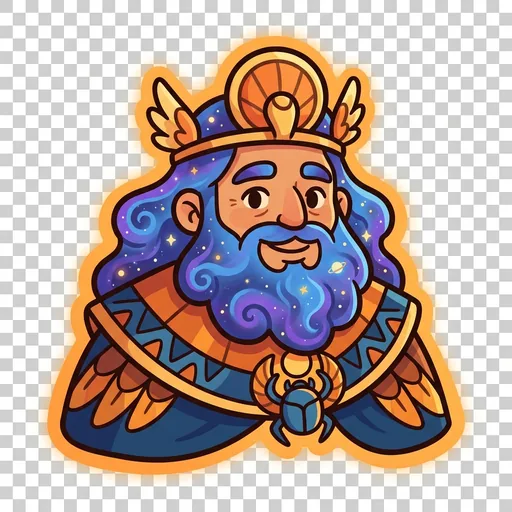
Sovereign
The cosmic-order-keeper archetype (Zeus-aspect, Odin-as-ruler, Ra-as-cosmic-king, Quetzalcoatl-aspect).
-
Magician
The transformation-bearer (Hermes-Trismegistus, Tezcatlipoca-aspect, Merlin, the alchemist-figure, the shape-shifter pattern).