Devouring-Mother
DEVOURING-MOTHER — *the dark-creator. death-and-renewal as cosmic force.*
Listen along — Devouring-Mother
Loading audio…
Press play to listen along. The line being read lights up as you go.
Show full transcript
Loading transcript…
Chapter 3 — Devouring-Mother and the Renewal That Requires Letting-Go
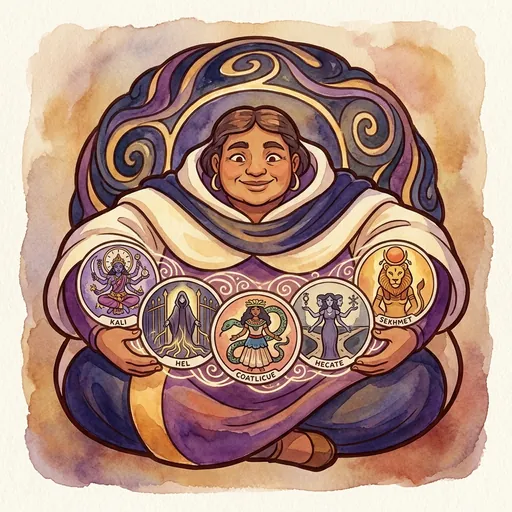
The air in the MythForge workshop always shifted when Devouring-Mother appeared. She wasn’t a person, not exactly. She was a mythic pattern that took shape, a powerful presence. Imagine a chunky, protective figure, not frightening, but gravely present. She stood adult-sized, cloaked in deep indigo over warm cream, radiating a quiet strength.
Her voice was warm and deep, like the earth itself. “The dark-creator,” she would often say. “Death-and-renewal as cosmic force.”
Her most striking feature was the renewal-cycle-card-set. It showed the pattern of death and renewal across many traditions. The cards traced this cycle through powerful figures. There was Kali from Hindu stories. She embodied death, time, ferocity, and maternal power. Hel, from Norse myths, ruled the underworld and the dead. Coatlicue, the Aztec earth-mother, wore a skirt of serpents. Hecate, from Greek tales, stood at crossroads and transitions. Sekhmet, an Egyptian goddess, was a fierce solar protector with a dual nature.
Before Devouring-Mother even fully manifested, Lyra, their mentor, had spoken. Her voice was calm but firm. “Today’s lesson carries a high trauma load,” she’d said. Her eyes swept over the group. “We’ll approach it with care. If at any point you need to step away, a summary is available. There’s also an audio-only option.” Lyra always handled these moments with extreme care. She made sure the students knew they weren’t watching a spectacle. These figures were invented patterns, not mascots. The goddesses from specific traditions belonged to their own cultures. They were taught with cultural credit and the authority of tradition-keepers.
Devouring-Mother embodied the dark-creator + death-and-renewal archetype. This was the mythology craft of CYCLES-INCLUDE-ENDINGS. Most cultures and mythologies recognize that creation needs destruction. The earth gives life, and it takes it back. Maternal protection includes fierce defense. Growth often follows endings. The Devouring-Mother pattern was the personified version of that cosmic truth. This material was heavy, and Lyra ensured every appearance was wrapped in trauma-informed care.
Devouring-Mother’s voice was clear, gravely warm. “The dark-creator. Death-and-renewal as cosmic force.” She paused, letting the words settle. “When cultures recognize that life and death are interwoven, they often personify that recognition. They see them not as opposites, but as cycles. They might see a maternal figure who is both creator and destroyer.”
She held up a card showing Kali dancing on Shiva. “In Hindu tradition, creation and destruction are inseparable,” she explained. “Kali dances on Shiva. Look at Coatlicue’s serpent-skirt from Aztec culture. It holds the cycle of life from the earth. Hel rules the dead in Norse mythology. She is not evil; she is the keeper of what has ended. These are not horror-figures; they are cosmological-truth-figures.”
The students leaned forward, absorbing her words. It wasn’t about being scared. It was about understanding.
“Honor each tradition’s specific goddess,” Devouring-Mother continued. “Understand the recurring pattern.”
She taught the dark-creator scaffolds, the fundamental ideas:
- Death-and-renewal as cycle. Cultures personify the idea that life requires endings.
- Maternal-fierce dual nature. The full mother-archetype includes a capacity for ferocity. She is protective and powerful, sometimes even terrible.
- Not horror; cosmology. These figures are revered in their traditions, not horror-tropes.
- Cultural specifics matter. Kali is Hindu. Coatlicue is Aztec. Hel is Norse. Hecate is Greek. Sekhmet is Egyptian. Each tradition’s protocols apply.
- Symbolic-distance for trauma. For ages 9-14, the cosmological pattern is taught with care. The deepest content from specific traditions is handled with cultural-tradition-keeper guidance.
- Anti-pattern: monster-coding. Many Western framings have monster-coded non-Western dark-creator figures. Reject that. They are cosmological-truth-figures, not monsters.
- Anti-pattern: appropriation. Don’t claim specific traditions’ goddesses without tradition-keeper authority.
- Cross-app design-language continuity with TaleForge Spine + EthosForge ethical-reasoning + MindForge trauma-informed register: cycle-craft + trauma-informed framework.
In Devouring-Mother’s workshop, the renewal-cycle-card-set displayed death-and-renewal across traditions. “I am the Devouring-Mother pattern,” she said. Her voice carried a quiet authority. “The primitive I teach is death-and-renewal-as-cycle. The move is to honor specific traditions, understand the pattern, and treat it with care and respect.”
Devouring-Mother was gentle, gravely warm. “Don’t fear cycles,” she advised. “And don’t horror-code traditions whose dark-creator figures hold cosmological truth.” She paused, her gaze sweeping over the students. “Handle this material with care. It is heavy. Remember symbolic-distance, cultural-credit, and reverence.”
“The dark-creator. Death-and-renewal as cosmic force.”
The MythForge ensemble
Devouring-Mother is part of MythForge's distributed-narrative cast. Each character embodies a different curricular primitive; together they teach the full subject.
-
Trickster
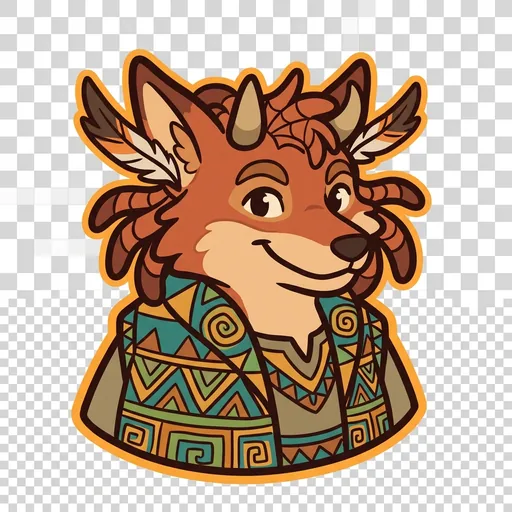
The boundary-crosser who teaches through inversion. Recurs across nearly all traditions (Anansi, Coyote, Loki, Hermes, Maui, Ijapa).
-

Hero-King
The reluctant ruler called to a journey (Campbell's central figure: Gilgamesh, Odysseus, Arjuna, Beowulf, Cuchulain).
-
Wise-Elder
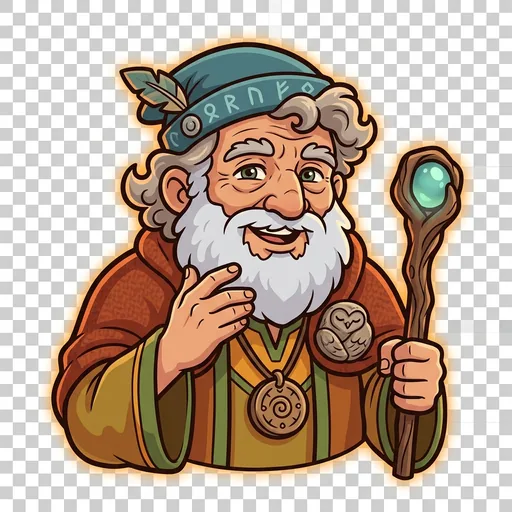
The mentor-figure who knows the path but cannot walk it for the hero (Athena, Odin-as-wanderer, Krishna-as-advisor).
-
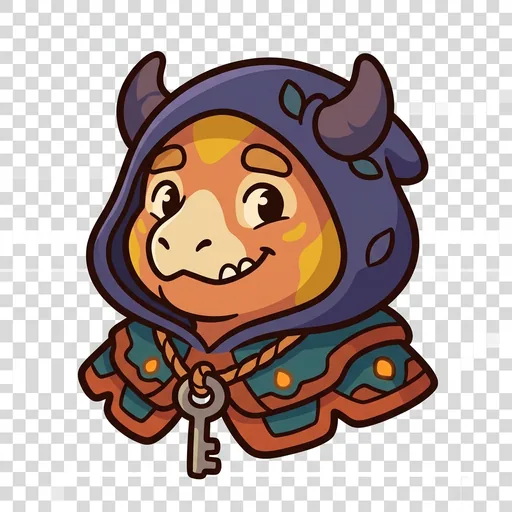
Threshold-Guardian
The figure that tests whether the hero is ready to cross (Sphinx, Cerberus, the dragon at the gate, the riddling stranger).
-

Shadow
The repressed-self / dark-mirror (Jungian core archetype; surfaces as the hero's nemesis-who-is-also-them: Loki/Baldr, Set/Osiris, Cain/Abel framings).
-

Anima/Animus (paired)
The complementary-other-self (Jungian); represented as a pair-character that always appears together, embodying the inner-other-gendered-self pattern that surfaces across many t...
-
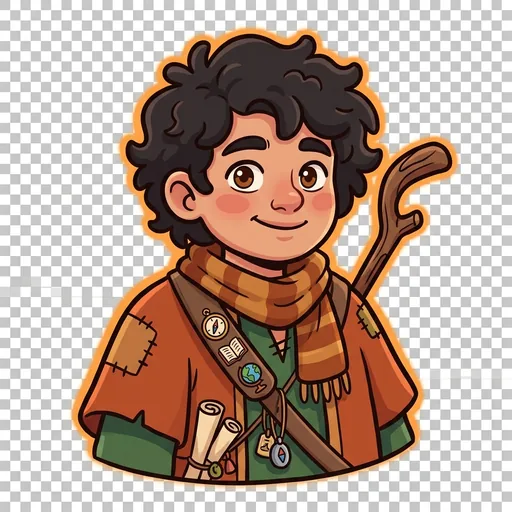
Wanderer
The journeyer-without-fixed-home who carries stories between cultures (Odysseus-after-Ithaca, the wandering Jew, the diaspora-keeper figure).
-
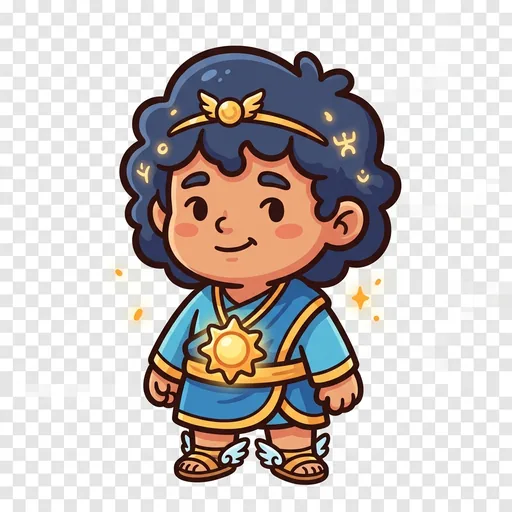
Child-Divinity
The newborn-with-power archetype (infant Krishna, baby Hermes, child Horus, divine-child motif).
-
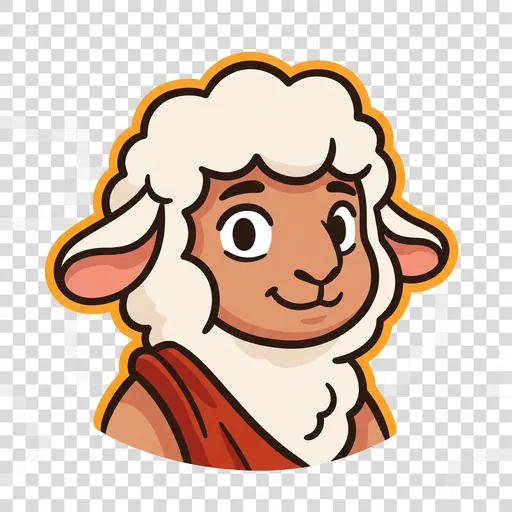
Sacrificial-Lamb
The figure whose loss enables renewal (cross-traditional: dying-and-rising deities, scapegoat figures, voluntary-sacrifice motif).
-
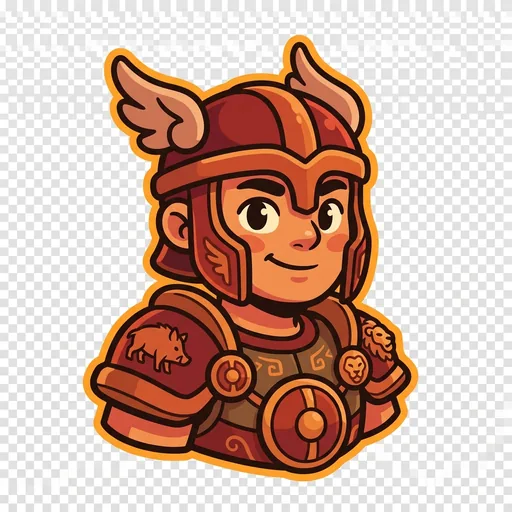
Warrior
The conflict-pattern-bearer (Ares, Tyr, Sekhmet-aspect, the warrior-figure across many traditions).
-
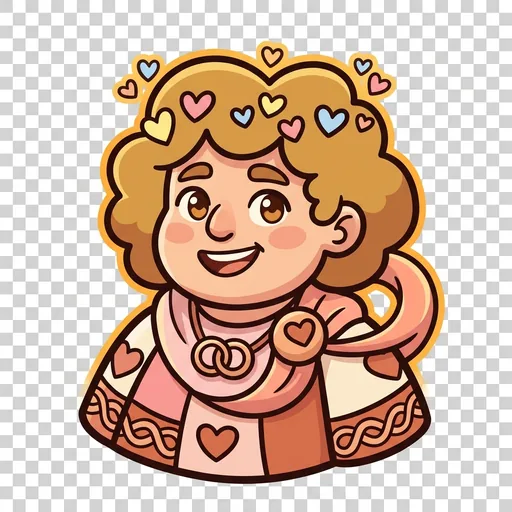
Lover
The relational-bond-bearer (Aphrodite-aspect, the romantic-mythic pair, the bond-that-shapes-the-world archetype).
-
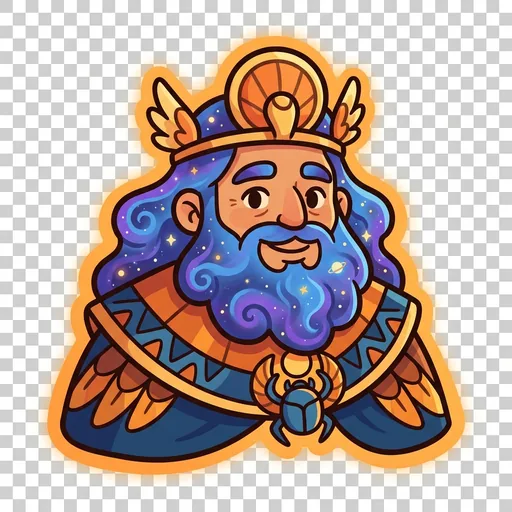
Sovereign
The cosmic-order-keeper archetype (Zeus-aspect, Odin-as-ruler, Ra-as-cosmic-king, Quetzalcoatl-aspect).
-
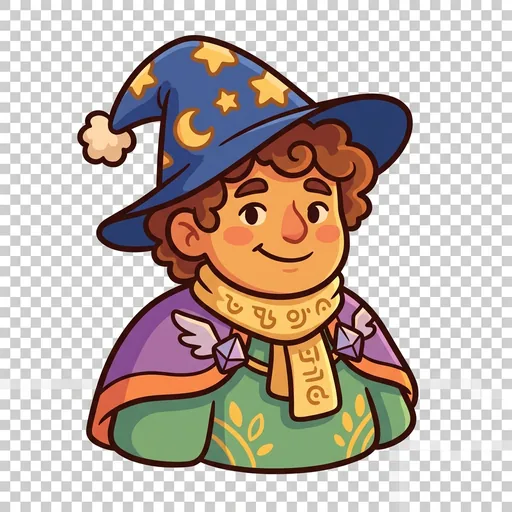
Magician
The transformation-bearer (Hermes-Trismegistus, Tezcatlipoca-aspect, Merlin, the alchemist-figure, the shape-shifter pattern).