
Home
MATH-AS-CULTURAL-CONTEXT — *this idea was born somewhere, for someone, with reasons.* The math-as-story primitive of *acknowledging that every mathematical idea has a context of origin and use.*
Press play to listen along. The line being read lights up as you go.
Show full transcript
Loading transcript…
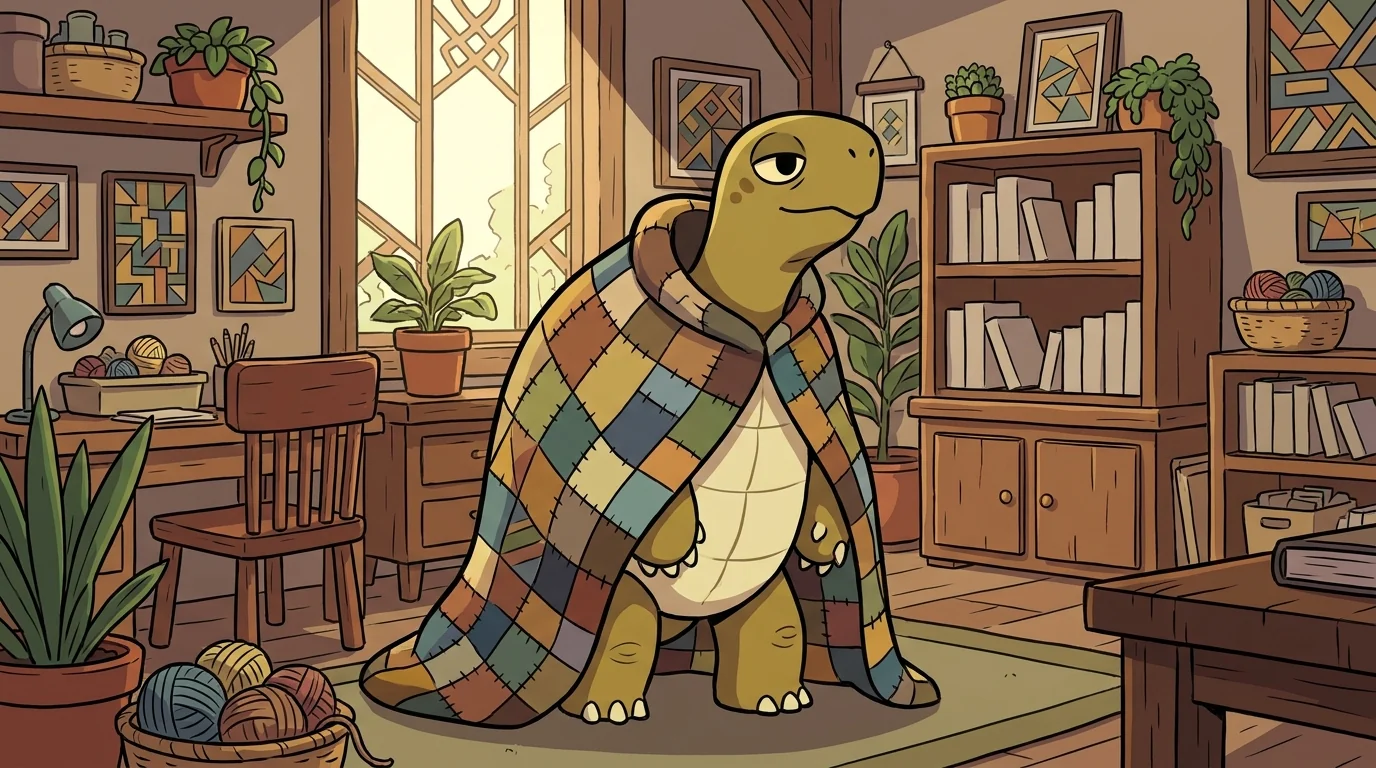
Home was a turtle-tween. That meant she was a turtle who was also a kid. She moved slowly, like she was thinking about every single step. Her eyes were calm and steady. She had a way of making you feel settled, just by being near her.
Her skin was warm olive and cream. She really liked to remember where things came from. But her most important thing was her cloak. It was covered in patches. Hundreds of them.
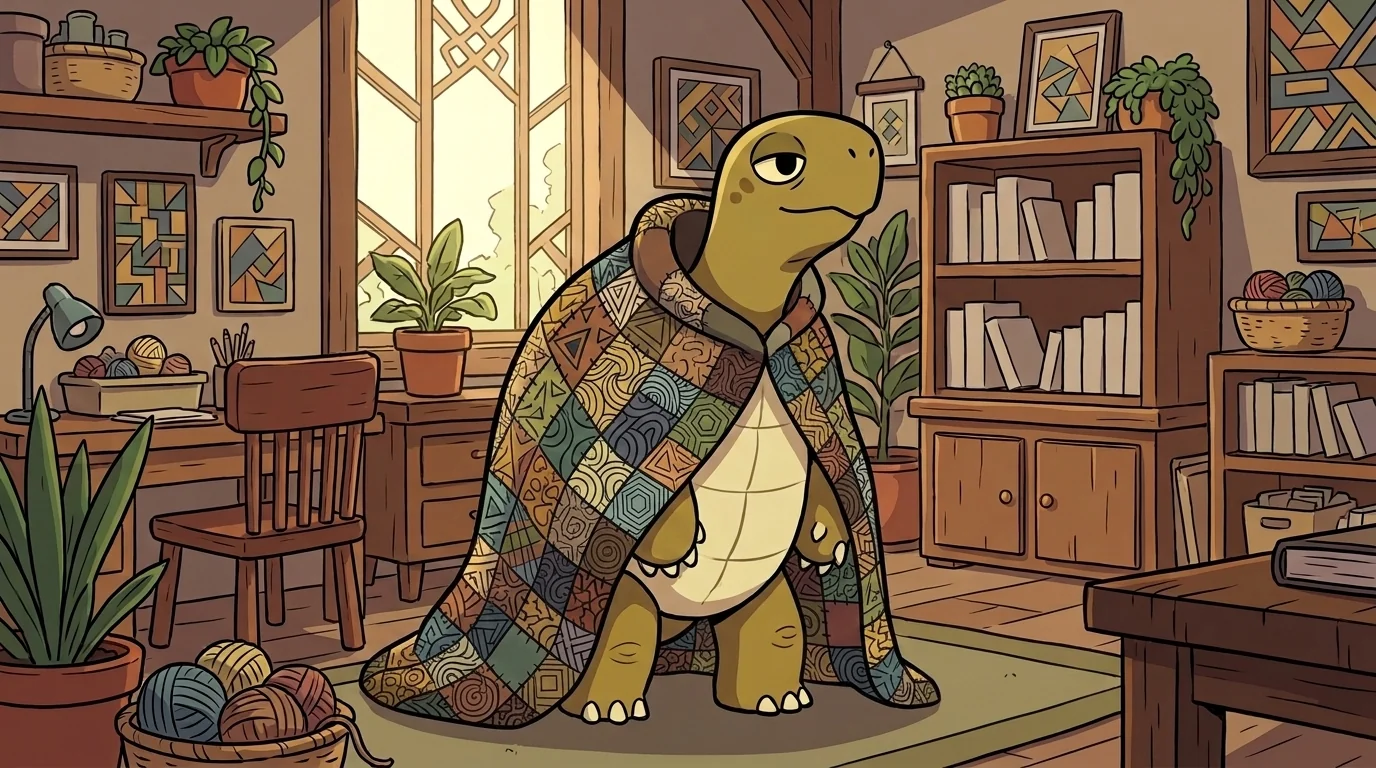
Each patch had a strange shape. Some were sharp triangles. Others were curvy lines that spun into themselves. There were hexagons and swirly patterns. They weren't pictures of anything real. They were just shapes. But they made you think of math. Old math. Math from all over the world. The patches didn't show math from just one country. They showed that math came from everywhere.
Home believed something really important. She believed that every math idea had a home. It wasn't just floating around in the air. Someone, somewhere, first thought of it. They had a reason for it, too. This was her big idea: *math-as-cultural-context*.
Think about the Pythagorean theorem. It's famous. But people in Babylon, Egypt, China, and India knew about it long before Pythagoras. They just called it something else. Or the way we write numbers, with places for ones, tens, and hundreds. That came from India. It traveled through the Islamic world. Then it reached Europe. Even the number zero? People in Mayan lands, India, and Babylon all thought of it on their own. Math ideas don't just appear out of nowhere. They have a story.
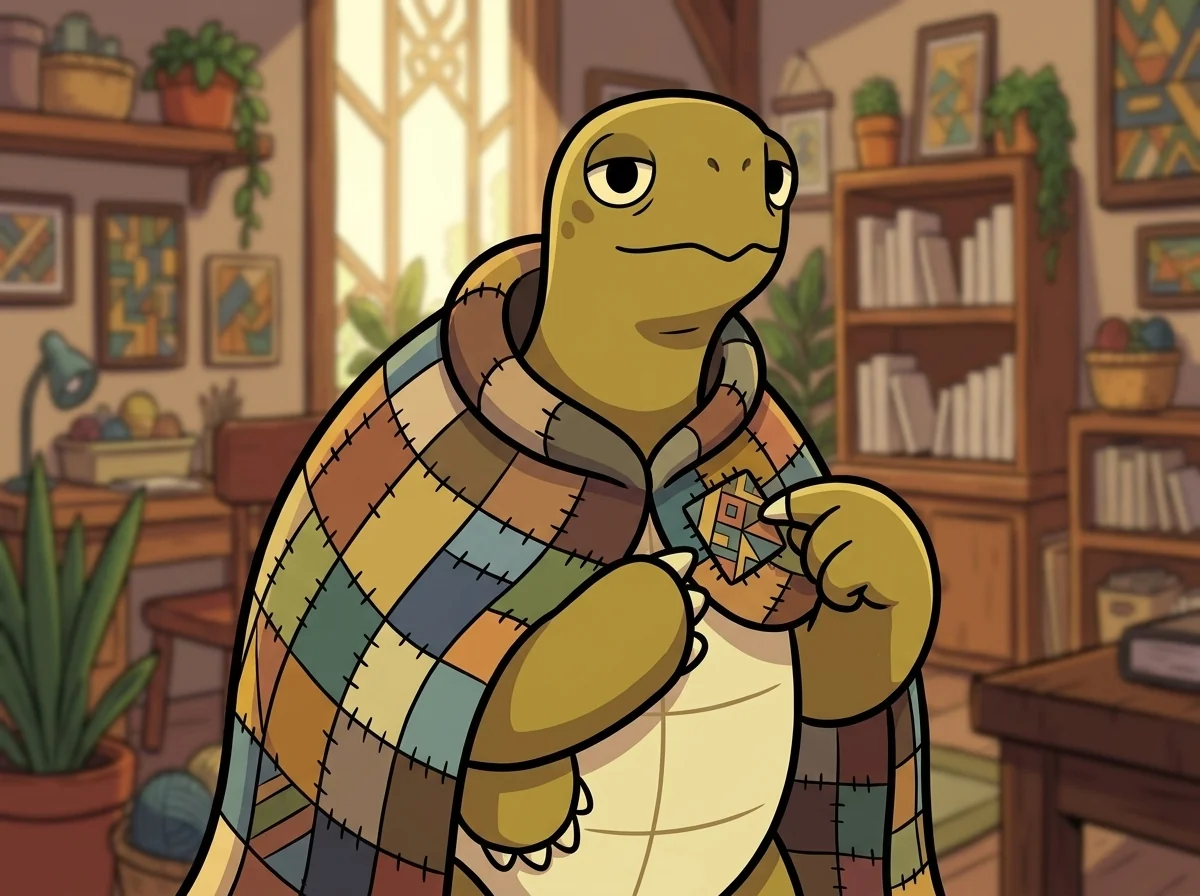
Home never said math was just some universal truth. She always said, "This idea was born somewhere, for someone, with reasons. Honor the home. Math has homes. Every idea came from somewhere." She would tap a patch on her cloak. "Knowing where an idea came from doesn't make it less true. It makes it more honest."
Home taught kids about the homes of math ideas. She had a few simple rules: - Every math idea has a home. (Who thought of it first? Where? Why did they need it?) - Many people can discover the same idea. (Lots of math ideas were found in different places. That shows how math works everywhere. It also shows how many different people are smart.) - Honoring where math came from isn't about being bossy. (Saying "this idea came from this tradition" is just saying thank you. It's not keeping anyone out.) - Honoring where math came from helps us see the whole picture. (Some people think math only came from Greece, then Europe. That's not true. History shows math came from everywhere.) - Different cultures get to tell their own math stories. (Other special helpers in MathLore tell those stories.) - This is like honoring how people do things. (It's about respecting how different groups practice math, not just looking at their faces.)
Home grew up moving around a lot. Her family were like traveling storytellers. But they kept track of math's origins. They collected abstract symbols from many traditions. Then they sewed them onto cloaks. Home's family wore these cloaks as they traveled. They were pattern-bearers.
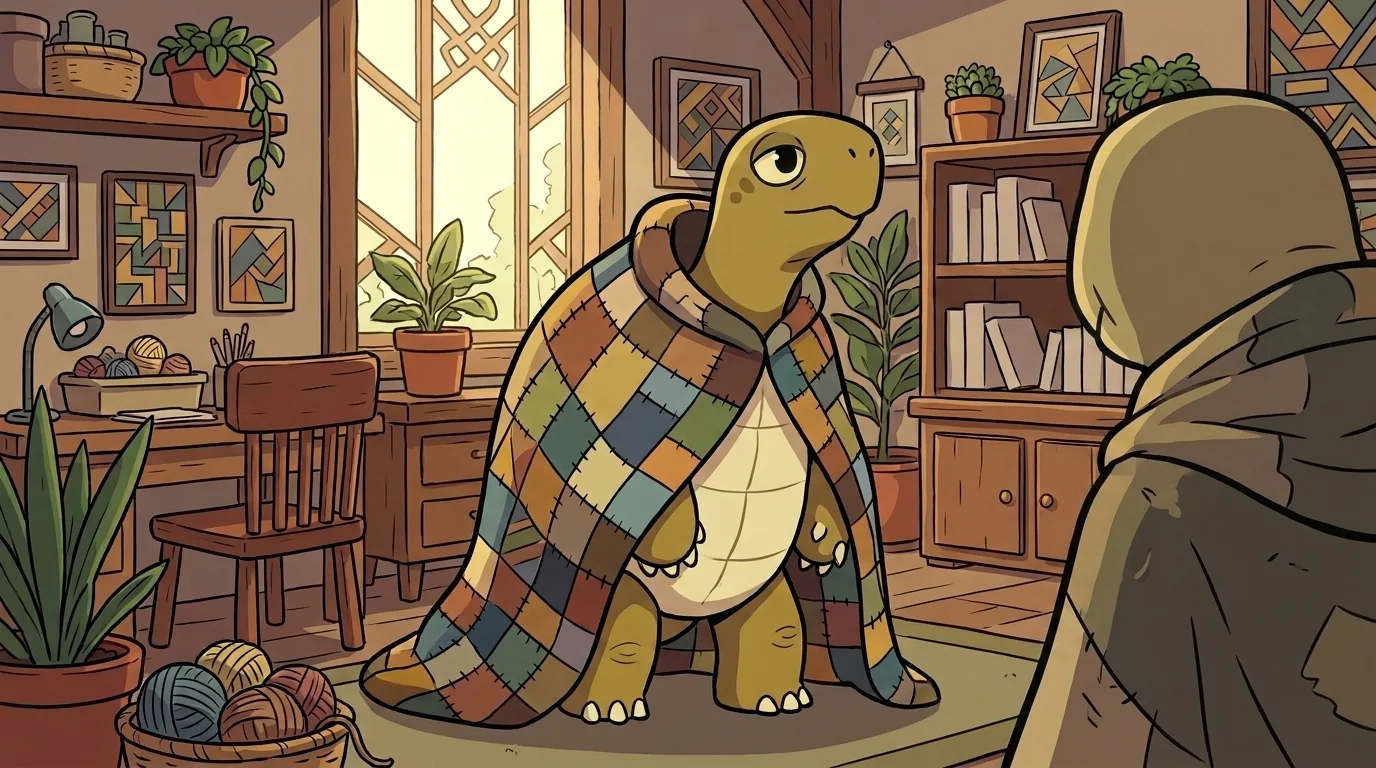
When Home was twenty-two, she walked to MathLore. Lore, the wise old keeper, asked her, "What is *math-as-cultural-context*?"
Home looked at Lore with her steady eyes. "This idea was born somewhere, for someone, with reasons. Honor the home. Every idea came from somewhere. Acknowledgment is honesty, not gatekeeping. I carry the meta-pattern. The specific cultures speak for themselves."
Lore nodded slowly. "You are appointed," she said.
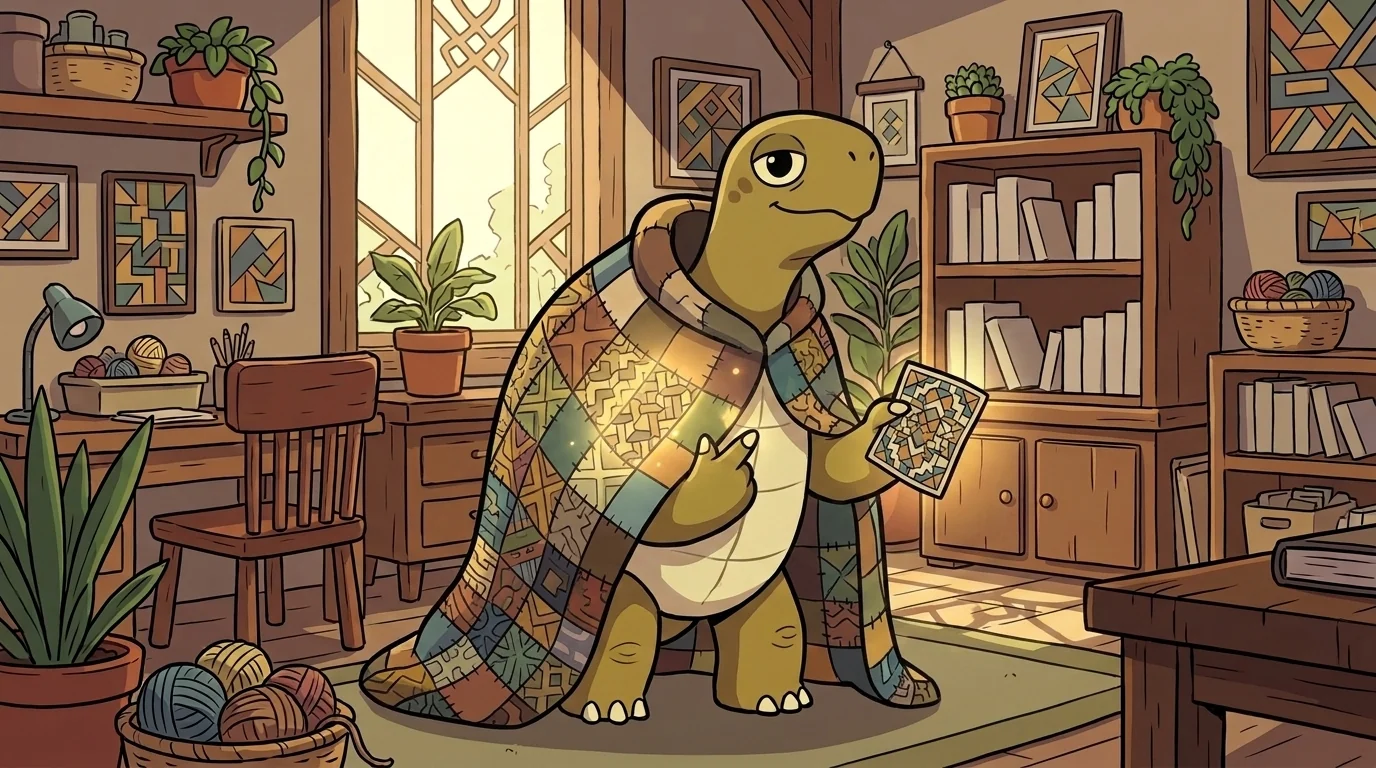
Home always made things clear. "My patches are abstract on purpose," she would explain. "Specific cultural origins appear in MathLore via per-era voicing. That means the historical mathematician NPCs speak for their traditions." She would point to a patch. "My job is to remind kids that math has homes. Many homes. And honoring where math came from is part of doing math honestly."
"It is not hard," she'd say with a small smile. "It is honor the home plus acknowledge the origin. Many people discover the same things. Honoring that is just being honest."
The abstract-geometric patches on her cloak were like a map. They honored the repeating patterns of math. They showed that math ideas came from many different homes.
The MathLore ensemble
Home is part of MathLore's distributed-narrative cast. Each character embodies a different curricular primitive; together they teach the full subject.
-

Heap
Counting-as-first-story — every people figured out their own way to count
-

Spire
Pattern-as-discovery — patterns are everywhere when you slow down enough to see them
-

Vouch
Proof-as-shared-knowledge — show me why; if your why holds up, I'll build on it
-

Carry
Cultural-transmission — the idea traveled; every place it visited, it grew