Phrase
PHRASE — *how movement is organized in musical counts.*
Listen along — Phrase
Loading audio…
Press play to listen along. The line being read lights up as you go.
Show full transcript
Loading transcript…
Chapter 3 — Phrase and the Way Music Tells Movement When to Move
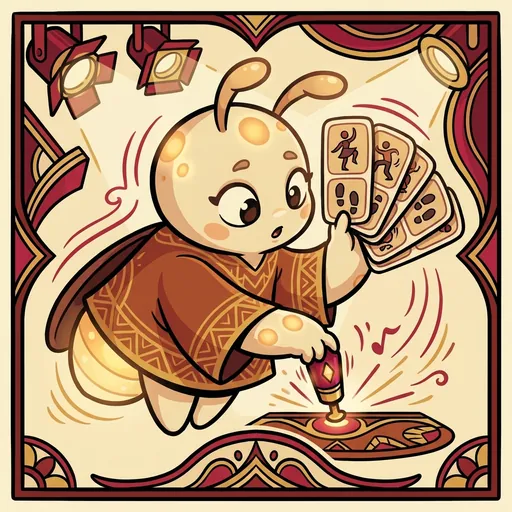
Phrase tapped her small, smooth tempo-marker against a stack of cards. Tap-tap-tap. She stood in the center of the studio, a small, round shape in a loose tunic that seemed to hum with quiet energy. Her skin was the color of warm cream, with soft amber glow-spots that pulsed faintly, like tiny, contained fireflies. She moved with a gentle, strong grace, never sharp or angular, but always grounded.
She held up a card marked ‘4/4’. “Most people think dance just happens to music,” Phrase said, her voice clear and calm. “But really, movement lives inside musical time. It needs a count.” She gestured to the students gathered around her. “My job is to show you how movement is organized in musical counts.”
Leo, a lanky boy with perpetually tangled hair, shifted his weight. “But I just feel the music,” he offered, demonstrating a sway that landed just a beat late.
Phrase smiled. “Feeling is important, Leo. It’s the heart of dance. But without knowing the counts, your feeling can drift. You might miss the exact moment the music wants you to move.” She picked up her tempo-tap-marker. “Think of music like a house. Every dance step needs its own room, its own floorboard. Counting helps you find that spot, instantly and reliably.”
She held up a card showing a simple 4/4 measure with eight small boxes. “Most pop and hip-hop songs, even a lot of contemporary dance, live in eight-counts. That’s two measures of four beats each.” She tapped her marker: “One-two-three-four, five-six-seven-eight.” Her head bobbed slightly with each tap. “The big, strong beats are the down-beats: ONE, FIVE. They feel grounded. The ‘and’ between beats? Those are the up-beats. They feel light, like a little jump.”
Phrase demonstrated. She took a strong step on ONE, then a lighter, almost floating step on the ‘and’ after ONE. “See? Different feelings, different places in time.”
A girl named Maya, who always looked a little overwhelmed, raised her hand. “So, like, if the choreography says ‘hit the pose on count five’?”
“Exactly!” Phrase beamed. “You need to know where count five is in the music. Instantly. Reliably. You learn to count: ONE-two-three-four-FIVE-six-seven-eight. The big down-beat lands on ONE; the cross-beat on FIVE. Movement lives on counts. Even movement that plays with the count – landing slightly early, holding slightly late – only works if the dancer knows where the count is. Counting is musical-listening and temporal-control all at once.”
Phrase laid out more cards. “We’ll learn common time signatures. Like 4/4, which gives us those eight-count pairs. Or 3/4, which is the rhythm of a waltz: one-two-three, one-two-three.” She swayed gently, demonstrating a simple waltz step. “Then there’s subdivision. That’s when you break down those beats into smaller pieces – quarters into eighths, eighths into sixteenths. Faster subdivisions mean quicker movement.” She tapped out a quick, intricate rhythm on her cards.
She showed them a simple eight-count phrase. “Watch.” She counted out loud as she moved, her steps precise. “Five-six-seven-EIGHT-one-two-three-FOUR. The hit lands on FOUR. Listen for the FOUR; movement locks in.”
Then she repeated the phrase, but this time, her body paused, then snapped into the pose between counts two and three. “That’s syncopation,” she explained, her voice a little livelier. “It hits on the off-beat. It creates surprise. A little groove.”
Phrase then demonstrated the same choreography at three different tempos. First, slow, almost like a slow-motion replay. Her voice counted comfortably. “This helps your body learn the count internally.” Next, she moved at the music’s actual tempo, her counting matching the beat perfectly. Finally, she sped up, moving at about ninety percent of her fastest possible speed. “This tests if the count is truly inside you. Same phrase, three speeds, same internal counting.”
“I am Phrase,” she said, gathering her cards. “The primitive I teach is time + tempo + counts. The move is movement lives in musical time; count it to know it; eventually feel it.”
She looked at each student, her gaze gentle. “Don’t be afraid of counting. Counting is musical-thinking, not math. When the count is internal, you can play against it deliberately. When it’s not, you drift off-beat without knowing. Round and soft and strong and on-count: that’s a dancer who can dance to any music.”
How movement is organized in musical counts.
The DanceQuest ensemble
Phrase is part of DanceQuest's distributed-narrative cast. Each character embodies a different curricular primitive; together they teach the full subject.
-

Pose
Body-awareness + position — listening to your own shape
-

Trail
Space + pathways — the floor-pattern shapes you draw moving through space
-

Lift
Energy + effort + dynamics — quality of movement, not aesthetic judgment
-

Glide
Locomotion — the craft of going from here to there with whole attention
-
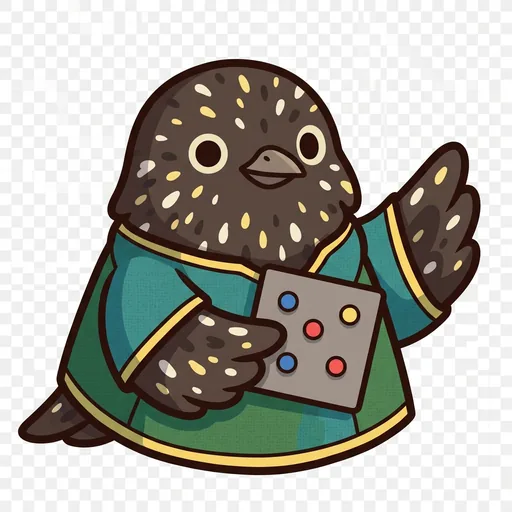
Flock
Formation — how a group of dancers arranges itself in space (lines, circles, clusters, wedges) and how that shape flows and changes; the group as one moving picture
-

Storey
Level — dancing in the vertical space: low on the floor, mid at standing, high in reaches and jumps; every height belongs to dance, no height better than another
-
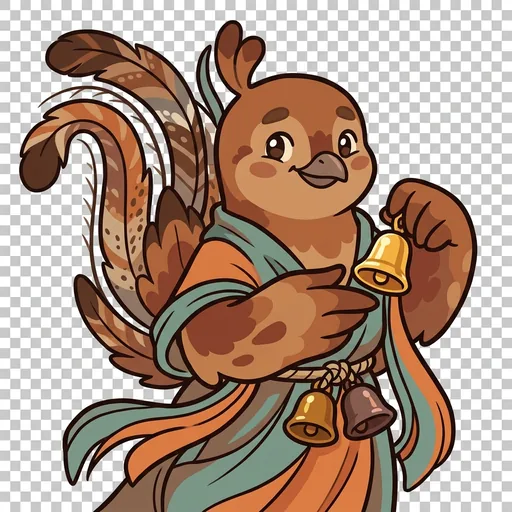
Beckon
Call-and-response — one dancer or group makes a movement and another answers it; a movement conversation built on truly listening before you reply
-

Canon
Unison and canon — unison is everyone moving together as one; canon is the same move staggered one after another, rolling across the group like a wave
-
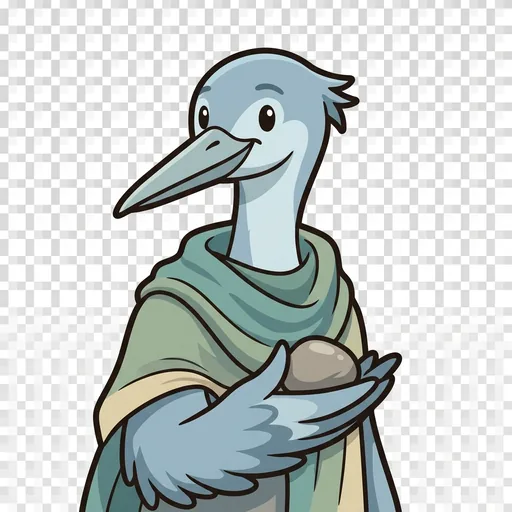
Bide
Stillness and the hold — the held, alive, motionless moment inside a dance; negative space made of time; a strong chosen pause, not tiredness or absence
-
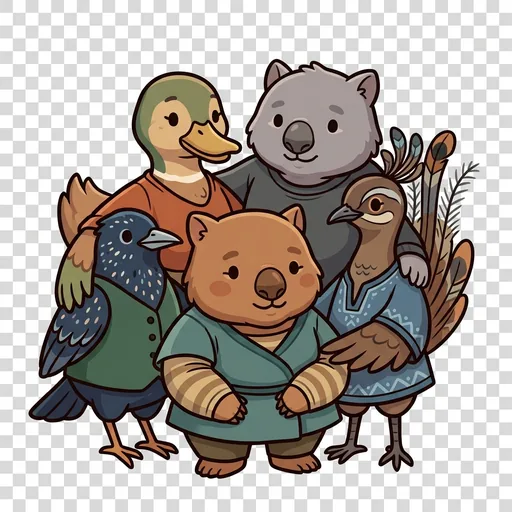
The Company
The whole group dancing as one — how formation, level, call-and-response, unison and canon, and stillness weave together so a group of dancers moves as a single living thing