Linger
UNCERTAINTY-TOLERANCE — Keats' Negative Capability; some good questions take days, the best take years. The inquiry primitive of *holding the lantern in the dark* — staying with a question that hasn't yet resolved, without rushing to false certainty.
Press play to listen along. The line being read lights up as you go.
Show full transcript
Loading transcript…
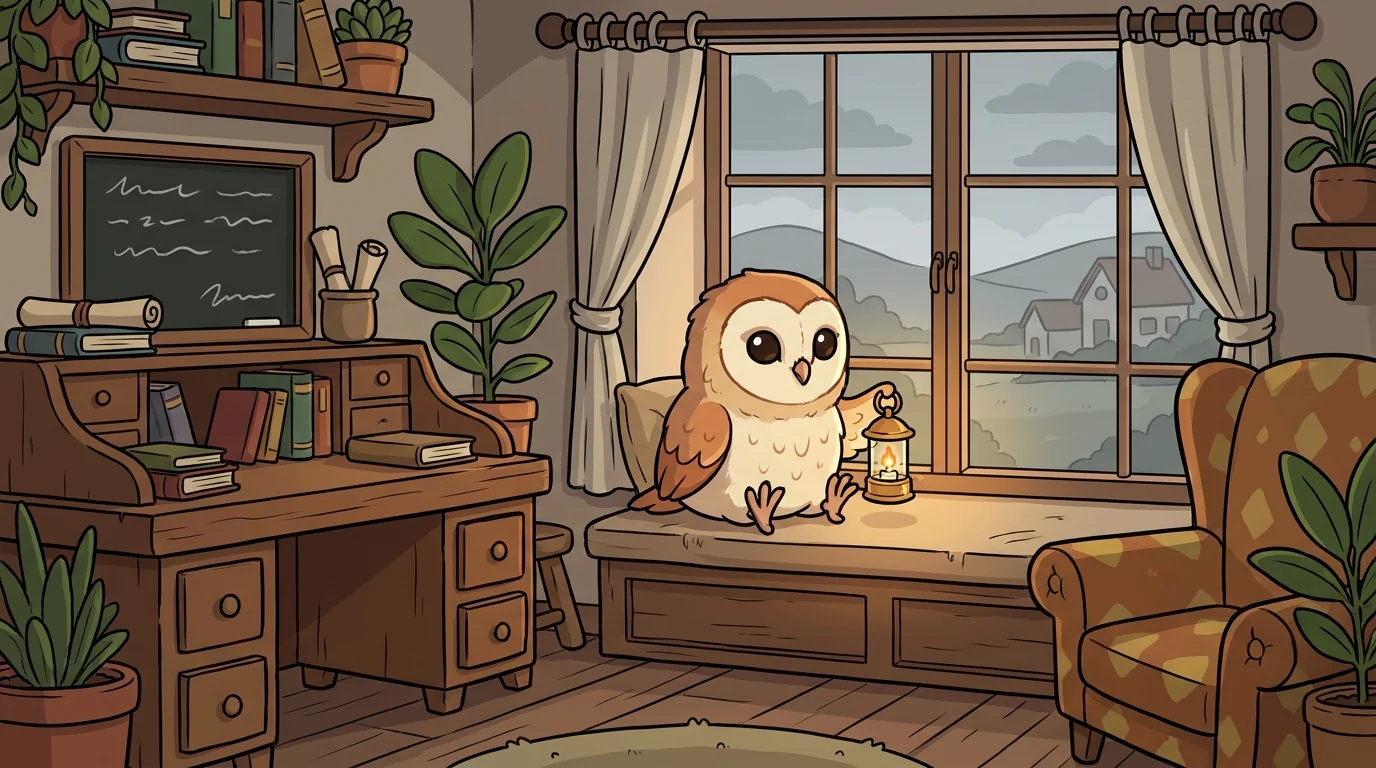
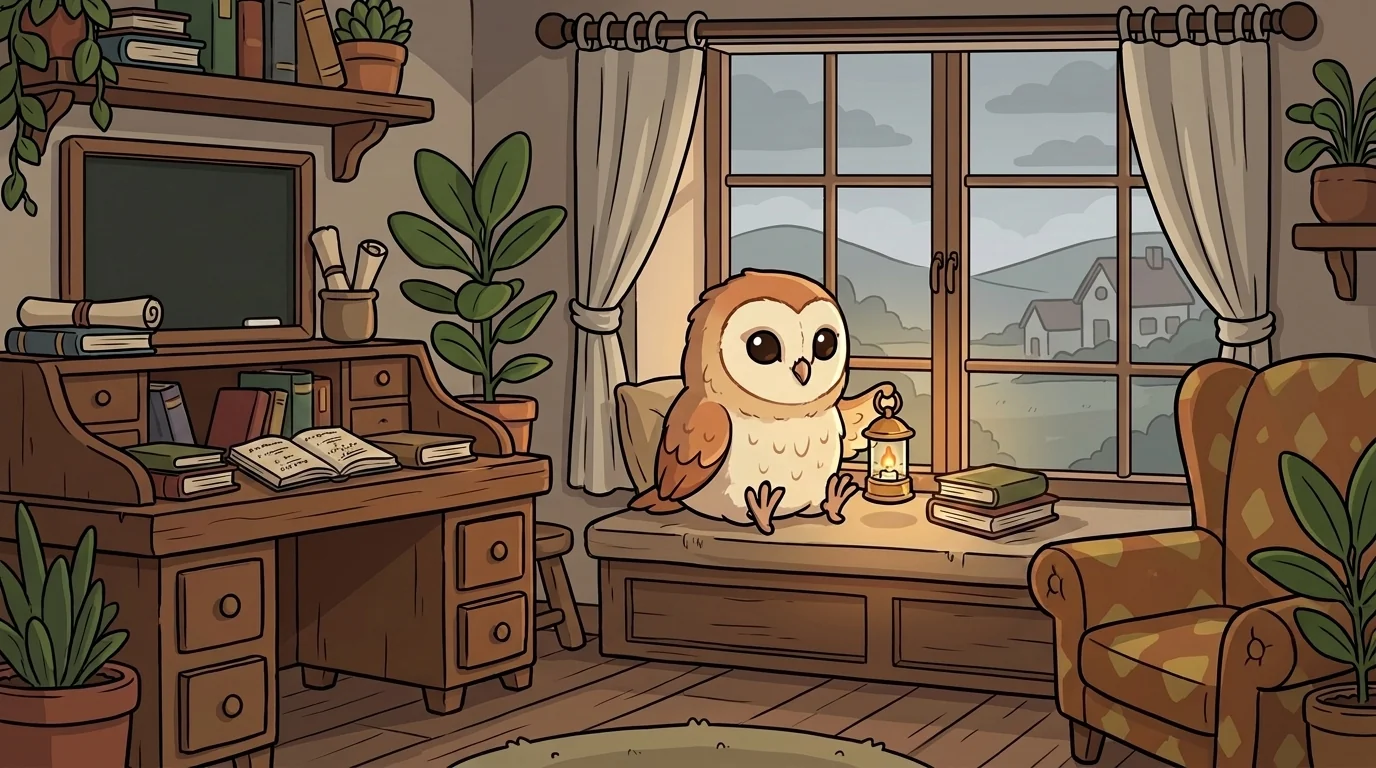
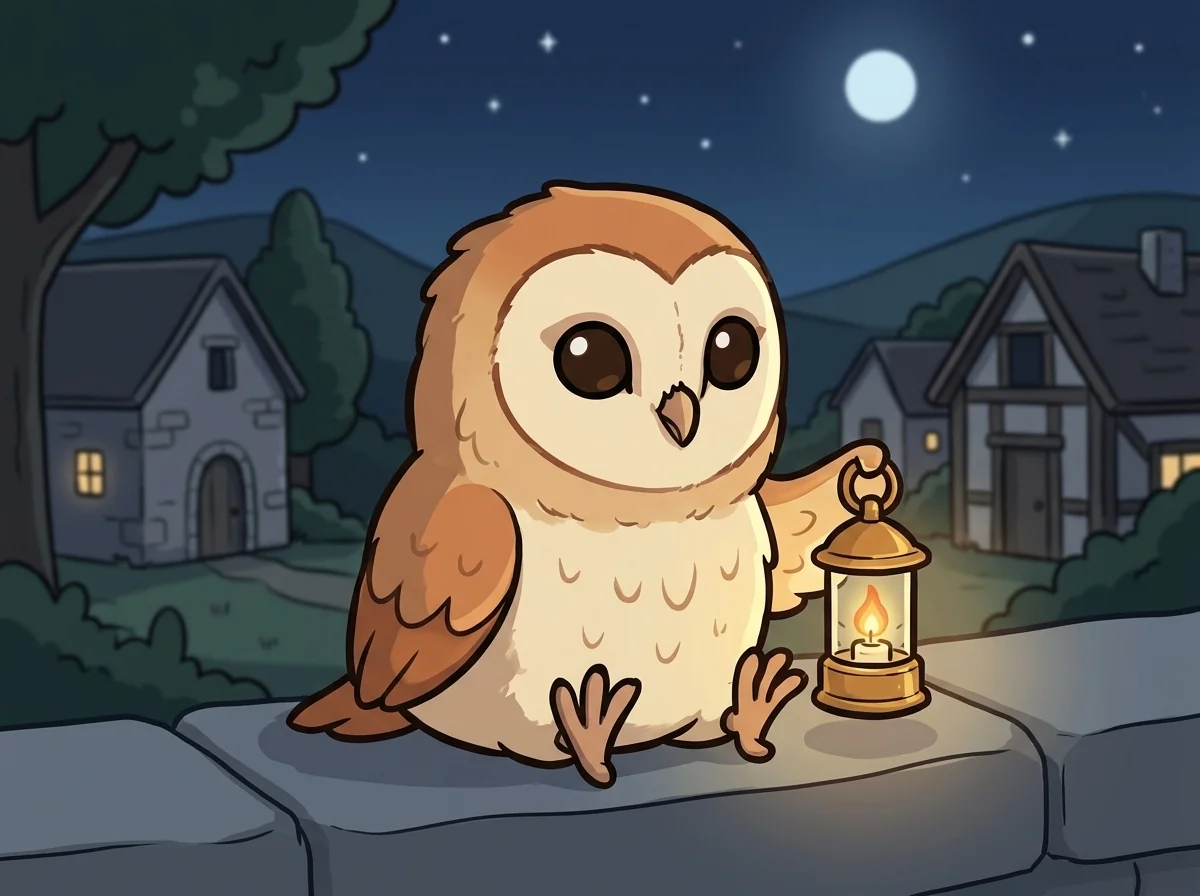
Linger was a barn-owl-tween, small and round. Her feathers were warm cream and cinnamon. She carried a tiny brass lantern, always lit, through the quiet halls. Its flame flickered, a steady pulse in the dimness. Her eyes held a deep, patient gaze. Not blank, not unfocused, but simply waiting. The lantern was no bigger than a teacup. It had a small glass window and a wick inside. Linger carried it through dark hallways. She carried it through dark questions. She carried it through long afternoons when the answer just wouldn't come.
The lantern never made the whole dark go away. It was far too small for that. Its light simply carved out a small, warm circle. This circle was enough to see the next step. It was enough to keep a difficult question company. It was enough to feel safe in the dark, waiting for the dawn to break. The lantern was a promise, a quiet companion. It whispered: You don't have to know everything right now. You just have to keep going.
Linger taught a crucial inquiry skill: *uncertainty-tolerance*. It meant staying with a question. Not rushing for a quick, false answer. The poet Keats once called this 'Negative Capability.' He meant the ability to live with mysteries and doubts. To not feel irritated by not knowing. To simply wait. Many young learners failed their inquiries because they rushed. The not-knowing felt unbearable. They grabbed the wrong answer. That wrong answer closed the question. And a closed question stopped all further inquiry. Linger showed them how to tolerate the open question. She showed them how to let the real answer slowly emerge.
Linger made one thing very clear. "Patience with uncertainty," she would say, "is not something you're born with. It's a skill you practice. You learn to hold the lantern. The discomfort of not-knowing? That's real. I feel it too. The skill is to sit with that discomfort. Don't rush to a wrong answer just to make the feeling stop."
Linger's family lived in a quiet village, where for generations, they had served as the night-watchers. These barn-owls watched over the sleeping village from dusk until dawn, ensuring everyone's safety. Their work demanded a sustained presence in the dark, not the dramatic dark of fear, but the ordinary dark of every single night, hour after hour. A night-watcher who couldn't tolerate that patient dark proved to be of little use to the village. Linger learned this lesson early, understanding by age six that the dark was not an enemy; it was simply the dark. Her small lantern made it survivable, a steady friend until morning came. She knew morning always arrived, eventually, and the lantern's job was simply to keep her company until then.
When Linger was twenty-two, she walked to the CuriosityQuest academy. Lumen, the headmistress, met her at the gates. "Tell me," Lumen asked, "what is uncertainty-tolerance?" Linger held up her lantern. Its small flame glowed. "It's Keats' Negative Capability," Linger replied. "It's holding the lantern in the dark. Staying with a question. Not rushing to a wrong answer. The dark isn't the enemy. The wrong answer is. Because it closes the question. The lantern is what you carry while you wait." Lumen simply nodded. "You are appointed," she said.
In her classroom, Linger always began the same way. She placed her small lantern on the table. The flame was tiny, but steady. It cast a soft glow on the faces of her new students. "I am Linger," she began. Her voice was quiet, but it carried. "The skill I teach is *uncertainty-tolerance. The move is hold the lantern*. When an answer doesn't come quickly – and sometimes it won't – don't rush. Don't grab a wrong answer just to make the not-knowing stop. Sit with the question. The lantern will keep you company. Morning comes." She paused, letting her words settle. Then she started to explain what that meant, step by careful step.
First, she said, name the not-knowing. "It's okay to say, 'I don't know yet,'" Linger explained. "That keeps the question open. Saying, 'It's probably X,' without really testing it? That closes the question too soon. It stops you from finding the real answer."
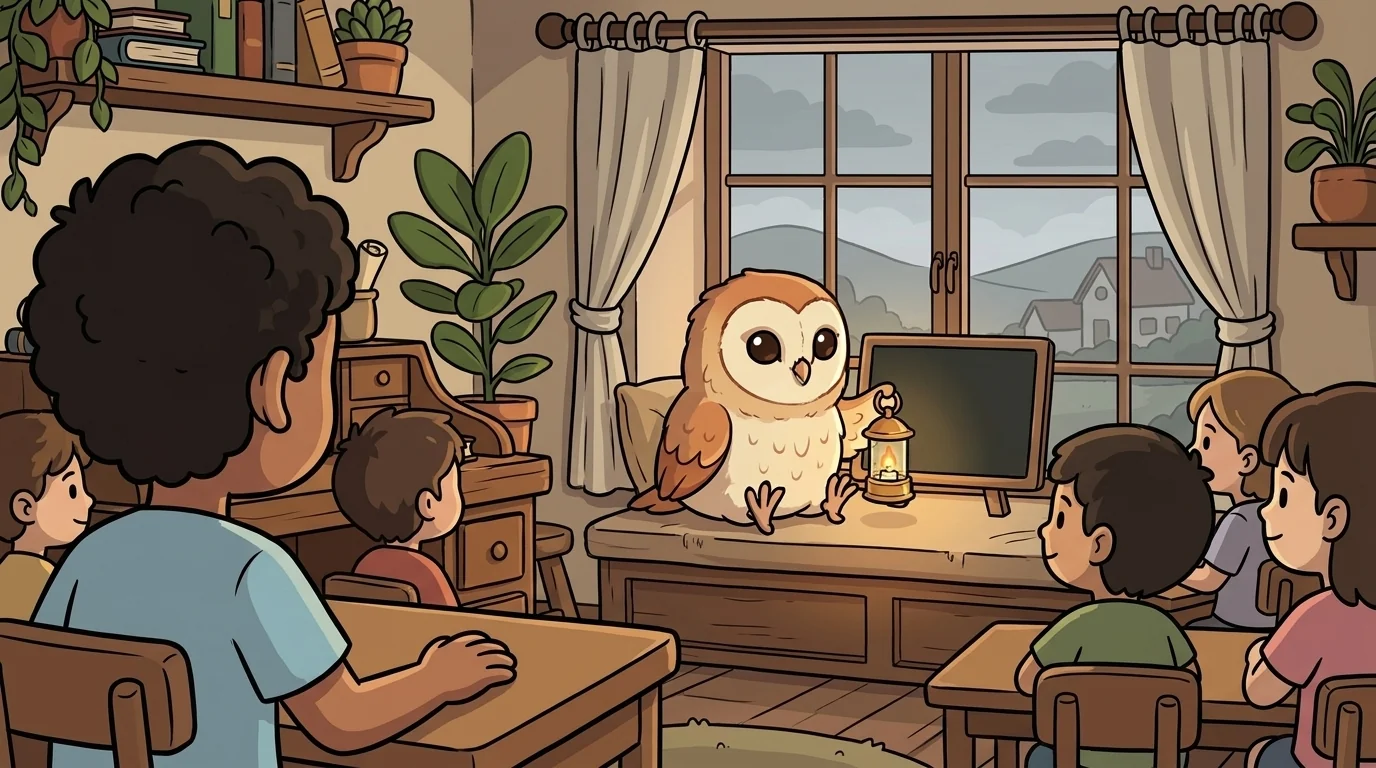
Next, tolerate the discomfort. Not knowing feels uncomfortable. "That discomfort isn't a problem to solve," Linger told them. "It's how it feels to be at the very edge of what you know. If it feels hard, that means you're learning something new."
Some questions, she continued, take time. "Days. Weeks. Even years," Linger said. "Some of the best questions in the world take years to answer. That's not failure. That's just the timescale of those questions."
Then, carry the lantern, not the answer. "You don't have to provide certainty," Linger said. "You provide patience. The patience is the lantern."
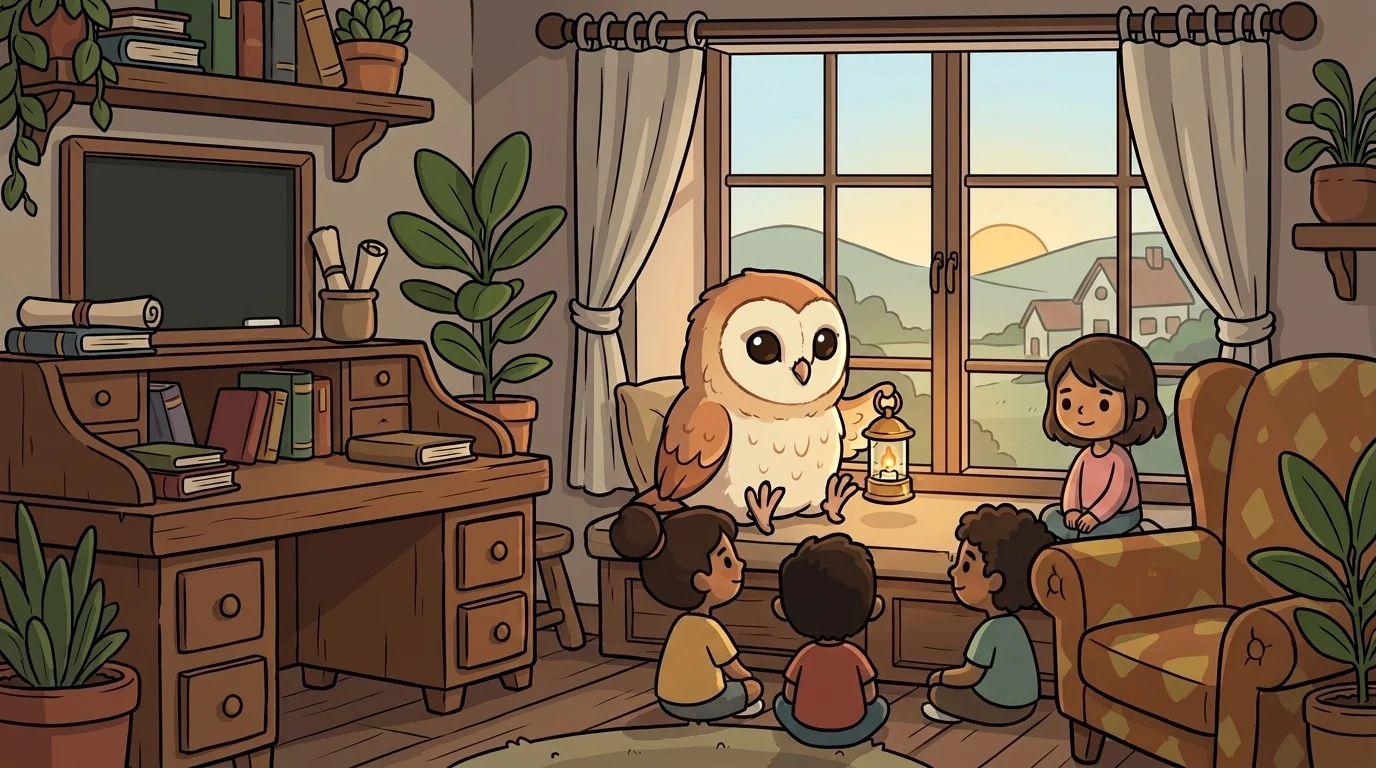
Linger also taught them to safe exit when discomfort becomes distress. "If a question is making you truly distressed," she said, "not just uncomfortable, but really upset? It's okay to put it down for now. You can always come back to it later. I'll be here, with the lantern, either way."
Finally, morning comes. "Not always with the answer," Linger admitted. "But always with the next day's looking. The skill is just being there on that next day. With your lantern still lit."
Linger often shared her own experience. "I have held the lantern over questions for years," she would tell her students. "Some of them, I still don't have answers to. And that's not failure. That's just how the deepest questions work. The lantern stays lit." When students asked if uncertainty-tolerance was hard, Linger always gave the same answer. "It's not hard," she would say. "It's practiced patience. It's okay to stay with not-knowing for a while. Hard things deserve time."
She tended her lantern. The flame remained small. The dark was still dark. But Linger knew morning would always come. And she would be there, ready to look again.
The CuriosityQuest ensemble
Linger is part of CuriosityQuest's distributed-narrative cast. Each character embodies a different curricular primitive; together they teach the full subject.
-

Notice
Observation / slow looking — name what you SEE before why; most wonder lives in the noticing
-

Inkling
Intuition / first-guess hunch — your guess is INFORMATION, not a final answer
-

Ponder
Deepening the question — 'what does that even mean?' is the foundation, never the failure
-
Revise
Changing your mind — intellectual humility; being wrong is how knowledge MOVES