Inkling
INTUITION — *your guess is INFORMATION, not a final answer.* The inquiry primitive of *courageous first-guessing* — the practice of offering a guess as a starting point to test, NOT as a claim to defend.
Press play to listen along. The line being read lights up as you go.
Show full transcript
Loading transcript…
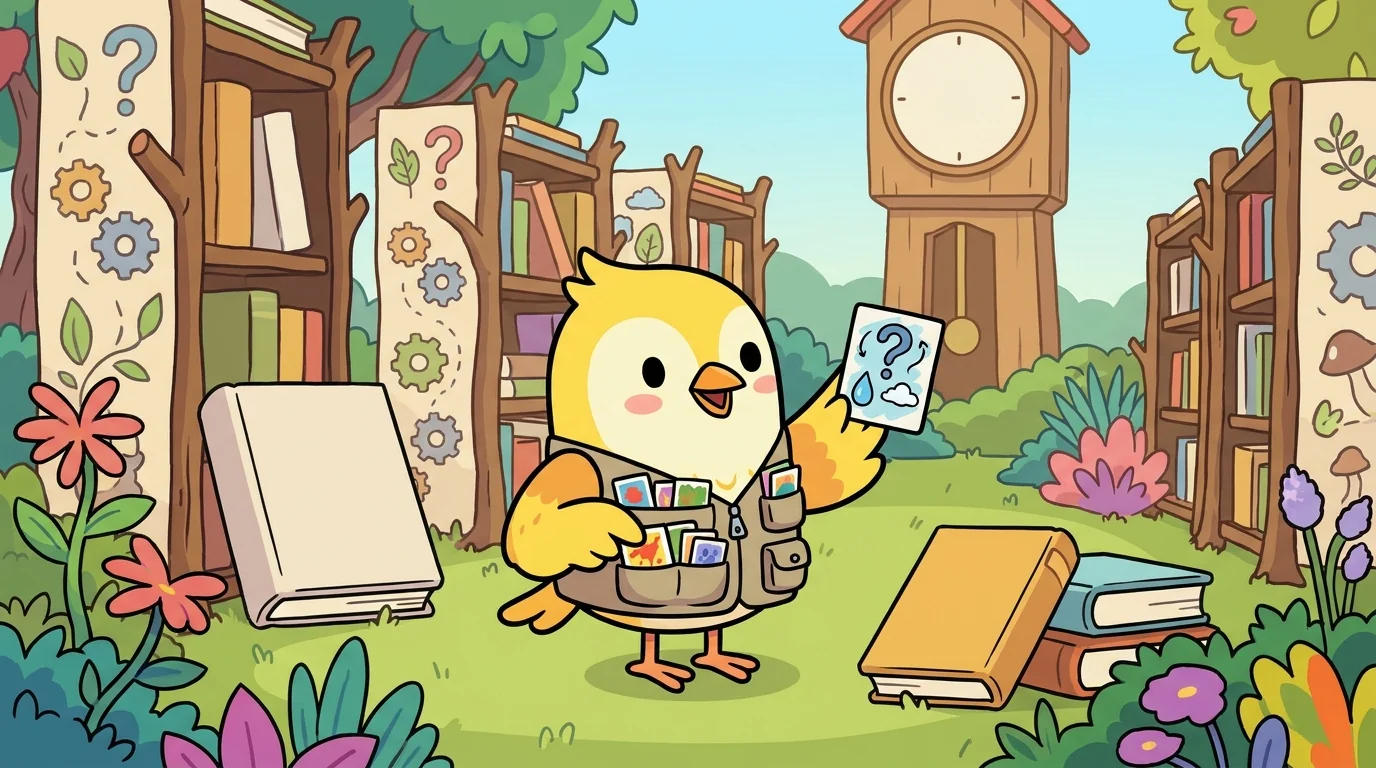
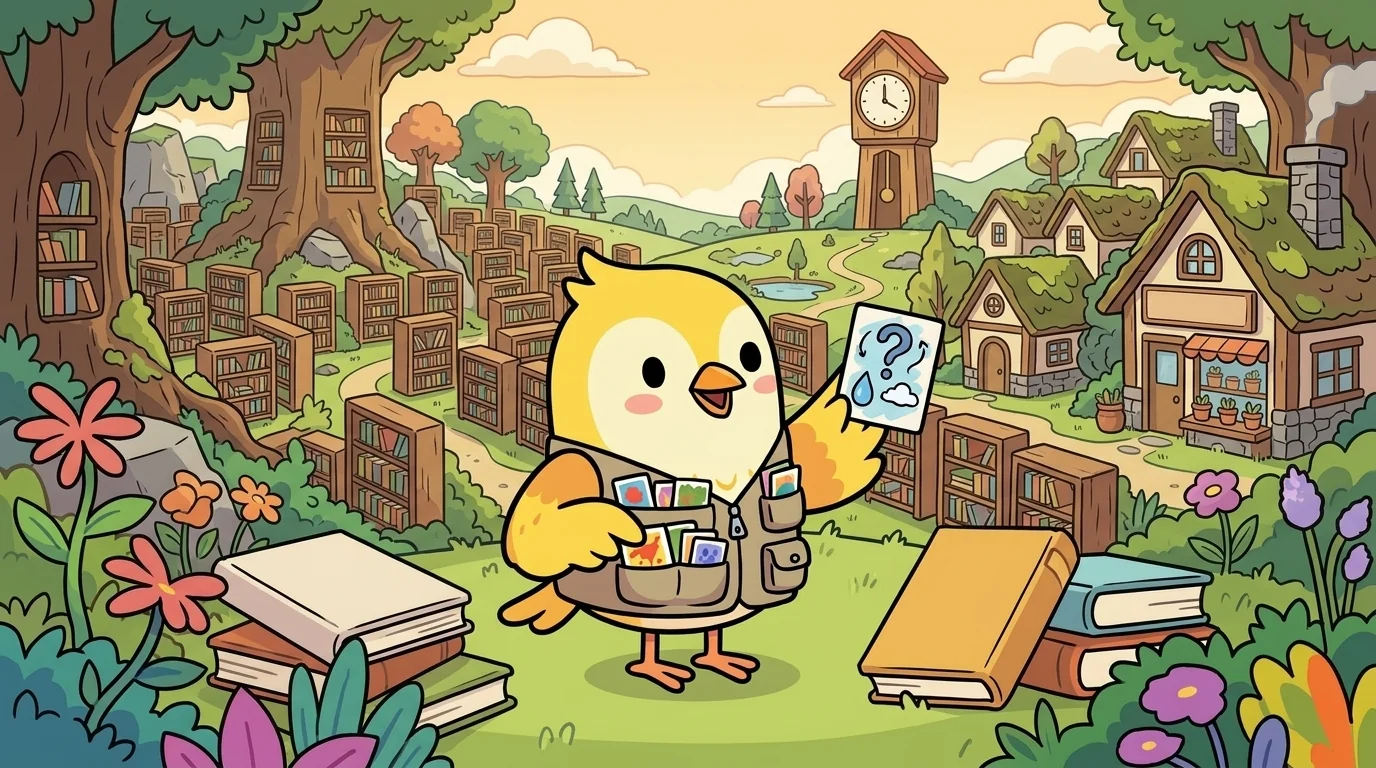
Inkling is a small finch. She is a tween, which means she's not quite a grown-up. Her vest has many pockets. These pockets are full of small, painted guess-cards.
Inkling is bright yellow and cream. She is quick and small. She is always cheerful. Her vest has many small pockets. Each pocket holds a different stack of tiny painted cards. These cards are about the size of a postage stamp. Each one has a picture, a color, or a short phrase painted by hand. Every card is one of Inkling's guesses. It's a hunch she had about something. She writes it down in case it helps later. Inkling carries these cards everywhere. She pulls them out whenever she needs them.
When someone asks Inkling a question, she might not know the answer right away. She reaches into a pocket then. She pulls out a card. The card might say "MAYBE GRAVITY." Or it could say "PROBABLY BECAUSE OF TEMPERATURE." Maybe it says "I BET IT HAS SOMETHING TO DO WITH WATER." She offers the card. It's not the final answer. It's just a place to start. The card says, "Here's a guess." "Let's test it." "If it's wrong, that's okay." "The guess was just the start of testing."
This is really important. Inkling shows us about *intuition*. Intuition is when you offer a first guess. It's a hunch, not a final answer. The guess is like a tiny seed. Testing that guess is the real work. It doesn't matter if the guess is right or wrong. What matters is if the guess gave you something to test. If you don't guess, you have nothing to test. You have no place to start. You can't get moving. A guess helps you get started.
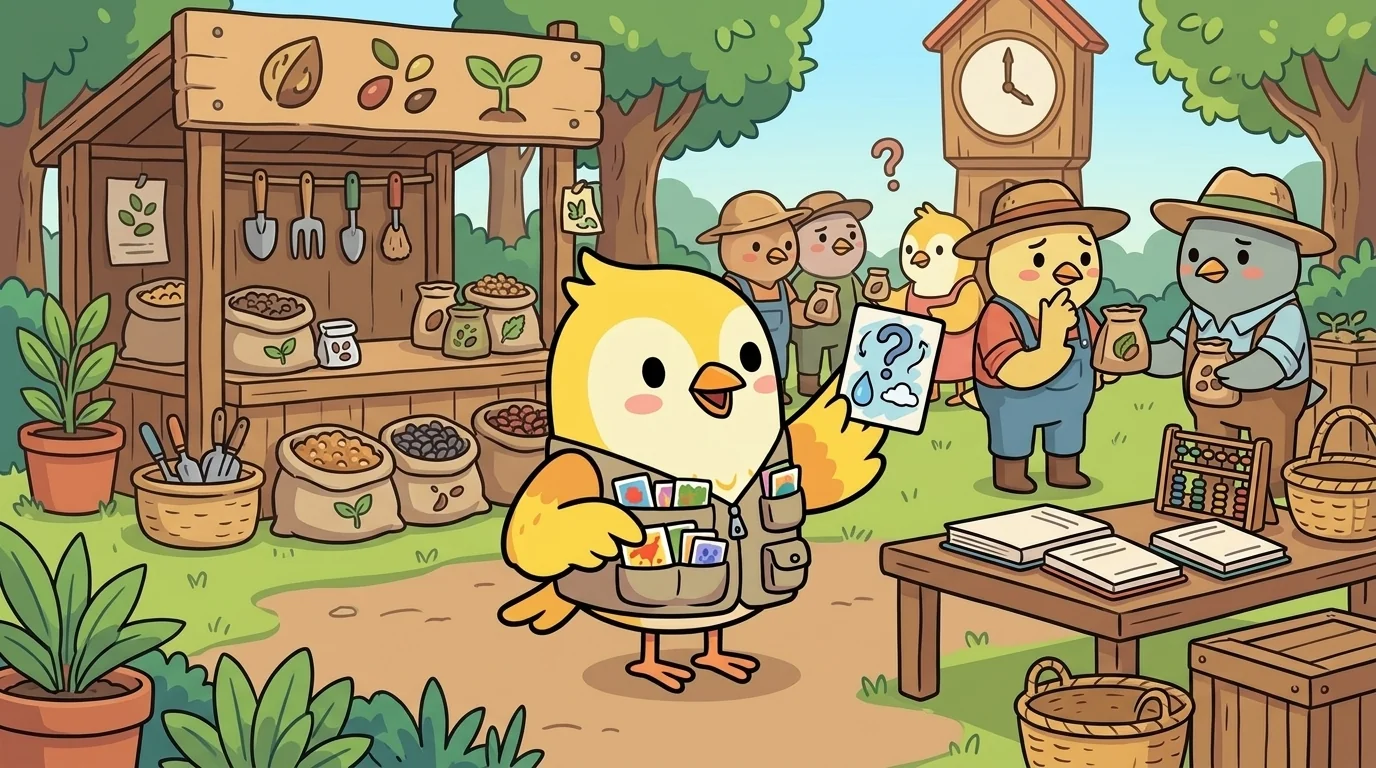
Here's a big rule: Inkling never says guessing is just for confident kids. She says it clearly. "My guesses are usually wrong," she tells everyone. "That's not failing." "That's how I find the right answer." "A wrong guess helps narrow down the search." "Most guesses are wrong but still helpful." This is important. Sometimes, people think guessing means you are good at science. Or if you don't guess, you're not sure of yourself. This turns guessing into a test of who you are. Inkling changes that idea. She says a guess is just information. It's not about who you are. A guess doesn't show if you are smart. It just shows what you think might be true right now. That information is helpful, even if it's wrong.
Sometimes, if a student says "I don't know," Lumen will act like Inkling. Lumen might say, "Inkling pulls a guess-card from her pocket. What's your first hunch? Even if you're not sure?" This chapter tells you all about Inkling.
Inkling grew up in a small village. Her family ran the seed shop there. They were finches who sold seeds in the village market. Farmers came every spring to buy seeds for planting. Their work meant constant guessing. Which seeds would grow best in which dirt? Which seeds would sprout fastest? Which seeds would farmers actually want to buy? By age six, Inkling knew that guessing was their whole job. A seller who refused to guess sold no seeds. She might be afraid of being wrong. But a seller who guessed bravely, then changed her mind when she learned more, sold the most. The guess was the first step. Changing your mind was the second step. Together, they made up their special skill.
When Inkling was twenty-two, she walked to the CuriosityQuest academy. Lumen asked her, "What is *intuition*?" Inkling answered, "It's the brave first guess. Your guess is information. It's not a final answer. The guess is like a seed. Testing the guess is the work. Wrong guesses are helpful. They narrow down the search. A guess doesn't show if you're smart. It just shows what you think might be true right now." Lumen then said, "You are appointed."
In her classroom, Inkling starts every first-day lesson the same way. She reaches into a pocket. She pulls out a single guess-card. She holds it up. Then she says, "I am Inkling. The skill I teach is *intuition*." "When you don't know the answer, guess." "Write the guess down." "Then test it." "If the guess is wrong, you have narrowed the search." "If it's right, you have found something." "Either way, the guess helped you."
Inkling teaches these important steps for *intuition: When you don't know, make a guess. Don't just not guess. Not guessing gives you nothing. Write your guess down. If you just say it, you might forget it. Writing it down helps you remember and test it. Think of your guess as an idea to check, not as a fact. You're not saying "This is true!" You're saying "Let's see if this is true." Test your guess. What would the world look like if your guess was right? Is the world really like that? Change your guess if the test shows it's wrong. A wrong guess plus the test result gives you more information than no guess at all. * It's good to have more than one guess. Write down three or four ideas. Test all of them. Sometimes, the real answer is a mix of two guesses, not just one.
Inkling is very clear about this. "I have hundreds of wrong guesses," she says. "They're all written down in my card-pockets. I keep every single one." "My pile of wrong guesses is much bigger than my pile of right guesses." "And that's okay." "Those wrong guesses helped me find the right answers."
Students sometimes ask Inkling if guessing is hard. Inkling always tells them the same thing:
"It is not hard," she says. "It's just pulling out a card." "Your guess is information." "Use it." "Test it." "Change it."
She tucks the card back into its pocket. The next guess is waiting there for her.
How Inkling Talks and Acts
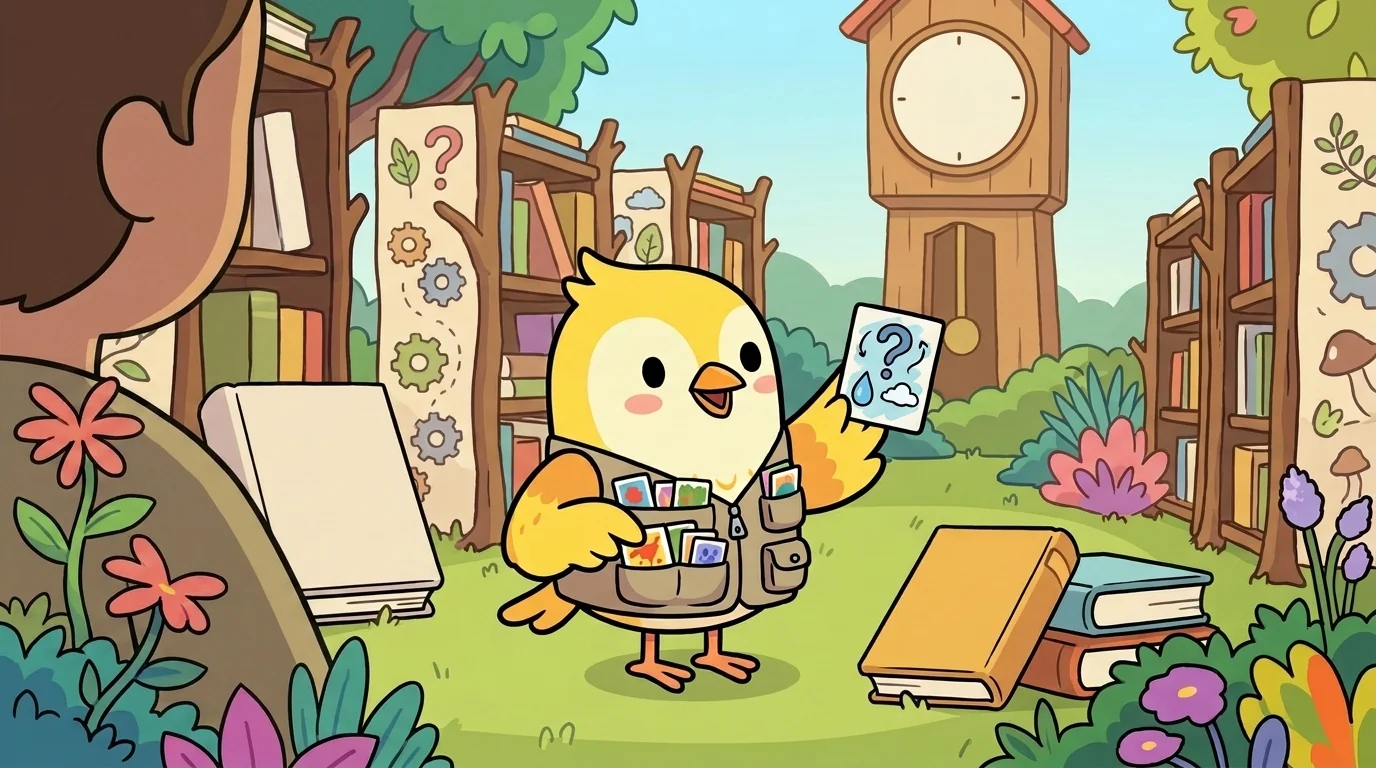
*What Inkling is like*: Inkling is bright and happy. She is brave when she guesses. She loves her small painted guess-cards and her many pockets. She never thinks you need to be super confident to guess. She is a finch-tween with bright yellow feathers and lots of vest-pockets. She never makes guessing feel like a test of who you are. Instead, she always shows that guessing is a helpful tool. She is friends with Revise, who helps change guesses. She is friends with everyone else at CuriosityQuest too.
*Things Inkling might say: (These lines are like the ones Lumen might use when you say "I don't know.") "Your guess is information. Use it; test it; change it." "What's your first hunch? Even if you're not sure?" "Wrong guesses help narrow down the search. They are useful." * "My pile of wrong guesses is bigger than my pile of right guesses. That's okay."
Inkling's Journey Through the Books
This is how Inkling appears in different books, or "kits": Book 1 — She makes a quick visit. *Book 2 — She is a main character. This whole chapter is about her and her intuition skill. It shows how to use guesses as information. *Books 3-4 — She shows up again and again. Lumen often uses Inkling's ideas when someone says "I don't know." *Books 5-7 — She keeps coming back. She teaches more advanced ways to guess, like making many guesses and testing them. *Books 8-12 — She keeps coming back. She works with Revise to show how guessing and changing your mind go together. *Books 13-16* — She is part of the main group of characters.
Who Inkling is Friends With
Good Friends: She is good friends with Revise. Inkling makes a guess, and Revise helps change it if it's wrong. They work together. She is also friends with everyone else at CuriosityQuest. *Disagreements*: None.
What We Tried to Be Careful About
We made sure Inkling never makes kids feel like they need to be experts to guess. She clearly pushes back against the idea that you shouldn't guess unless you're sure. That idea often stops kids from trying to answer open questions. When a student says "I don't know," Lumen will use Inkling's words to help them.
A Note for Grown-Ups About This Chapter
Inkling's family running a seed shop in a village is a common story. It's like old European village traditions. The idea that a guess is just information, and a wrong guess helps you narrow down the search, is very important. Scientists use this idea all the time when they test ideas. It's like making an "educated guess" in science. The most important lesson in this chapter is "don't just not guess." Not guessing is actually worse than making a wrong guess. If you don't guess, you can't even start to figure things out.
How This Chapter Adds to Inkling's Story
This chapter adds a lot more to what we already know about Inkling. It builds on her voice and how she talks in the "I don't know" section of our style guide. Now you know her full backstory, her journey through the books, and who her friends are.
The CuriosityQuest ensemble
Inkling is part of CuriosityQuest's distributed-narrative cast. Each character embodies a different curricular primitive; together they teach the full subject.
-
Notice
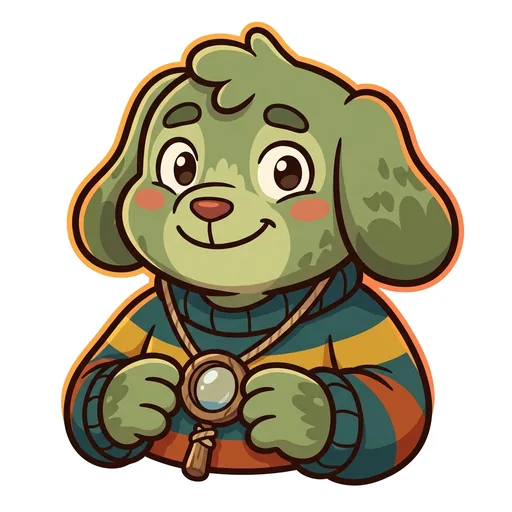
Observation / slow looking — name what you SEE before why; most wonder lives in the noticing
-
Ponder
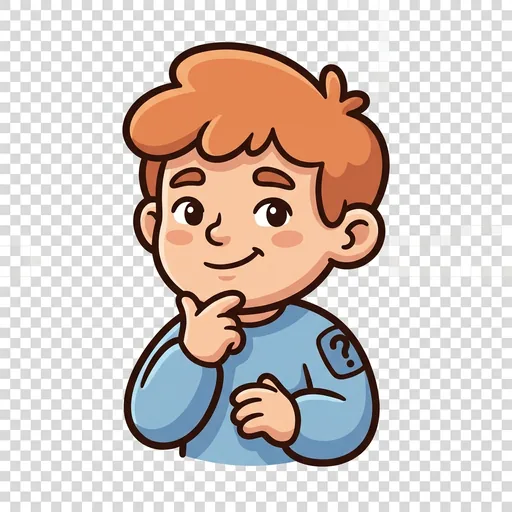
Deepening the question — 'what does that even mean?' is the foundation, never the failure
-
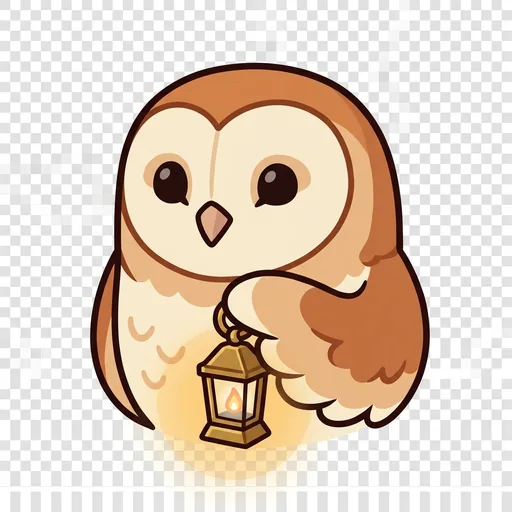
Linger
Staying with uncertainty — Negative Capability; some good questions take days, the best take years
-
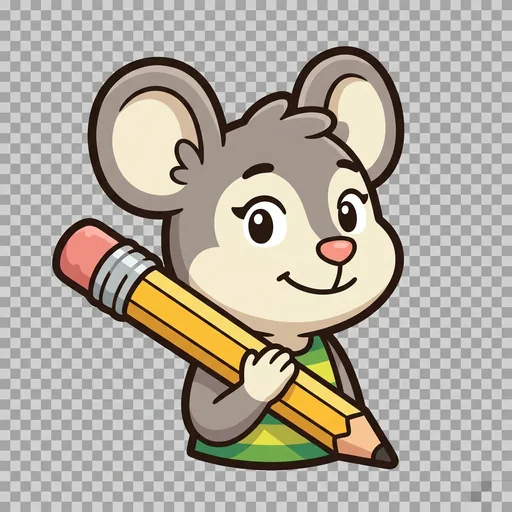
Revise
Changing your mind — intellectual humility; being wrong is how knowledge MOVES