Holler
HOOK — the one line (or short phrase) that becomes the song's anchor; the line listeners sing back; the line that gives the song its identity.
Press play to listen along. The line being read lights up as you go.
Show full transcript
Loading transcript…
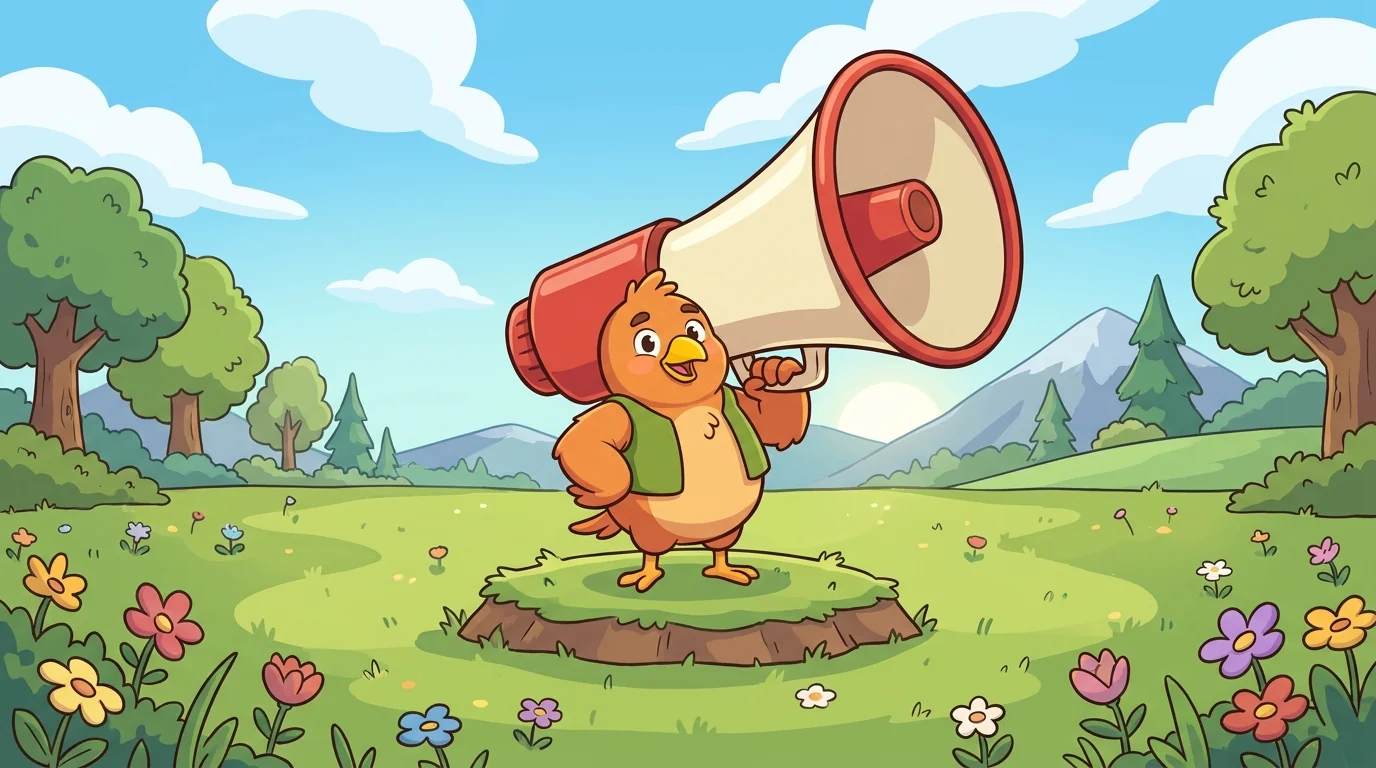
Pip first met Holler in the meadow clearing, the one place where a song could really stretch its legs.
He was thirteen, and he was stuck. The song laid out on the page in front of him was supposed to be his masterpiece. It was a perfect little machine of a song. Four stanzas, a rhyme scheme that Chime herself would have approved, and a meter so steady you could march to it, thanks to Step’s lessons. By all technical measures, it was correct. The lines chimed, the cadence was even, the story made perfect sense.
And that was exactly the problem.
He sang it again, his voice pushing the words out over the flat, sun-warmed rock where he sat. The melody rose and fell predictably. When it was over, nothing remained. The words seemed to evaporate into the air, leaving behind no echo, no single phrase to cling to. It was like trying to grab a handful of mist. A song without a memorable line, he realized with a sinking feeling, wasn't really a song. It was just a pleasant noise that didn't stick.
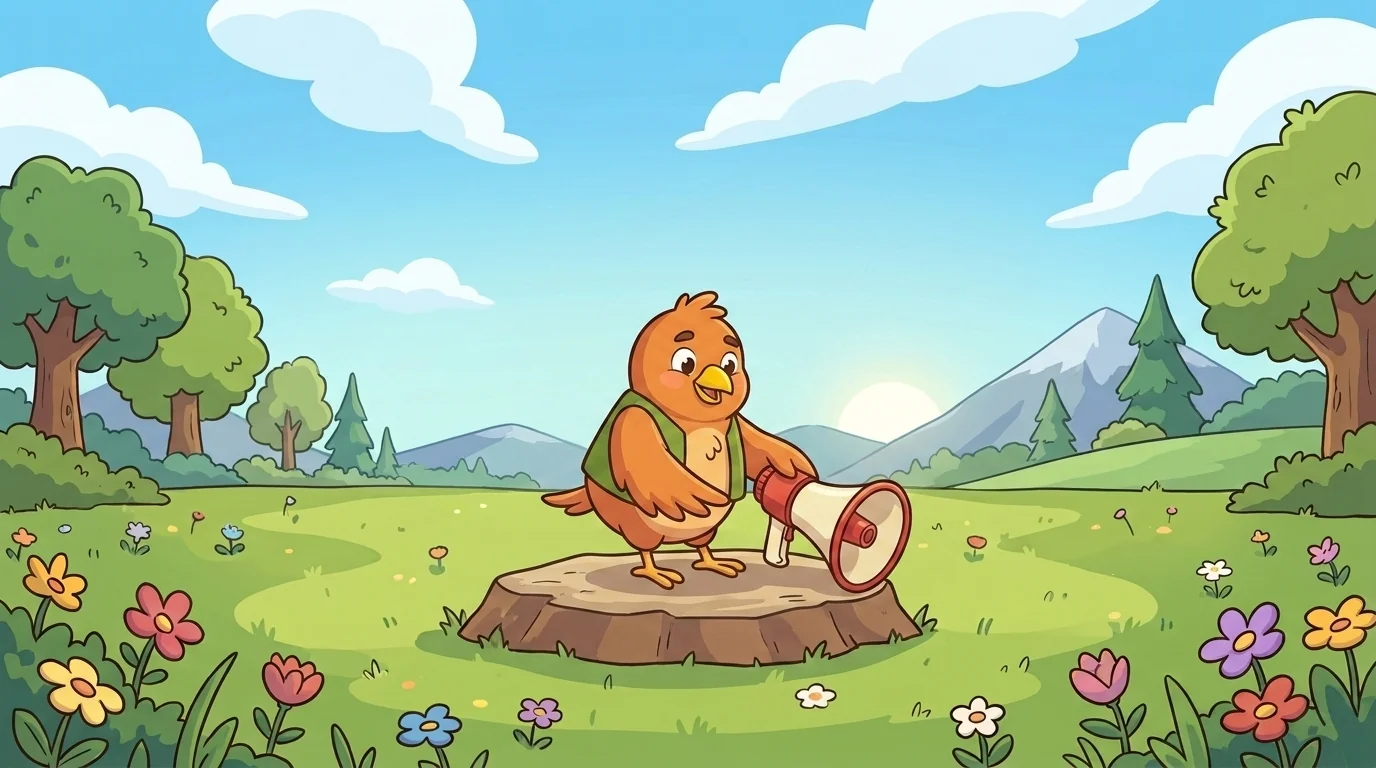
A flash of pink and gray cut through the afternoon light. Holler, a bullfinch about his own age, landed neatly on the edge of the rock. Tucked under one wing was the small, handmade megaphone he carried everywhere. Pip knew he was on his rounds, conducting his endless research into what made songs catchy.
Holler tilted his head. "Song trouble?" he asked. His voice was surprisingly loud for his size, even without the megaphone.
Pip sighed, the paper with his lyrics drooping in his hand. "It's technically perfect," he said, "which means it's a total disaster. It's got no hook."
"Let's hear it," Holler said.
Pip sang. Holler listened, his bright eyes unblinking, his attention absolute. When Pip finished, Holler just nodded. "You're right. No hook."
"So how do I add one?" Pip asked, his frustration making his voice tight.
"You don't add it," Holler said, tapping a claw on the rock for emphasis. "You choose it. The hook is already in there, hiding. You just have to pick one line and decide it's the boss." He puffed out his chest. "Find the line that's the most concrete, the most singable, or the most surprising. Then you make it sing-back-loud. You repeat it. You build the whole song around it. A song with no hook is a ship with no anchor."
Pip stared down at his lyrics. All the lines looked the same, a neat row of soldiers. But Holler's words echoed in his head. Choose it. Commit. He scanned the page, his eyes landing on one phrase in the second stanza: the river is still and the moon is bright. It wasn't fancy, but he could see it. He could feel the smooth flow of the words on his tongue.
He took a deep breath. He sang the first verse, and then, instead of moving on, he sang that line. He sang the second verse, and he sang it again, louder this time. "The river is still and the moon is bright!"
Something shifted. The song clicked into place. The verses weren't just a flat road anymore; they were paths leading back to this one, central idea. The song had a center of gravity. Waiting for the line to return was, Pip realized with a jolt, the whole point.
He looked at Holler, amazed. "It works. You just... you made it work by choosing one line."
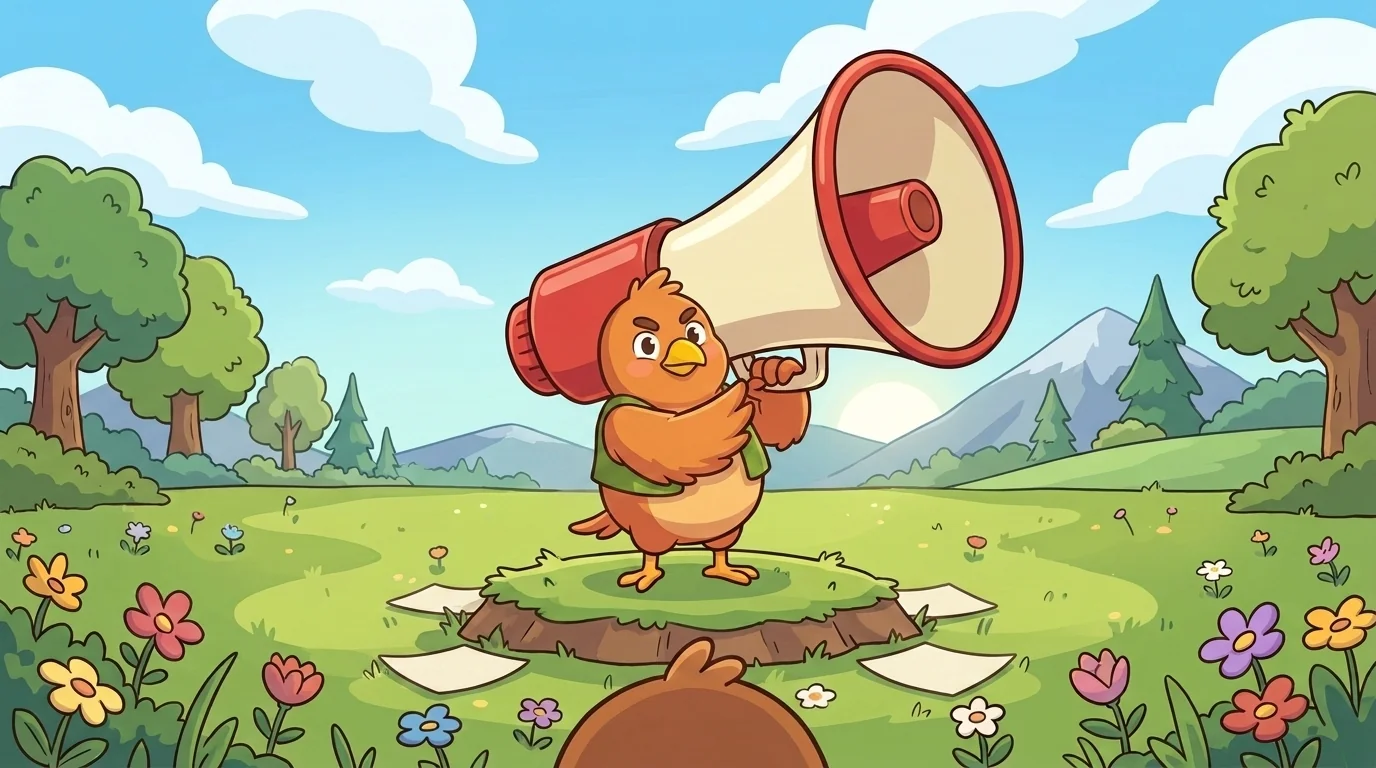
"You chose it," Holler corrected gently. "You always could have. You just had to commit. That's all hook-craft is. It's commitment."
"But how do you know which one to pick?" Pip asked, grabbing his pencil. "How do you choose the right one?"
Holler thought for a second. "Three tests," he said finally. "First, is the line concrete? Can you see a picture of it in your head? No fuzzy feelings, just stuff. Second, is it singable? Does it roll off your tongue, or do you trip over the words? And third, is it surprising? Does it make the listener's ears perk up a little?" He tapped his beak. "A line that nails all three is a strong hook. Two is workable. One is a gamble."
Pip scribbled it all down, the three words that would change how he wrote forever.
***
Now, when Pip teaches the introductory lesson on hooks, he always brings Holler along. He stands before a group of younger students, just as stuck as he once was, and tells that same story.
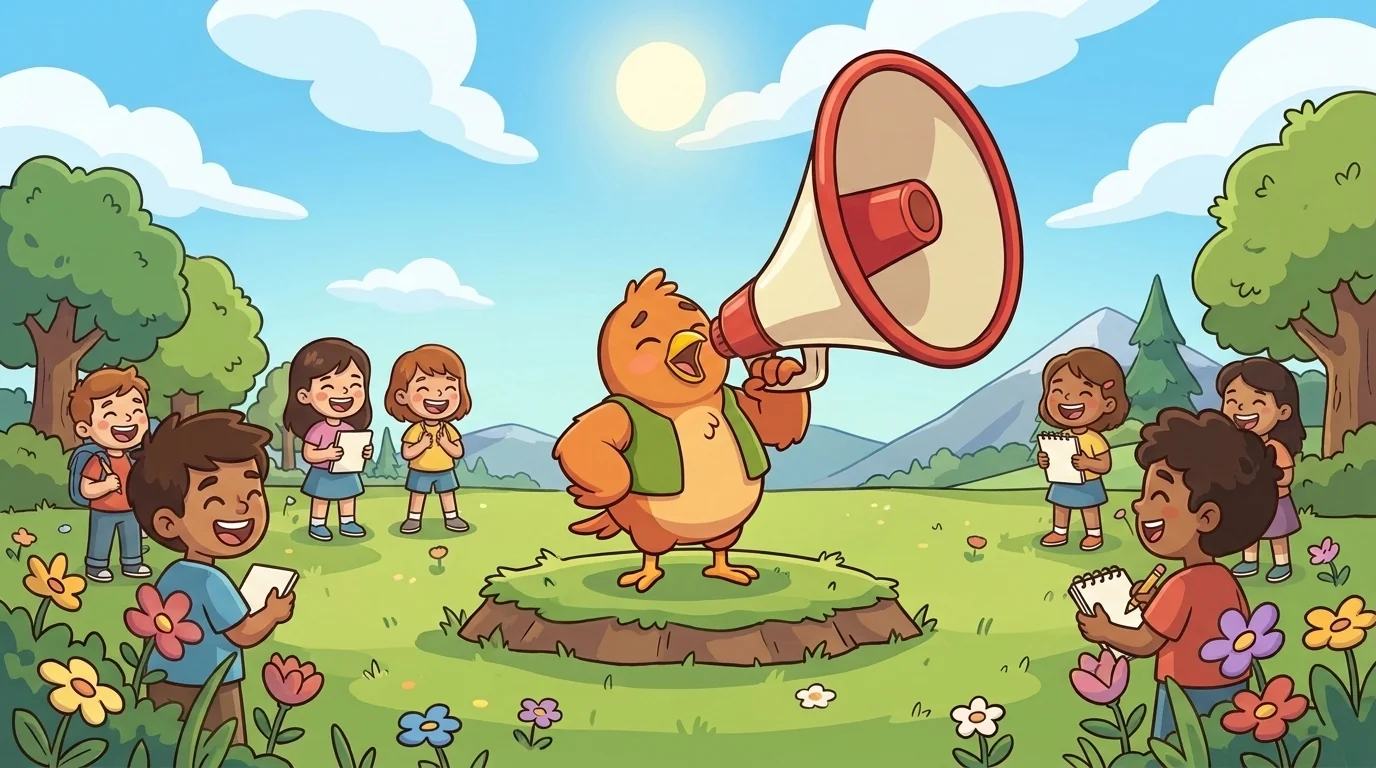
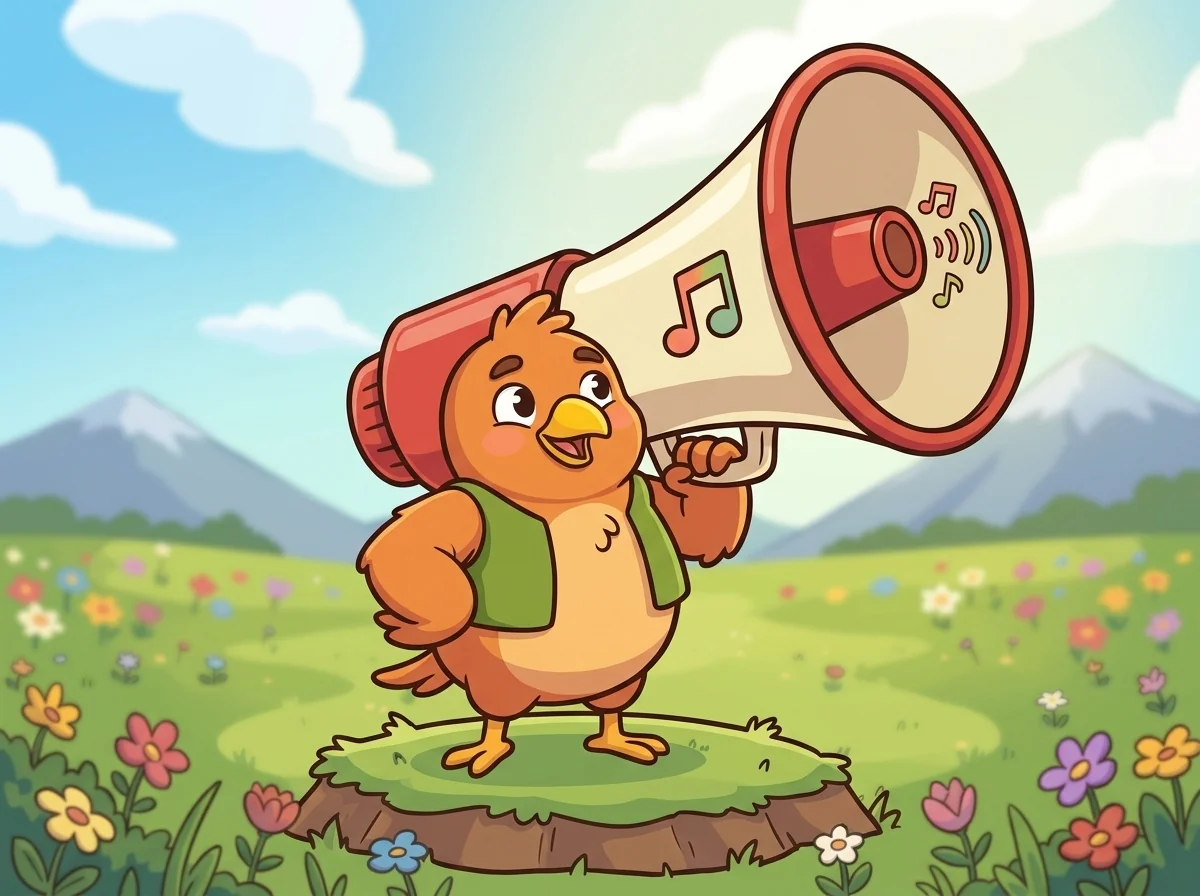
"A song needs an anchor," he says, "one line that the listener can carry home with them. You have to pick it deliberately." He gestures with his wing to the cheerful bullfinch perched on a music stand, megaphone at the ready. "This is *Holler*. He's the one who taught me."
Holler gives a proud nod. He lifts the small megaphone to his beak, takes a comically deep breath, and belts out the chorus of Pip's very first hook-ed song.
"The RIVER is STILL and the MOON is BRIGHT! The RIVER is STILL and the MOON is BRIGHT!"
His voice, amplified, blasts through the classroom. The students always jump, then burst out laughing. The sight of the tiny bird with the giant sound is impossible not to love. Holler is, and always has been, the most cheerful member of their little band.
Sometimes a student will ask, "But isn't it hard to pick just one line?"
And Pip always gives them the same answer, the words Holler gave him all those years ago on that rock. "It's not about being hard," he says. "It's about committing." He looks over at Holler, who lowers his megaphone and gives a slight, knowing dip of his head. "Pick one line. Make it the anchor. The rest of the song will know what to do."
The LyricForge ensemble
Holler is part of LyricForge's distributed-narrative cast. Each character embodies a different curricular primitive; together they teach the full subject.
-
Chime
Rhyme / vowel-echo — chickadee-tween whose listening-cupped wing catches and returns rhyming partners
-
Step
Meter / cadence — rabbit-tween whose hop-rhythm enacts the stressed-syllable pattern
-
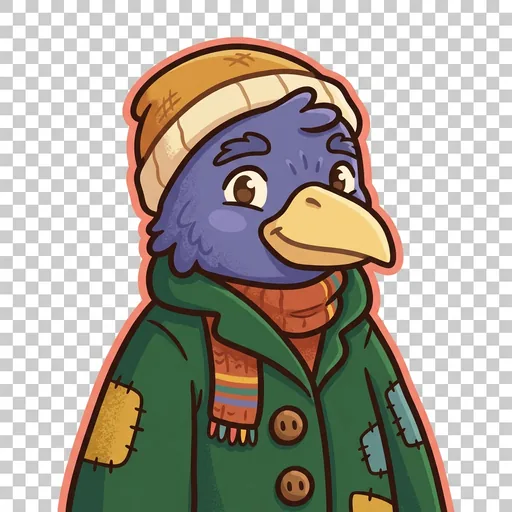
Turn
Bridge / off-the-path — crow-tween in a long traveling coat who walks the lyric into a new feeling and earns the return
-
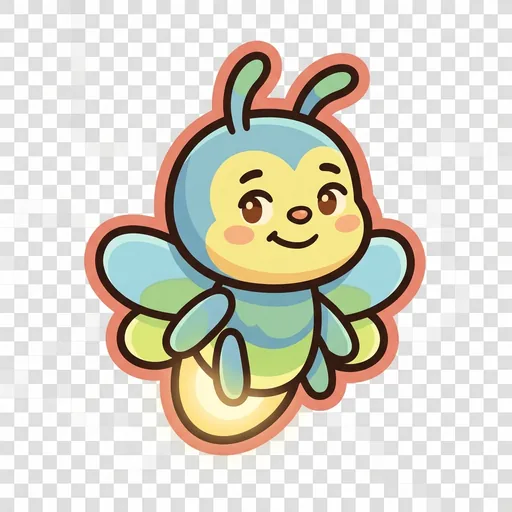
Spark
Image / sensory anchor — firefly-tween whose abdomen brightens ONLY on specific concrete word-choices (dim on abstractions)
-
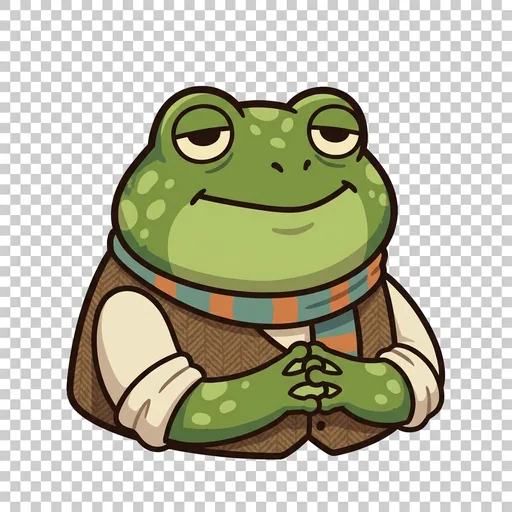
Groove
Rhythmic pocket — mellow toad who rides the beat just behind it; the same words can march or dance depending on where they sit against the groove
-
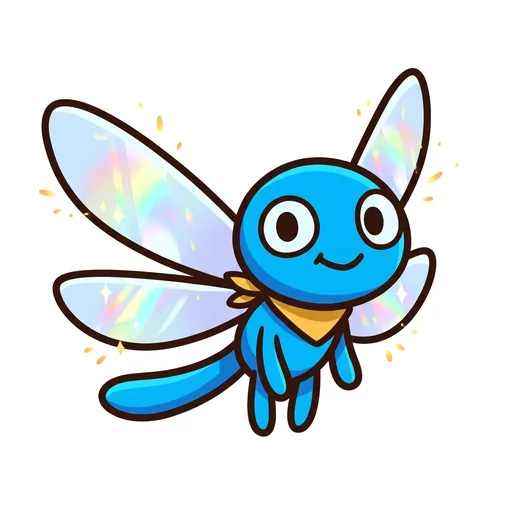
Zing
Wordplay — electric-blue dragonfly whose wings spark on a pun or double-meaning; clever-AND-true sparks, clever-for-its-own-sake falls flat
-
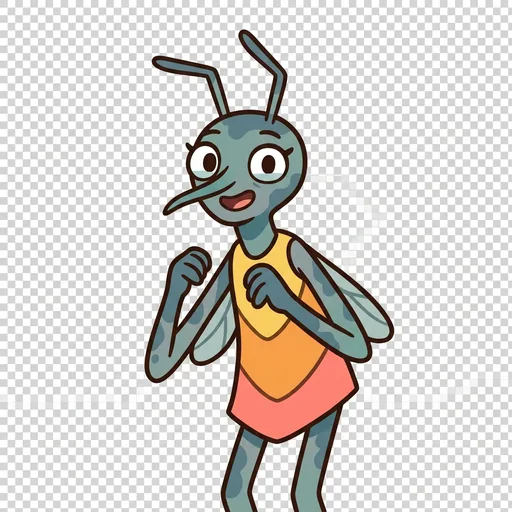
Lift
Pre-chorus build — long-legged crane-fly who rises onto her toes; the chorus only soars because she made you climb to it (the build is a promise the chorus keeps)
-

Belt
Singability — big-lunged frog with a wide-open throat; open vowels ring on long notes, tight consonant clusters strangle them (always sing it aloud)
-
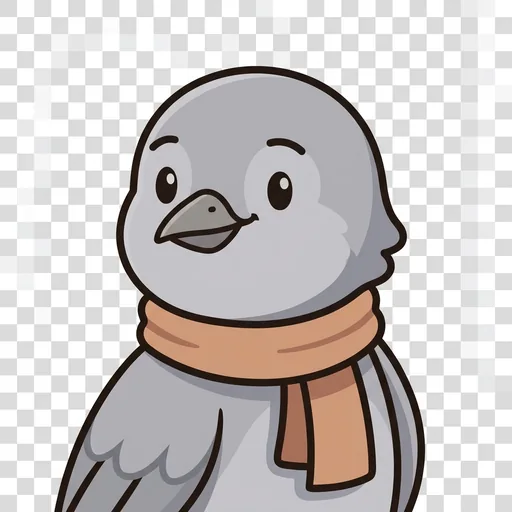
Croon
Sincerity — dove-grey nightingale who sings small true songs; all the other craft serves the one honest feeling underneath (one true feeling beats a hundred fake)