Spin
SPIN — *pulse + subdivision + accent + syncopation cohere = groove.*
Press play to listen along. The line being read lights up as you go.
Show full transcript
Loading transcript…
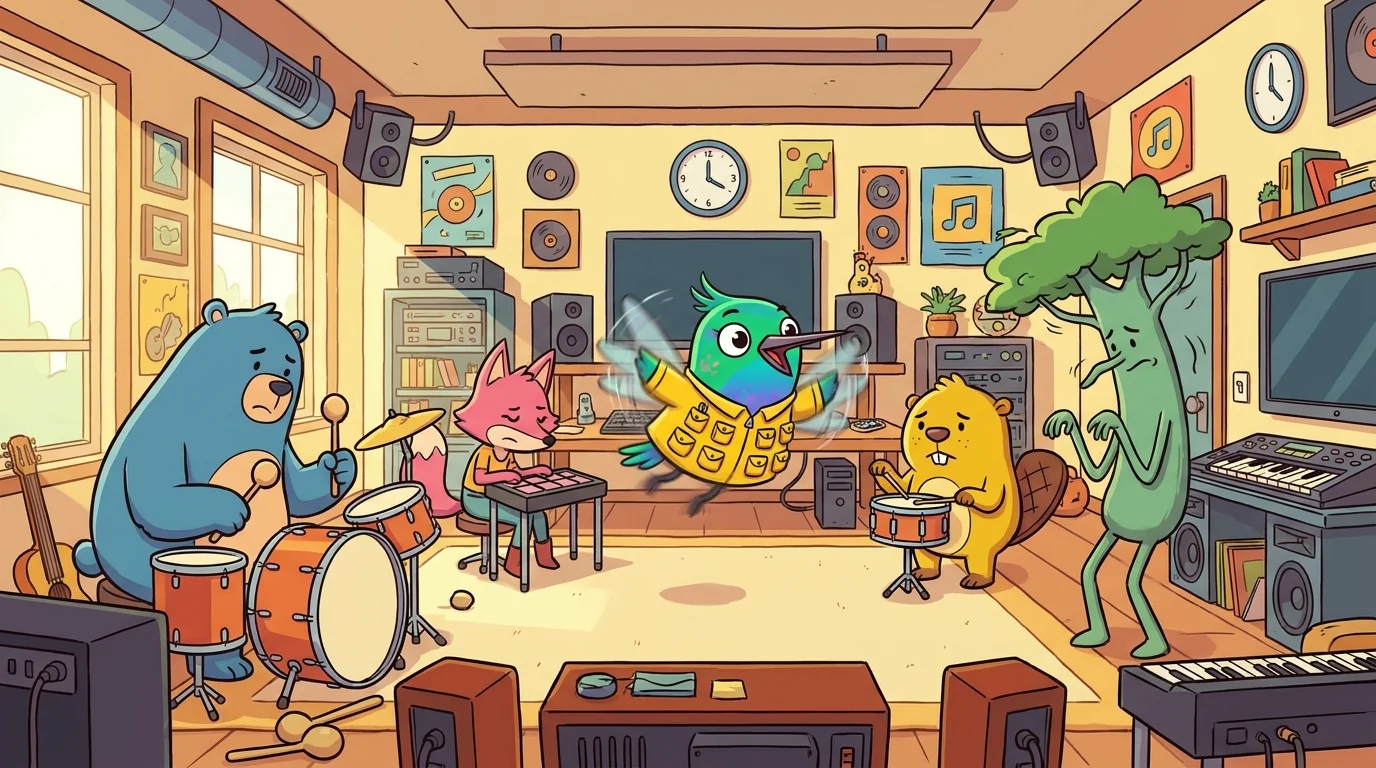
Spin didn't just walk; they seemed to vibrate into a room. Their movements were quick, a blur of motion, like a hummingbird darting from flower to flower. They wore a studio tunic, splattered with bright, abstract patterns, and their short, iridescent feathers, the color of warm cream, seemed to catch every bit of light, shimmering as they moved. In their hands, Spin always carried a small stack of *groove*-pattern cards and a sleek genre-signature tracker. The studio hummed with anticipation, a vibrant space filled with screens, pads, and instruments waiting to be brought to life.
Spin was small and whirling and alive, deeply attentive to how music felt. They loved to say, "A beat isn't just a beat. It's a whole system working together." Today, they were ready to show everyone what they meant.
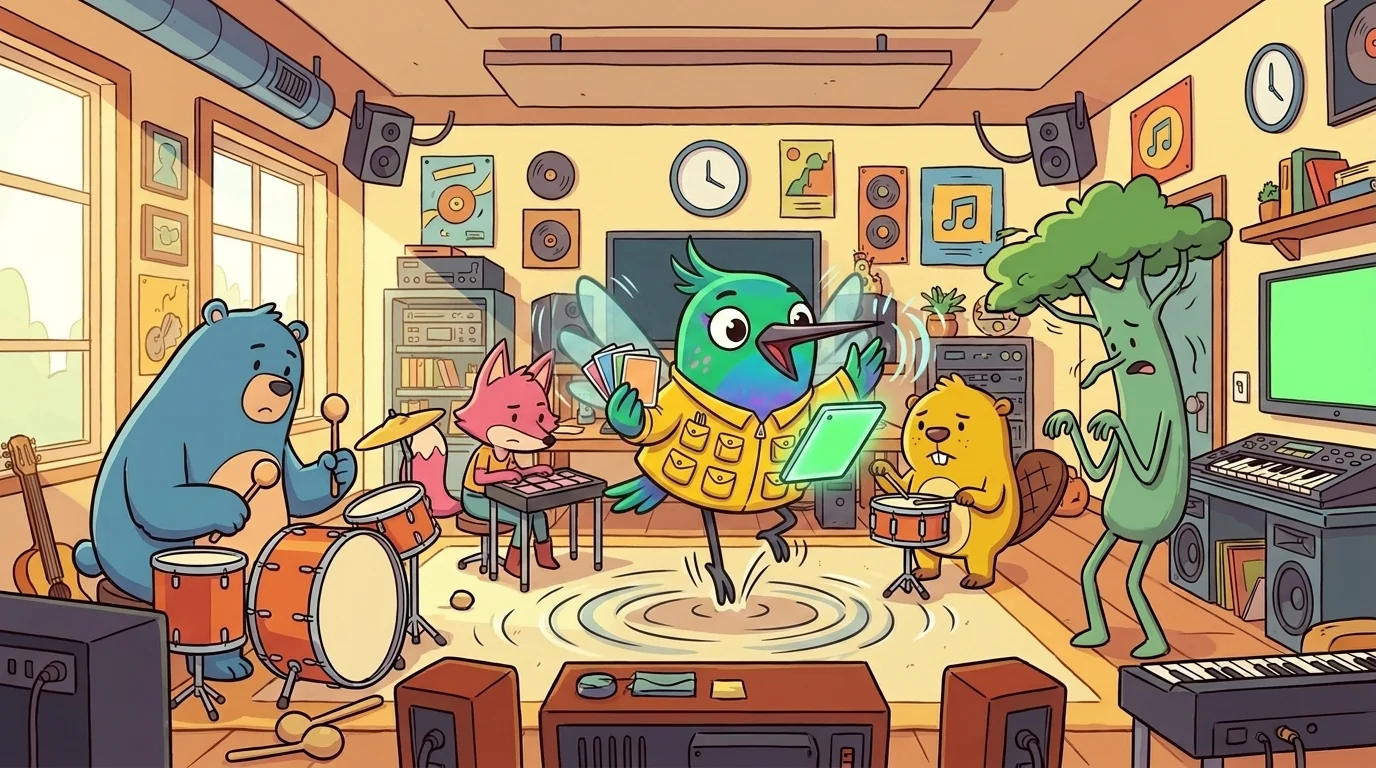
"We're talking about *groove," Spin announced, their voice buzzing with excitement. "It's the magic that makes you nod your head, tap your foot, or just feel the music deep in your bones." They held up a card, a simple diagram of interlocking lines. "Think of it like this: A groove is when pulse and subdivision and accent and syncopation all cohere*." Spin paused, letting the words hang in the air. "It’s when they all lock in, creating something bigger than themselves."
Spin started a simple drum loop on their console. Thump-thump-thump-thump. "That's the *pulse*," they explained, tapping their foot steadily. "The steady heartbeat of the music. It’s what you feel in your chest, that constant, underlying throb."
Then, Spin layered in a faster rhythm. Tss-ka-tss-ka. "Now, listen to how that pulse gets divided," they said. "That’s *subdivision*. It’s how many smaller beats fit into each main beat. Like cutting a pizza into slices, or how many steps you take between each big stride."
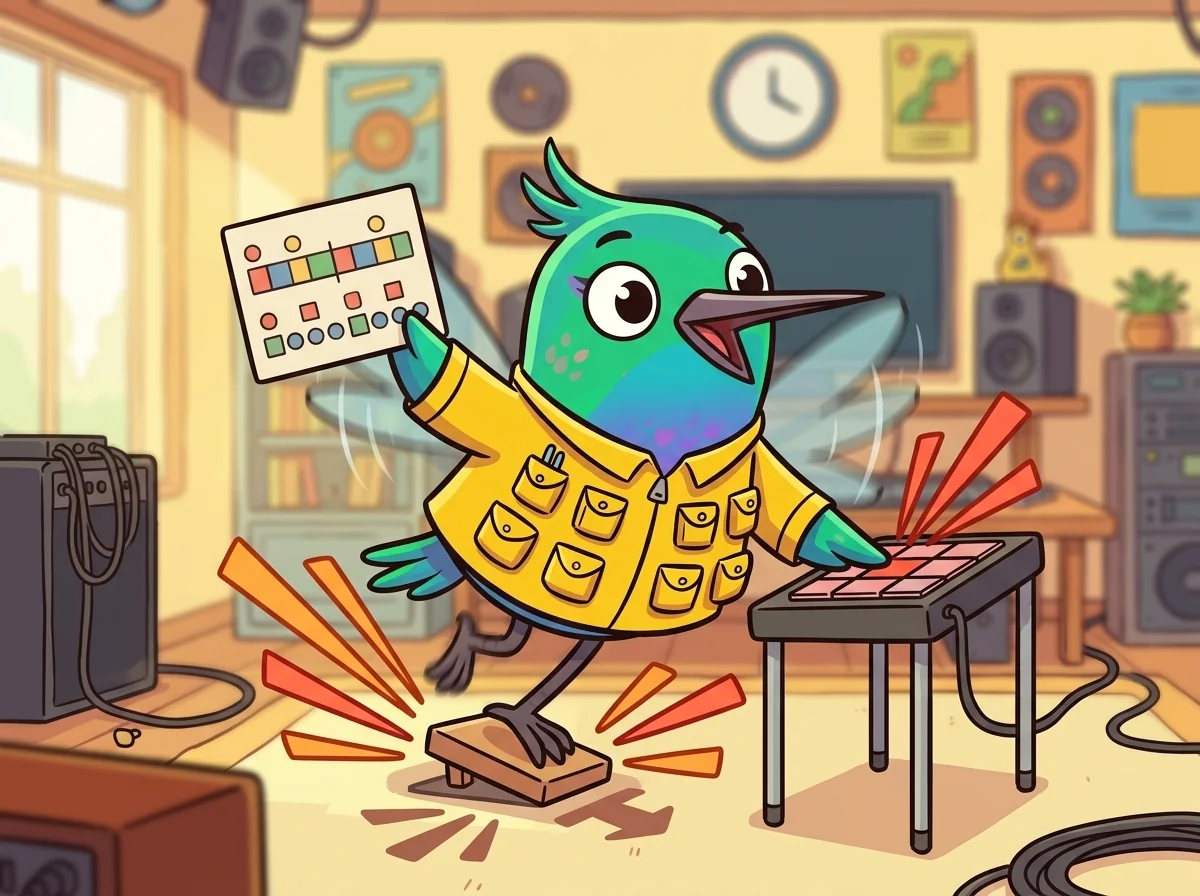
Next came the *accent. Spin hit a button, and suddenly, one of the drum hits stood out, louder and sharper. BAM-thump-thump-thump.* "See how one beat gets a little extra punch?" Spin asked. "That's the accent. It gives the music its push and pull, telling your body where to lean, where to put emphasis."
Finally, Spin added *syncopation. The rhythm shifted, placing some sounds just off* the expected beat. It felt a little surprising, a little playful, like a mischievous skip. "This is syncopation," Spin grinned. "It’s when the rhythm plays hide-and-seek with your expectations. It makes the music dance, instead of just marching straight ahead."
Spin let all four elements play together. The simple pulse, the quick subdivisions, the punchy accents, and the playful syncopation. Suddenly, the sounds weren't just separate parts anymore. They clicked. They formed a living, breathing rhythm that made the air itself seem to sway. Spin started to bob their head, a small, involuntary movement. Others in the room began to tap their feet, or subtly shift their weight. It was impossible to stay completely still. That feeling, that undeniable urge to move, was the groove. It wasn't something you could just think about. Your body just knew it. Spin lived for that connection, for the moment when a collection of sounds transformed into an irresistible force.
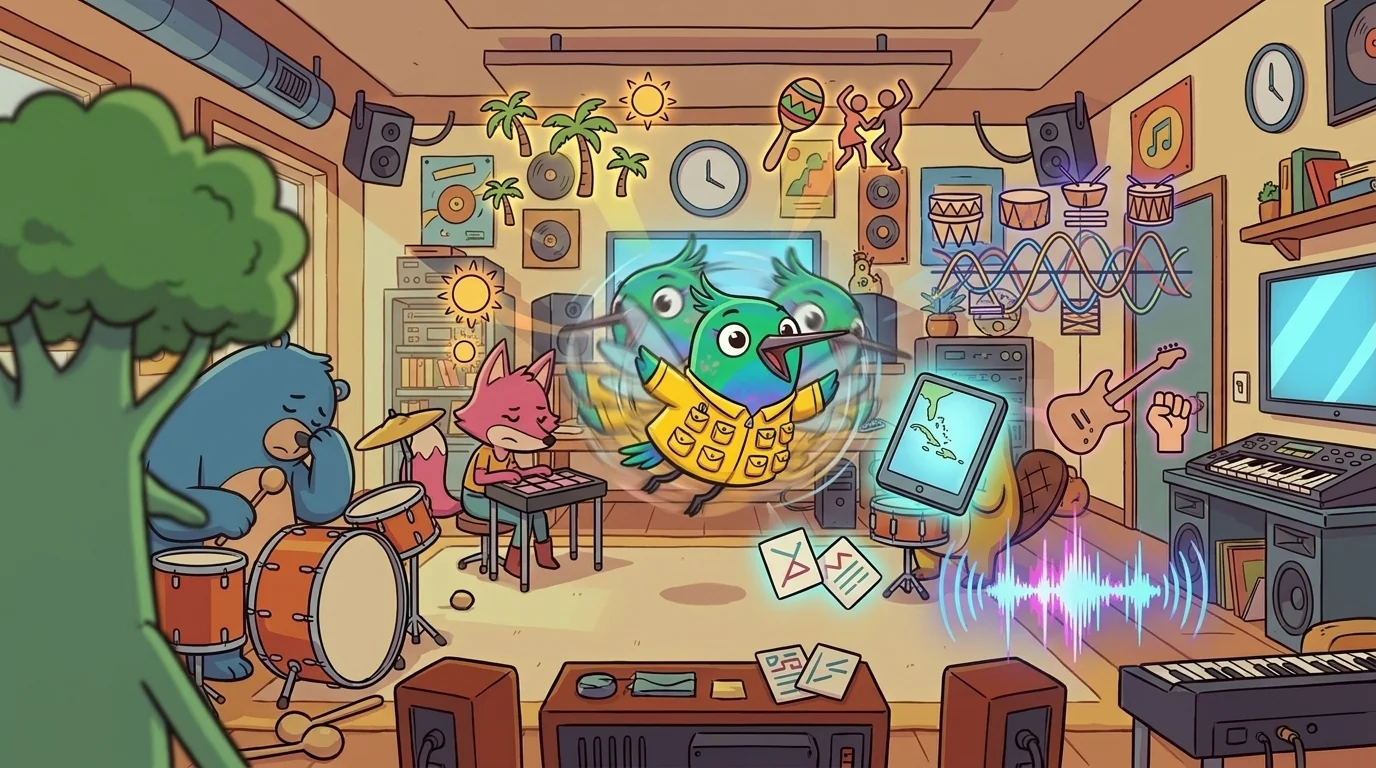
Spin pulled out their genre-signature tracker, a small device that glowed with different colored lights. "Every type of music has its own special groove," they explained. "It’s like a fingerprint for a whole genre. And these grooves often come from specific places and cultures."
They switched the drum loop. A new rhythm filled the room, bouncy and intricate. "This is a classic hip-hop drum pattern," Spin announced. "It’s got that strong backbeat and a swing that just makes you want to move."
Next, a slower, more relaxed beat, with a distinct emphasis on the third beat of the measure. "Hear that?" Spin asked, swaying gently. "That’s the one-drop rhythm, typical of reggae. It comes from Jamaica, and it’s all about feeling laid-back but still totally connected."
Then came a complex, interlocking rhythm, bright and energetic. "And this," Spin said, their fingers flying over the console, "is a salsa clave. It’s the rhythmic backbone of Latin music, full of history and passion, a pulse you can almost see."
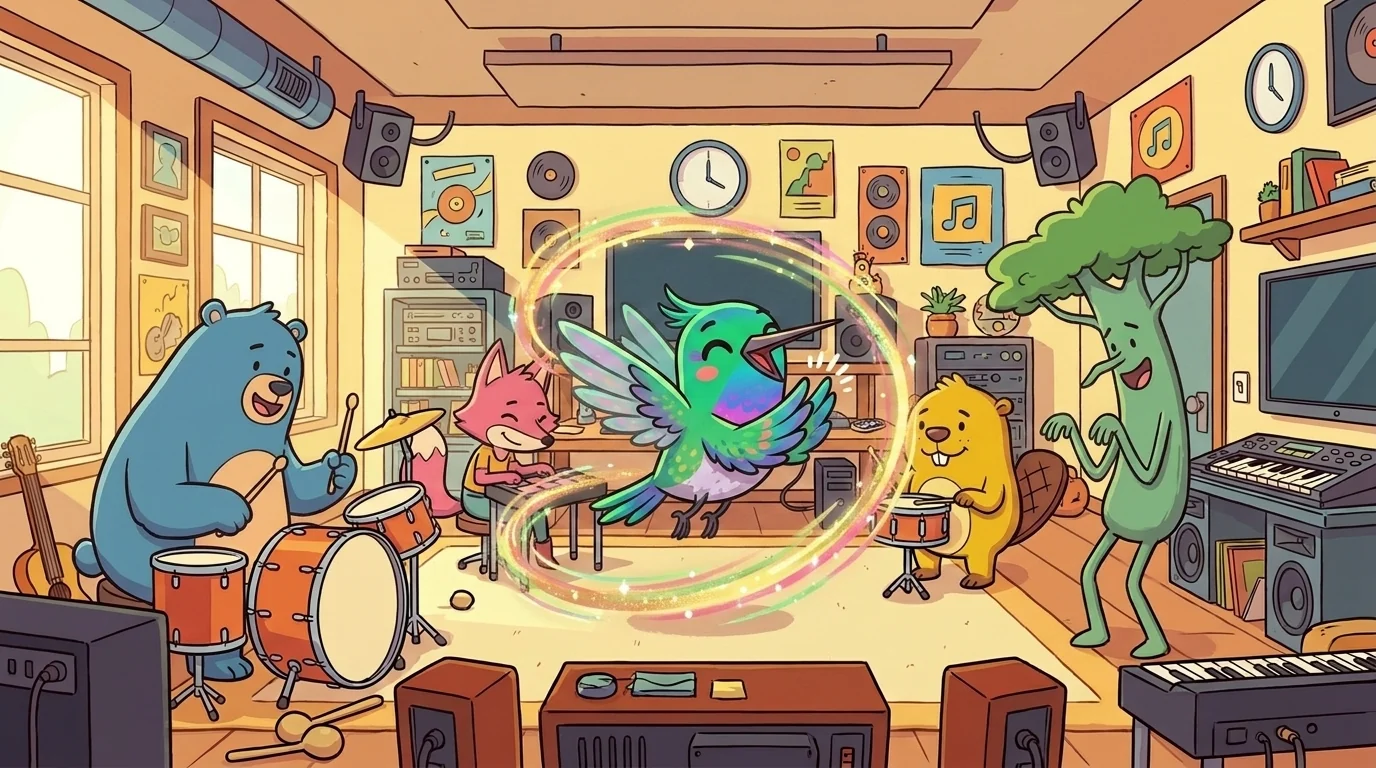
Spin played an Afro-beat polyrhythm, layers of drums weaving in and out, creating a dense, hypnotic soundscape. "This is amazing, right?" Spin murmured, lost in the sound. "Afro-beat grooves are incredibly rich, often with multiple rhythms happening at once. They’re a huge part of West African musical traditions."
Finally, a driving, steady beat, perfect for head-banging. "And of course, the rock 4-on-the-floor," Spin grinned. "Simple, powerful, and it gets the job done. You hear this in so many rock anthems, making thousands of people jump at once."
Spin stopped the music, a quiet hum filling the silence. "Each of these grooves isn't just a random pattern," they said, looking around the room. "They belong to their traditions. We learn from them, we honor them, and we give credit where it's due. That’s how we keep the music alive and respectful." It wasn't just sound; it was a physical sensation, a current running through the room, connecting everyone to the beat.
Spin was the final piece in the BeatForge puzzle. Throb, Snap, Hammer, and Tilt had shown how to build rhythms, beat by beat. But Spin, with their deep understanding of *groove, showed how those individual parts could become something truly alive. They completed the rhythm toolkit, connecting it to the larger creative studio – HarmonyForge for harmonies, MotifLab for melodies, and SoundSphere for textures. Spin didn't just teach rhythm; they taught how rhythm felt*.
The BeatForge ensemble
Spin is part of BeatForge's distributed-narrative cast. Each character embodies a different curricular primitive; together they teach the full subject.
-

Throb
The steady pulse — the underlying clock every other rhythm hangs from
-
Snap
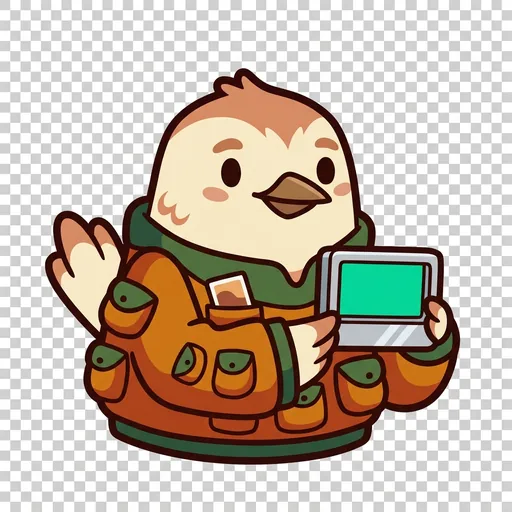
Subdivision — splitting a beat into equal smaller parts (eighths, sixteenths, triplets)
-
Hammer
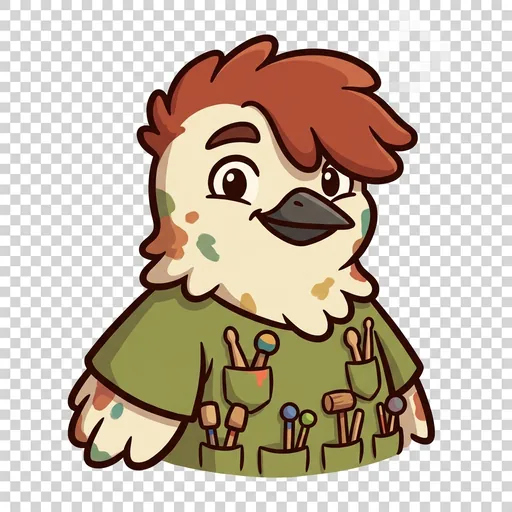
Accent — emphasis on specific beats (the downbeat, the backbeat, polyrhythmic emphasis)
-
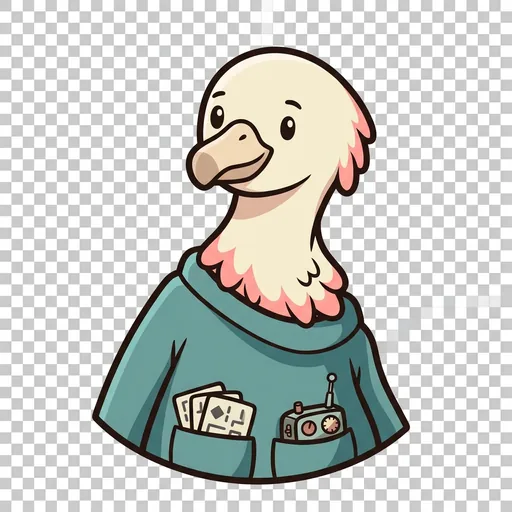
Tilt
Syncopation — placing weight off the expected beat to create pull and forward motion
-
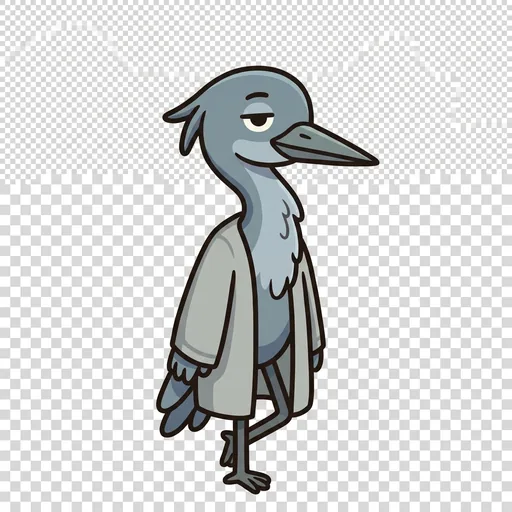
Lull
The rest — the beat you leave empty on purpose; silence counted as part of the music, so the next sound lands bigger
-
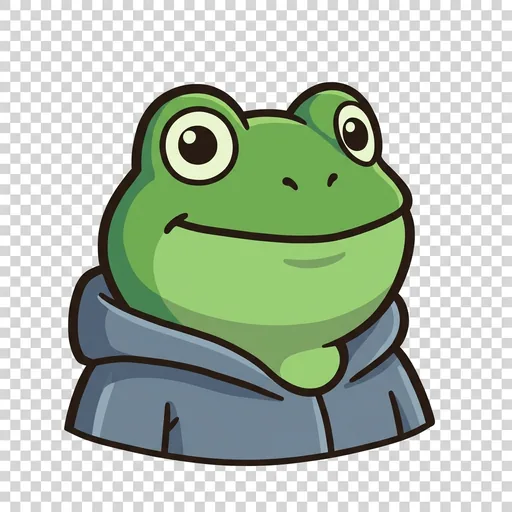
Crest
Dynamics — how loud or soft the music is, swelling louder and easing softer to give a song its waves
-
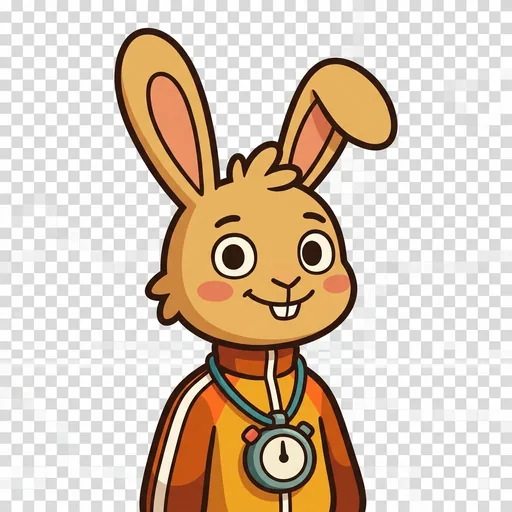
Rush
Tempo — how fast the pulse runs, and speeding up or slowing down to steer the whole mood of a song
-
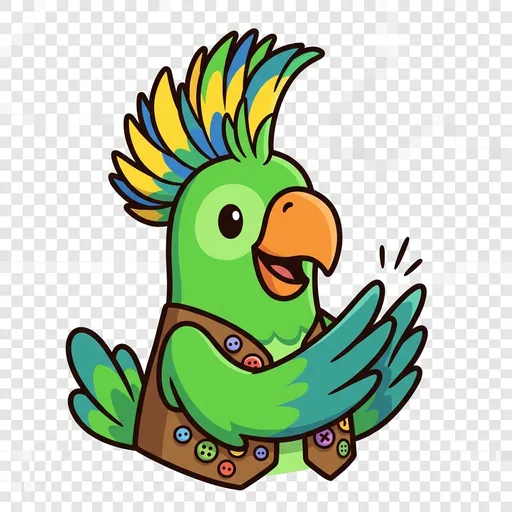
Volley
Call-and-response — one player calls a phrase and the others answer it back; music as a conversation traded around a circle
-
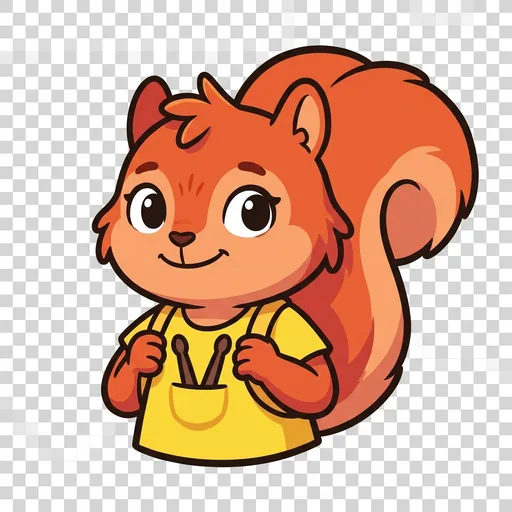
Flurry
The fill — the quick burst of drum notes that carries a song across the turn from one section into the next
-
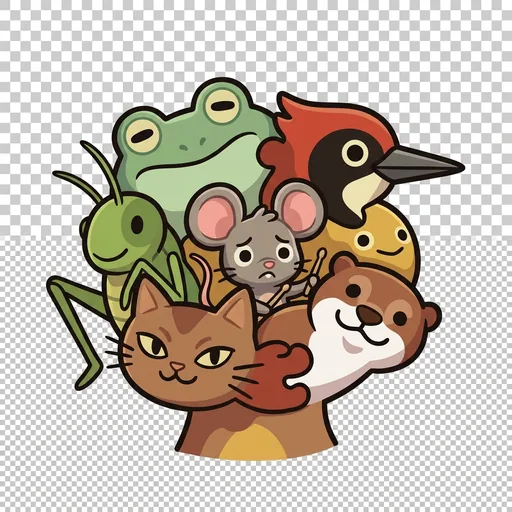
The Jam
The whole rhythm section playing together — how pulse, subdivision, accent, and syncopation lock into one groove that lifts everybody up at once