Snap
SNAP — *split the beat into equal smaller parts. eighths, sixteenths, triplets.*
Press play to listen along. The line being read lights up as you go.
Show full transcript
Loading transcript…
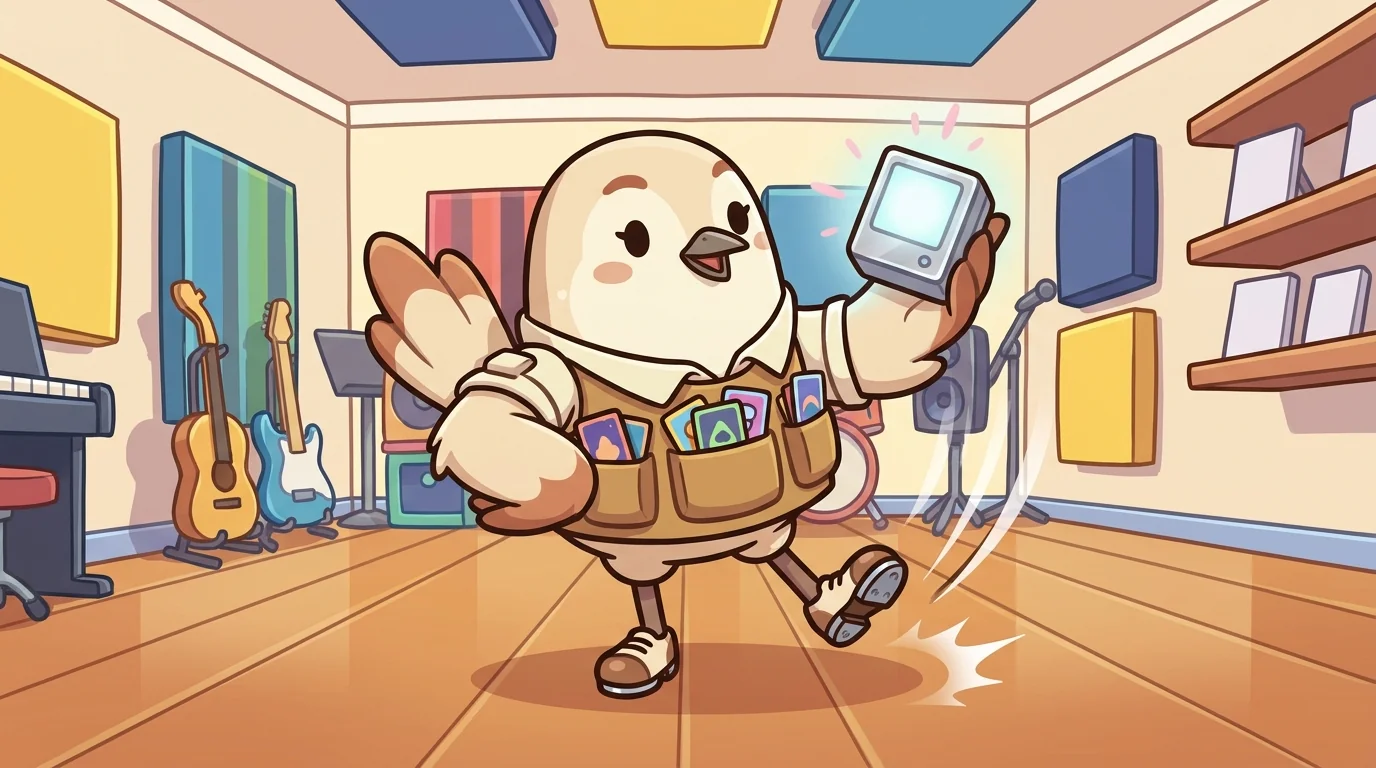
Snap was a flurry of motion, a quick-wren-tween in a studio tunic that looked like a chunky-cartoon explosion of color. She zipped around the room, her small, quick movements punctuated by sharp, precise taps of her foot. Her skin, the color of warm cream, seemed dusted with soft cinnamon feathers, especially around her bright, observant eyes. Right now, those eyes were fixed on the group of students, who were trying, and failing, to clap a tricky rhythm.
"Alright, everyone," Snap chirped, her voice as crisp and clear as a newly struck bell. "Let's try the 'Syncopated Shuffle' one more time."
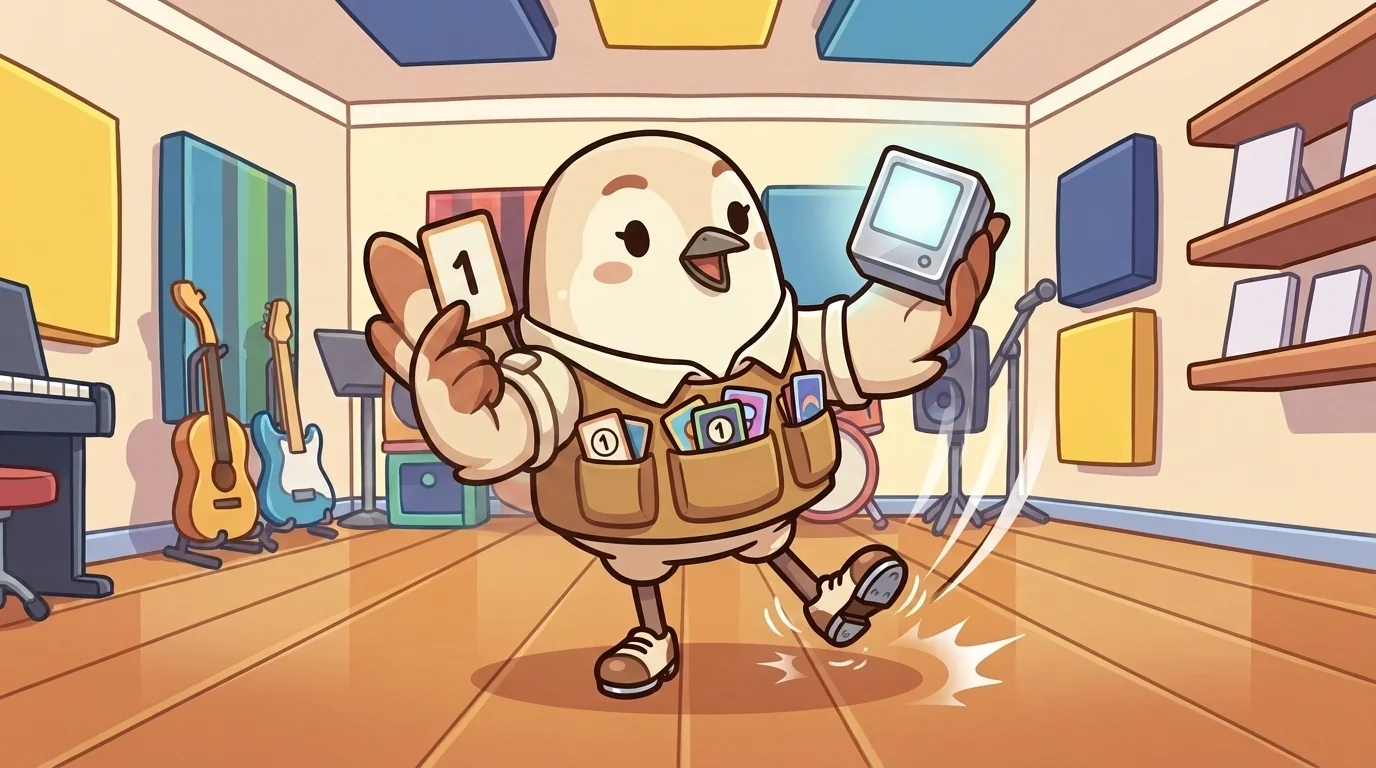
A collective sigh rippled through the twelve students. Throb, the class's resident timekeeper, pulsed a steady thump-thump-thump-thump from the corner of the room. It was a solid, unwavering beat, the kind that should make rhythm easy. Yet, the students' claps sounded like rain on a tin roof – scattered, hesitant, and never quite landing together.
Snap held up a small, laminated card. On it, a single, round beat was drawn, then clearly split into two smaller, equal parts. "A beat isn't just one big chunk," she explained, her fingers tracing the lines. "It's like a whole apple. You can slice it." She tapped her foot twice for every single thump from Throb. Tap-tap, tap-tap, tap-tap, tap-tap. "These are called *subdivisions*. They're the smaller, equal parts we find inside each beat."
She pointed to the card. "When we split a beat into two equal parts, we call them eighth notes. You count them like this: 'One-and, Two-and, Three-and, Four-and.'" Snap clapped her hands on each count and each "and," making a clean, even rhythm. Clap-clap, clap-clap, clap-clap, clap-clap. "Try it with me."
The students, a little more confident now, joined in. Their claps were still a bit wobbly, but the pattern was starting to emerge. Mia, a girl with bright green glasses, frowned. "So, the 'and' is just as important as the number?"
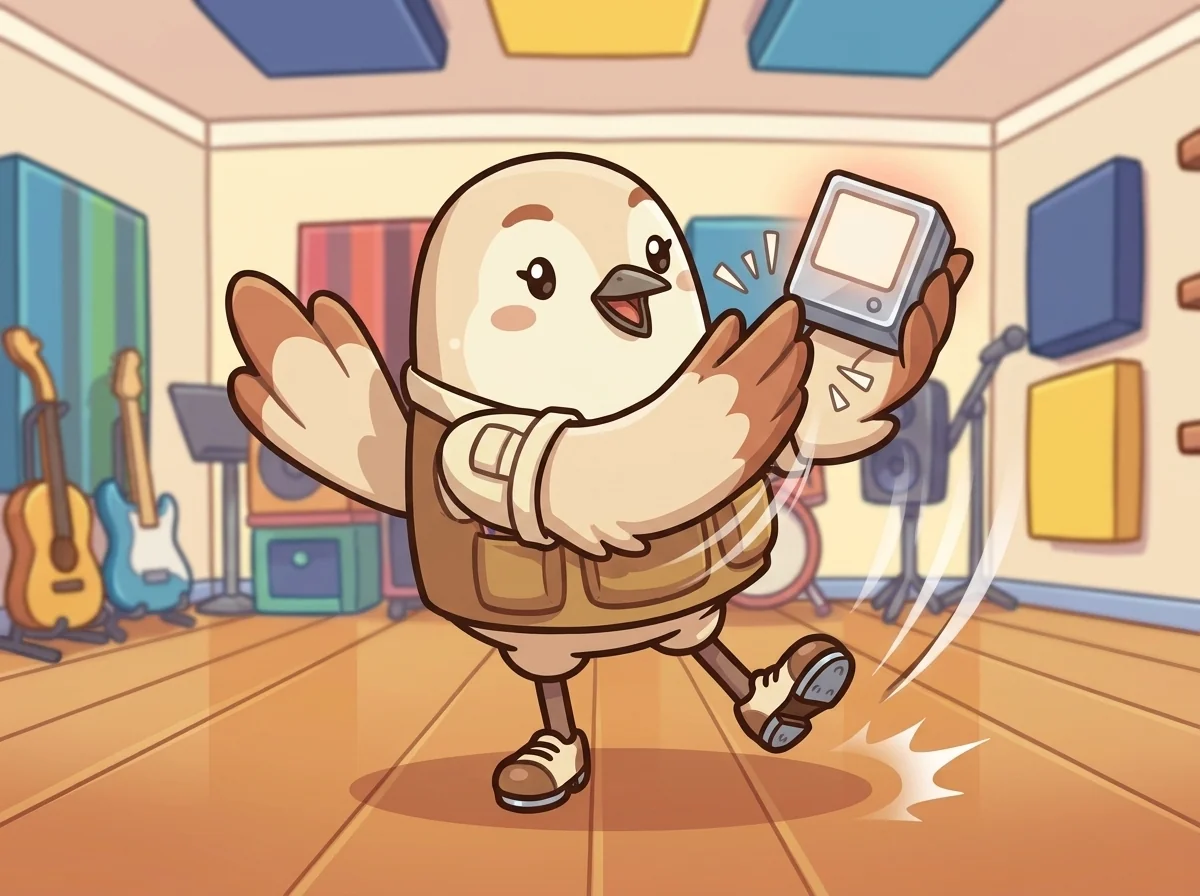
"Exactly!" Snap's eyes sparkled. "It's an equal partner. And feeling those equal parts is key to understanding the rhythm." She picked up a small, handheld device, her *division-tracker. It looked like a miniature metronome, but instead of just clicking the beat, it could click the subdivisions too. Snap set it to eighth notes. The tracker clicked click-click, click-click, click-click, click-click, perfectly in time with Throb's deeper thumps*.
"Now, what if we wanted even smaller pieces?" Snap asked, pulling out another card. This one showed the single beat split into four tiny segments. "Like cutting that apple into four slices instead of two. These are sixteenth notes." She demonstrated, her foot tapping four times for each thump. Tap-tap-tap-tap, tap-tap-tap-tap. "We count these 'One-e-and-a, Two-e-and-a, Three-e-and-a, Four-e-and-a.'"
The room filled with a rapid-fire sequence of claps as Snap led them. It was much faster, a quick patter that made the "Syncopated Shuffle" seem even more intimidating. Leo, a boy who usually caught on quickly, shook his head. "That's a lot of little pieces."
"It is," Snap agreed, her voice gentle. "But each piece helps us build the whole picture. Think of it like building with tiny LEGO bricks instead of big blocks. You can make more detailed shapes."
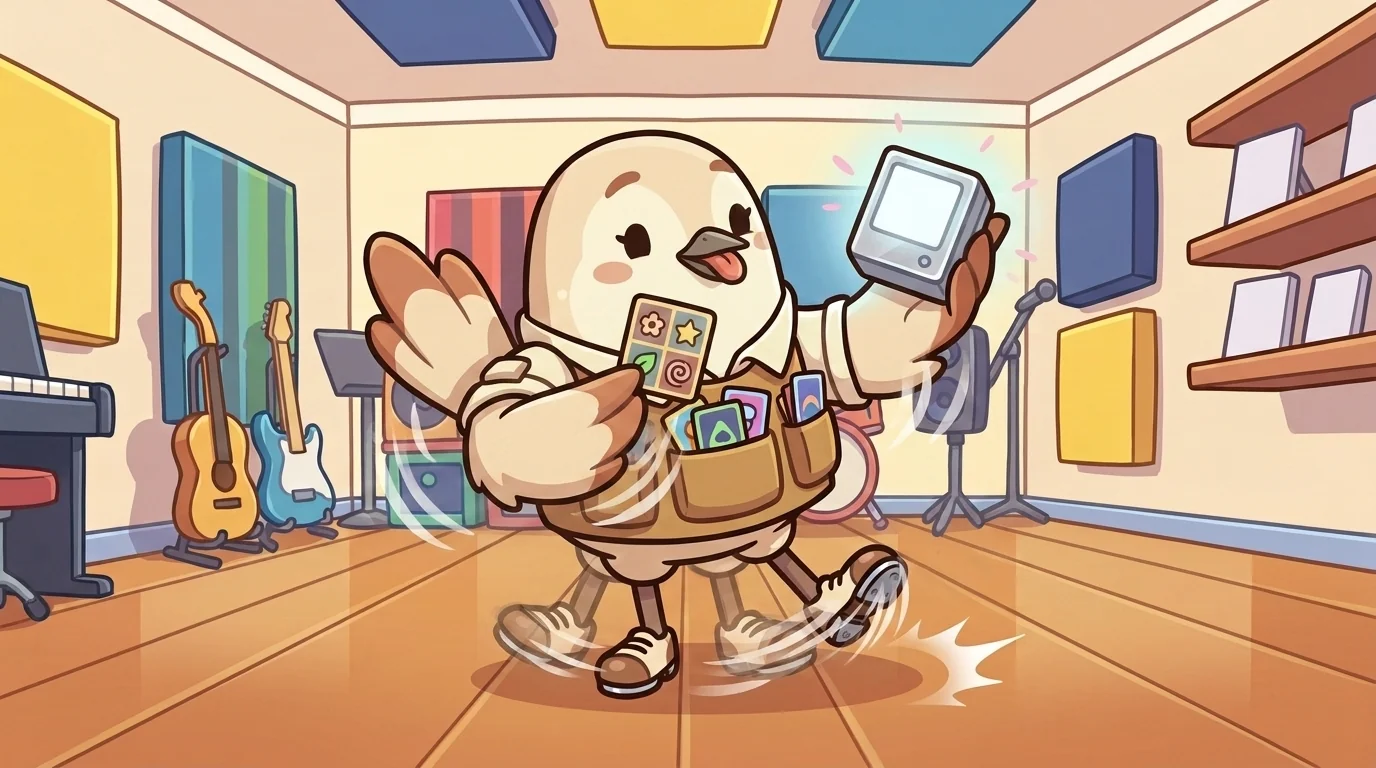
She then introduced a third type of subdivision, holding up a card with three equal parts inside each beat. "Sometimes, we split the beat into three equal parts. These are called triplets." Snap demonstrated, her foot tapping trip-uh-let, trip-uh-let, trip-uh-let, trip-uh-let. "Counting them out loud helps us feel that specific rhythm, that 'triple' feel, which is different from the 'duple' feel of eighths and sixteenths."
The students tried the triplets. It felt different, a little bouncy, less rigid than the duple patterns. "It's like a different kind of bounce," Mia observed, her green glasses slipping down her nose.
"Precisely!" Snap beamed. "Different subdivision patterns create different rhythmic feels. Some music feels straight, like a marching band. Others feel swung, like jazz, because of how those subdivisions are used."
Snap then returned to the "Syncopated Shuffle." "The problem with this rhythm," she explained, "is that some of the claps land between the main beats. If you only think about the big thumps, you'll get lost. But if you think about the smaller parts inside each beat – the eighth notes, the sixteenth notes – suddenly, you know exactly where to put your hands."
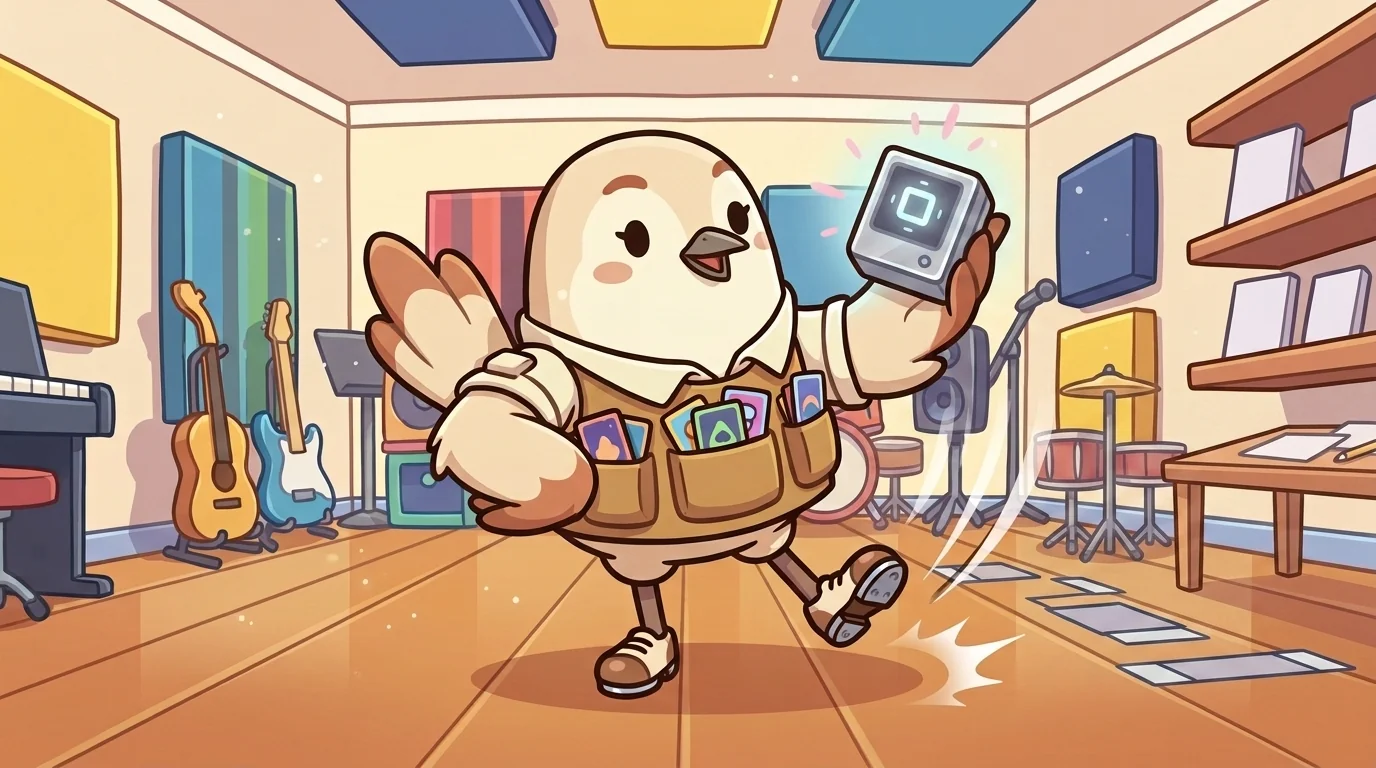
She set her division-tracker to sixteenth notes, a constant, buzzing stream of click-e-and-a, click-e-and-a. "Now, listen to the shuffle again, but this time, hear how it fits into these tiny clicks." She clapped the rhythm slowly, deliberately, her hands landing perfectly on some clicks, skipping others. Each clap was precise, informed by the invisible grid of sixteenth notes.
Slowly, hesitantly, the students began to clap along. They weren't just guessing anymore. They were listening for the specific e, and, or a where their hands needed to land. The room filled with a new sound, not perfect yet, but much more organized. The scattered rain was becoming a steady drizzle.
Snap walked among them, her small, quick figure a beacon of focused energy. "That's it," she encouraged. "Keep counting those subdivisions in your head, or out loud if you need to. 'One-e-and-a, Two-e-and-a...' It's like having a map for every single moment in the music."
The students practiced, their faces scrunched in concentration. Some still struggled, but others, like Leo, began to find their groove. He started to sway, his claps falling into place with a new confidence. The shuffle, once a jumbled mess, was beginning to make sense. It was all about splitting the beat, finding the smaller pulses, and knowing exactly where each tiny piece belonged.
The BeatForge ensemble
Snap is part of BeatForge's distributed-narrative cast. Each character embodies a different curricular primitive; together they teach the full subject.
-

Throb
The steady pulse — the underlying clock every other rhythm hangs from
-
Hammer
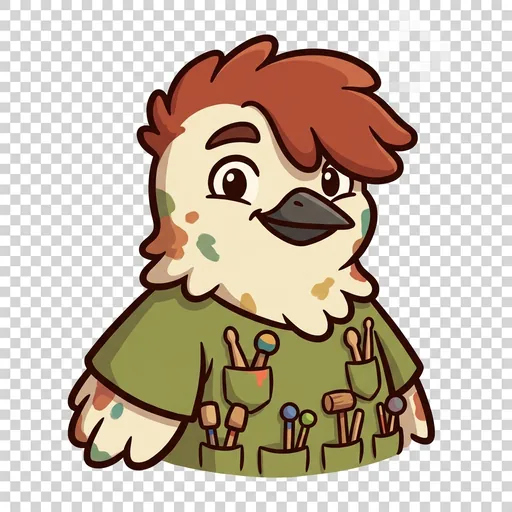
Accent — emphasis on specific beats (the downbeat, the backbeat, polyrhythmic emphasis)
-
Tilt
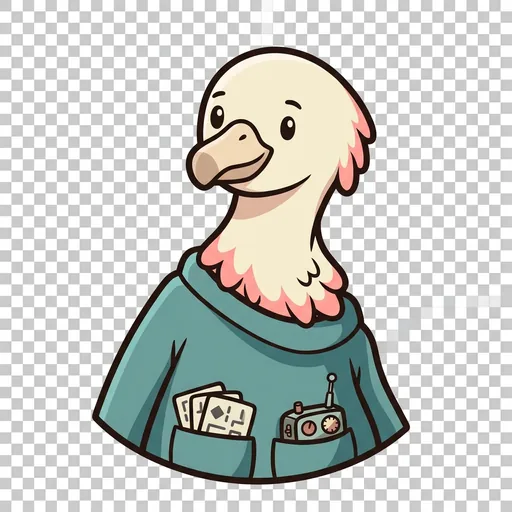
Syncopation — placing weight off the expected beat to create pull and forward motion
-
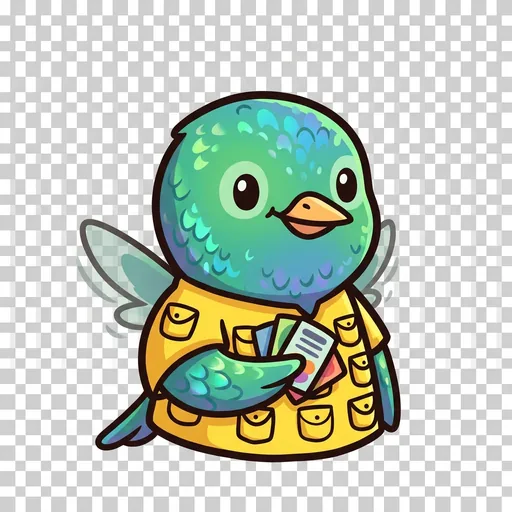
Spin
Groove — the looping pattern that emerges when pulse + subdivision + accent + syncopation cohere; the thing that makes a beat feel like a particular genre
-
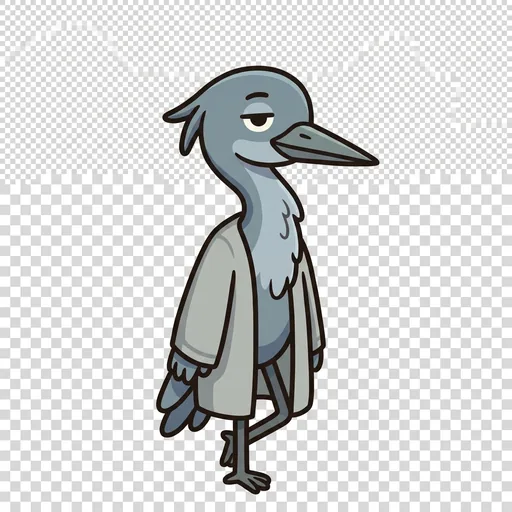
Lull
The rest — the beat you leave empty on purpose; silence counted as part of the music, so the next sound lands bigger
-
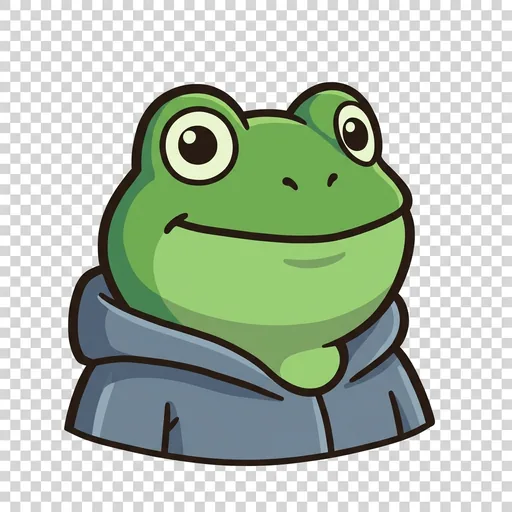
Crest
Dynamics — how loud or soft the music is, swelling louder and easing softer to give a song its waves
-
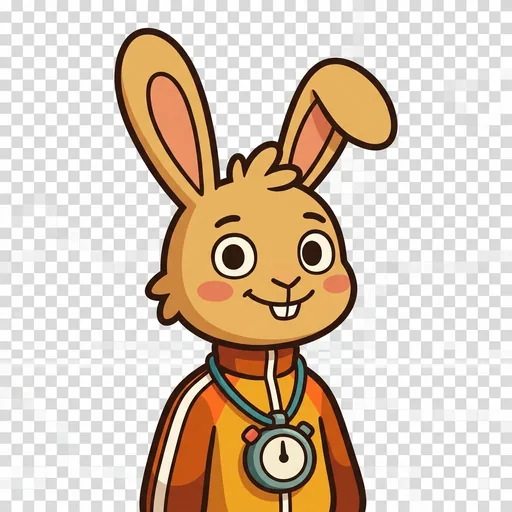
Rush
Tempo — how fast the pulse runs, and speeding up or slowing down to steer the whole mood of a song
-

Volley
Call-and-response — one player calls a phrase and the others answer it back; music as a conversation traded around a circle
-
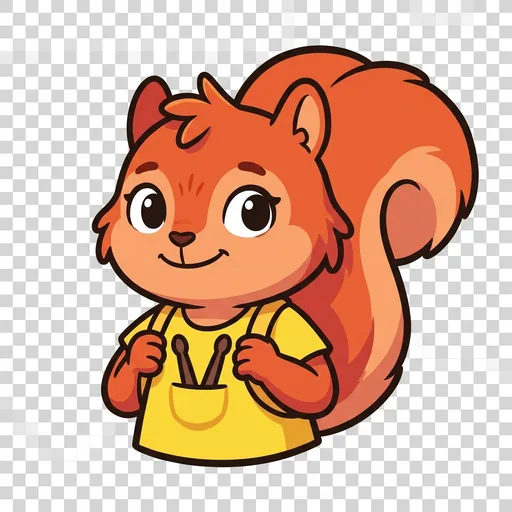
Flurry
The fill — the quick burst of drum notes that carries a song across the turn from one section into the next
-
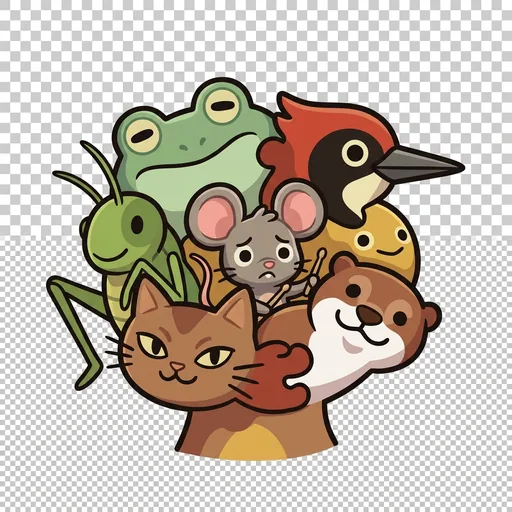
The Jam
The whole rhythm section playing together — how pulse, subdivision, accent, and syncopation lock into one groove that lifts everybody up at once